




Health & Education
We all want the best care possible for our horses. The Heath & Education section covers both Learning Institutions, Organizations as well as many sources for equine assistance including Veterinarians and Farriers.
For those who want a to formally study horses, the Education section includes College Riding, Equine Studies, and Veterinary Schools. Learn about the wide variety of horses in the Horse Breeds section. Supplements and Treatments Therapy are also included in the section.
Everyone can learn from Fine Art and there are some specialty Museums that might surprise you.
Horses as a therapy partner enrich the lives of the disabled. These facilities are listed in our Therapeutic Riding section. To help children and young adults build confidence and grow emotionally, please see the resources available on the Youth Outreach page.
Looking for a place to keep your horse? You can find it in the Horse Boarding section. Traveling? Find a Shipping company or Horse Sitting service if your horse is staying home!
Want to stay up to date with the latest training clinics or professional conferences? Take a look at our Calendar of Events for Health & Education for the dates and locations of upcoming events.
Do we need to add more? Please use the useful feedback link and let us know!
by Carolyn Charles
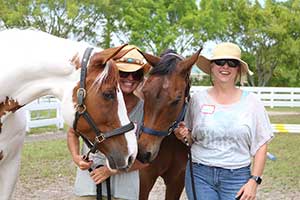
What makes Equine Assisted Skill Development so special? The horse of course!As horse people, we all know that these majestic creatures are some of the best teachers in the world. We have all experienced the moments, the changes and happiness they have brought to our lives. But why is it that horses are such incredible teachers and help us learn and grow?
1. Horses feel everything!
From being able to hear our hearts beat, to feeling a fly land on them, the sensitivity of the horse is essential to why they are able to teach. This is what allows horses to discern between calm and nervous energy and lets them know how their human team members are feeling. Think about what happens when you cut your finger - sometimes you can feel your heart beat in it. Your body is sending extra help to heal the situation.
Horses are so sensitive that they can sense all of the physiological changes in our bodies. Our heart rate increasing, becoming agitated, frustrated, or when we are living in the moment and being truly authentic. That’s why when horses respond, the participant can make a change in the moment and see the immediate outcome.
Read more: Working with Horses to Develop Skills - Five Reasons Why It Works!
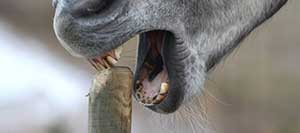
Stereotypic behaviors such as weaving, cribbing, and stall-walking occur commonly in high-performance horses as well as many companion horses. In addition to being unsightly, potentially damaging to the barn, and raising welfare concerns, stereotypic behaviors also result in important health issues such as dental disorders, temporohyoid joint damage, poor performance, weight loss, and colic.
“Cribbing is the most troublesome of these compulsive behaviors. It involves grasping a fixed object with the incisor teeth and aspirating air with an audible grunt,” explained Kathleen Crandell, Ph.D., a nutritionist for Kentucky Equine Research.
The exact reason horses crib remains unknown. Some suggest that cribbing horses have unmet dietary or management needs. Others believe that altered biological functions are the culprits, such as decreased antioxidant levels or increased oxidative stress.
Read more: Possible Link Between Selenium and Cribbing in Horses
- Lighting For Breeding and Performance
- Rider Biomechanics: Using Sensors to See How the Rider Influences the Horse (7:24)
- The Art of Seeing Lameness
- Wild Horses Can Re-balance The Ecosystem: Good For Outdoor Sports; Reduces Wildfires & Toxic Smoke
- Getting to the Point: Equine Acupuncture
- Equine Connection: International Horse Certification Course with Business Training
- Care of the Mare and Foal at Weaning
- Dental Basics: The Who, What, When, How and Why of Floating Teeth
- How Myofascial Bodywork Helps Horses
- The Effects of Routine Morning Exercise on Muscle Response
- Is the Great British Shire Horse About to Go Extinct?
- Red Light at Night Facilitates Recovery and Rest
- Breathing Easy: A Key to Equine Health and Performance
- Alfalfa and the Insulin Resistant Horse - The True Story
- Burning And Learning?
- The Canadian Horse: Discover a Versatile Breed Rich in History
- Core Equine Disease Risks Increase Amid Mosquito Season
- Equilume Stable Light Can Influence Body Composition and Biological Rhythms in Horses-in-training
- Inflammation: It’s Not Just In Joints
- Horsepower: How Digital Technology is Transforming the Equine World