




Health & Education
We all want the best care possible for our horses. The Heath & Education section covers both Learning Institutions, Organizations as well as many sources for equine assistance including Veterinarians and Farriers.
For those who want a to formally study horses, the Education section includes College Riding, Equine Studies, and Veterinary Schools. Learn about the wide variety of horses in the Horse Breeds section. Supplements and Treatments Therapy are also included in the section.
Everyone can learn from Fine Art and there are some specialty Museums that might surprise you.
Horses as a therapy partner enrich the lives of the disabled. These facilities are listed in our Therapeutic Riding section. To help children and young adults build confidence and grow emotionally, please see the resources available on the Youth Outreach page.
Looking for a place to keep your horse? You can find it in the Horse Boarding section. Traveling? Find a Shipping company or Horse Sitting service if your horse is staying home!
Want to stay up to date with the latest training clinics or professional conferences? Take a look at our Calendar of Events for Health & Education for the dates and locations of upcoming events.
Do we need to add more? Please use the useful feedback link and let us know!
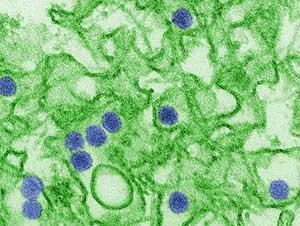
Horses can be infected with the Zika and Dengue viruses, researchers who carried out a study in the South Pacific report. A significant proportion of horses in New Caledonia and French Polynesia tested in the research were found to have mounted an immune response against the viruses.
The immune response to the Zika virus was found in 4.3% of the horses tested in New Caledonia and 15.4% of those tested in French Polynesia. Blood from 163 horses in New Caledonia was tested. Seven of those had mounted an immune response to Zika, and 130 had been tested from French Polynesia, 20 of which had delivered a positive result.
Read more: Horses can be affected by Zika virus, study shows
by Janice Byer
For many people, talking about mental illness can be uncomfortable and a stress ensuing experience. A lot of people don’t want to admit if they have been dealing with something or they don’t know how to help someone in their life who has been having difficulty.
Unfortunately, our Equestrian community is no different. When a rider has a physical problem, it is often visible to the world. Broken legs, sprained shoulders are discussed as people share their experiences and how they deal with the injury. Even concussions, which aren’t visible, are talked about freely.
However, mental illness is invisible. For many, it’s a case of, If you can’t see it then how can anything be wrong? For others it’s, No one can see it so they won’t believe me if I talk about it. We need to remove these statements from everyone’s minds and open up the conversation about mental illness. In doing so, we will not only help those who are suffering in silence, but also to stop the stigma that mental health shouldn’t be talked about.
Read more: You Are Not Alone: Mental Health in Our Equestrian Community
- Are Equine Infectious Disease Outbreaks Preventable? Are We Doing Enough?
- Horse Power: Equine Therapy for ADHD
- Colorado Women in Ranching: A spirit of nurturing, sustainability is alive at San Juan Ranch
- Do You Dare to Go Bare?
- Horse Health: Microchipping a Superior Form of Identification
- New Coat Colour in the Icelandic Horse
- Foal Q & A with Rood & Riddle’s Dr. Laurie Metcalfe
- The Equilume Light Masks Helps Pregnant Mares Foal on Time with Optimum Birth Weights
- Working with Horses to Develop Skills - Five Reasons Why It Works!
- Possible Link Between Selenium and Cribbing in Horses
- Lighting For Breeding and Performance
- Rider Biomechanics: Using Sensors to See How the Rider Influences the Horse (7:24)
- The Art of Seeing Lameness
- Wild Horses Can Re-balance The Ecosystem: Good For Outdoor Sports; Reduces Wildfires & Toxic Smoke
- Getting to the Point: Equine Acupuncture
- Equine Connection: International Horse Certification Course with Business Training
- Care of the Mare and Foal at Weaning
- Dental Basics: The Who, What, When, How and Why of Floating Teeth
- How Myofascial Bodywork Helps Horses
- The Effects of Routine Morning Exercise on Muscle Response