



Health & Education
We all want the best care possible for our horses. The Heath & Education section covers both Learning Institutions, Organizations as well as many sources for equine assistance including Veterinarians and Farriers.
For those who want a to formally study horses, the Education section includes College Riding, Equine Studies, and Veterinary Schools. Learn about the wide variety of horses in the Horse Breeds section. Supplements and Treatments Therapy are also included in the section.
Everyone can learn from Fine Art and there are some specialty Museums that might surprise you.
Horses as a therapy partner enrich the lives of the disabled. These facilities are listed in our Therapeutic Riding section. To help children and young adults build confidence and grow emotionally, please see the resources available on the Youth Outreach page.
Looking for a place to keep your horse? You can find it in the Horse Boarding section. Traveling? Find a Shipping company or Horse Sitting service if your horse is staying home!
Want to stay up to date with the latest training clinics or professional conferences? Take a look at our Calendar of Events for Health & Education for the dates and locations of upcoming events.
Do we need to add more? Please use the useful feedback link and let us know!
by Sarah Nash
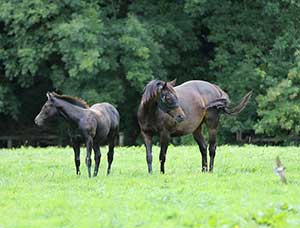
For seasonal breeders such as the horse, the lengthening days of spring have long been associated with increased fertility, enhanced performance, improved coat condition and better health and well-being.
The duration of light exposure and the quality of the light administered are key to regulating these important physiological changes. Understanding this regulation is a fundamental factor to consider in our management of horses for breeding and performance.
The Duration of Light
The first key understanding is the duration of light exposure. Horses are long-day breeders. Their natural reproductive period coincides with the light-filled days of summer. A normal winter’s day consists of 16 hours of dark and 8 hours of light (Short Day).
A summer’s day consists of approximately 16 hours of light and 8 hours of dark (Long Day). It is the rapid transition from Short Day to Long Day that can stimulate early reproductive activity and ovulation in mares. On average, it takes 75 days from initiation of Long Day light treatment to the first ovulation of the season.
We recommended that Long Day light therapy begins no later than July 1st (SH)/ December 1st (NH) to ensure that mares are ready for breeding in time for the official start of the breeding season.
Equitopia traveled to Holland to investigate how a rider's shifting weight in the saddle effects the gait of a horse. Equitation seat specialist Tessa Roos and equine motion analyst Bert Lam strapped Pegasus Gait analysis sensors on a horse and collected data in various positions. www.EquitopiaCenter.com
Read more: Rider Biomechanics: Using Sensors to See How the Rider Influences the Horse (7:24)
- The Art of Seeing Lameness
- Wild Horses Can Re-balance The Ecosystem: Good For Outdoor Sports; Reduces Wildfires & Toxic Smoke
- Getting to the Point: Equine Acupuncture
- Equine Connection: International Horse Certification Course with Business Training
- Care of the Mare and Foal at Weaning
- Dental Basics: The Who, What, When, How and Why of Floating Teeth
- How Myofascial Bodywork Helps Horses
- The Effects of Routine Morning Exercise on Muscle Response
- Is the Great British Shire Horse About to Go Extinct?
- Red Light at Night Facilitates Recovery and Rest
- Breathing Easy: A Key to Equine Health and Performance
- Alfalfa and the Insulin Resistant Horse - The True Story
- Burning And Learning?
- The Canadian Horse: Discover a Versatile Breed Rich in History
- Core Equine Disease Risks Increase Amid Mosquito Season
- Equilume Stable Light Can Influence Body Composition and Biological Rhythms in Horses-in-training
- Inflammation: It’s Not Just In Joints
- Horsepower: How Digital Technology is Transforming the Equine World
- Exercising and Training Horses in Hot Weather
- Choose Hemp Instead of Soy for Your Horse!