





Health & Education
We all want the best care possible for our horses. The Heath & Education section covers both Learning Institutions, Organizations as well as many sources for equine assistance including Veterinarians and Farriers.
For those who want a to formally study horses, the Education section includes College Riding, Equine Studies, and Veterinary Schools. Learn about the wide variety of horses in the Horse Breeds section. Supplements and Treatments Therapy are also included in the section.
Everyone can learn from Fine Art and there are some specialty Museums that might surprise you.
Horses as a therapy partner enrich the lives of the disabled. These facilities are listed in our Therapeutic Riding section. To help children and young adults build confidence and grow emotionally, please see the resources available on the Youth Outreach page.
Looking for a place to keep your horse? You can find it in the Horse Boarding section. Traveling? Find a Shipping company or Horse Sitting service if your horse is staying home!
Want to stay up to date with the latest training clinics or professional conferences? Take a look at our Calendar of Events for Health & Education for the dates and locations of upcoming events.
Do we need to add more? Please use the useful feedback link and let us know!

by Eleanor M. Kellon, VMD
Equines with uncontrolled Primary Pars Intermedia Dysfunction (PPID) are often more prone to high parasite burdens related to immunosuppression from the disease, so diligent deworming — and control of ACTH — is essential. The fecal egg count (FEC) has become the method of choice for determining when to deworm a horse but there are many shortcomings.
Most labs do simple flotations, which means manure is mixed with a concentrated sugar or salt solution then allowed to sit. The eggs will float up and attach to a microscope slide at the top of the container.
The first problem with FECs is they were designed to reduce contamination of the environment, not to make sure the individual is parasite free. Eggs passed in the feces is how parasites spread from horse to horse. However, only adults pass eggs so you know nothing about other life stages, or parasites not laying eggs, or eggs not mixed evenly into the manure.
Any of the following can be undetectable or easily missed:
- Immature or tissue forms of parasites
- Tapeworms
- Bots
- Pinworms
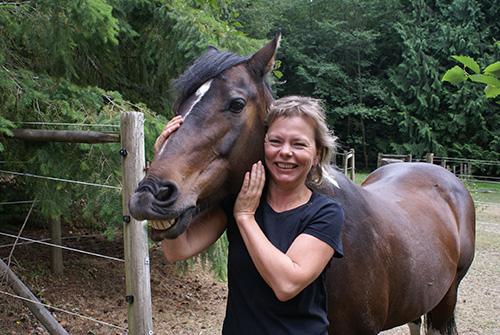
Carole Herder, President of Cavallo Horse & Rider, shares her thoughts.
Q: Carole, you often talk about leaning on your horses during times of stress. The constant news about COVID has me worried and downright fatigued. What’s the best way that you have found for horses to help during this ongoing pandemic?
A: Horses provide a quiet connection to nature and help us all connect and quiet our minds. We live in the country and enjoy a rural setting. We all have our animals to keep us from feeling too much isolation.
They are often the best companions anyway. During this time of pandemic, people are out riding their horses, and they are calling us for advice about how to keep their horses moving and feeling great.
Pandemic Panic
Unfortunately, not everyone is doing as well. For example, my neighbor is negatively affected by this pandemic. By the news, the fear, and the anxiety around COVID. She's not alone. Constantly judging the correct distancing and checking to see whether people are wearing masks has many people upset.
These folks are placing their frame-of-reference on the external forces around them and forgetting to nurture their own internal states. They're letting the news run the show. My friend has a hard time looking inward and is continuously being distracted by the media.
She lost her horses last year, and I now see how important they were to her happiness. They helped her focus, be quiet and connect with nature. That's what horses do.
- The Last Half of Pregnancy
- Equestrian Diversity Project Spotlight: Ebony Horsewomen
- Equine Guelph at the University of Guelph in Canada presents "Journey of the Digestive Tract"
- Tennessee Walking Horse Stakeholders, Animal Protection Organizations Announce Historic Effort to End Abusive Practice of ‘Soring’ and Ensure Sound Economic Future for the Breed
- Air Quality in the Barn - That Cozy Barn May Not Be Best for Lung Health
- Practice Preparedness and Prevention - Resources on Barn Fire Prevention
- Fecal Transplants for Animals
- I Have the Wrong Horse: Now What?
- Gratitude & Horses: Healing the Cracked Places
- From the Research Farm to Your Feed Room: Applying Study Results to Improve KER EO-3
- Neuromuscular Support Nutrients
- The Roadmap to PTSD in Horses
- Is Your Horse Happy and Comfortable? Find Out with This Simple Body Exploration
- Appaloosa - The Most Beautiful Horse Breed in the World
- Stress and Your Horse's Brain
- Horse Training Power Tip: Loading Difficult Horses Into Trailers
- Electrolyte Problems in Endurance Horses
- U.S. Rep. Steve Cohen Ushers Horse Transportation Safety Act to Passage
- A Vet’s Guidance for Saving Horses in Need, Plus Training Your Eye to Nail the Distance
- Grazing the Metabolic Horse