





Health & Education
We all want the best care possible for our horses. The Heath & Education section covers both Learning Institutions, Organizations as well as many sources for equine assistance including Veterinarians and Farriers.
For those who want a to formally study horses, the Education section includes College Riding, Equine Studies, and Veterinary Schools. Learn about the wide variety of horses in the Horse Breeds section. Supplements and Treatments Therapy are also included in the section.
Everyone can learn from Fine Art and there are some specialty Museums that might surprise you.
Horses as a therapy partner enrich the lives of the disabled. These facilities are listed in our Therapeutic Riding section. To help children and young adults build confidence and grow emotionally, please see the resources available on the Youth Outreach page.
Looking for a place to keep your horse? You can find it in the Horse Boarding section. Traveling? Find a Shipping company or Horse Sitting service if your horse is staying home!
Want to stay up to date with the latest training clinics or professional conferences? Take a look at our Calendar of Events for Health & Education for the dates and locations of upcoming events.
Do we need to add more? Please use the useful feedback link and let us know!
This week’s episode focuses on the new strain of rotavirus that has been uncovered by the UK Gluck Center. Dr. Emma Adam goes into depth about the discovery, research and current treatments for this possible life-threatening type of foal diarrhea.
by Dr. Eleanor Kellon, VDM
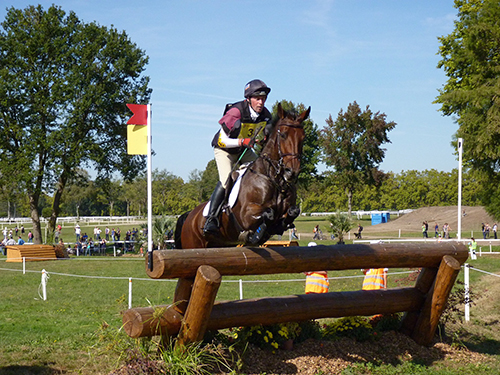
"Performance horse" makes us think of things like speed work, endurance, upper level eventing and showing, but it's much more than that.
Let's define performance horses as those being asked to perform work in excess of their regular activity.
Feral horses travel as much as 20 miles per day in search of adequate food, water and salt. If you consider that as a baseline, horses grazing on good pastures or standing around in a stall or paddock all day have a long way to go to match it. Not so for a horse being ridden.
Keeping things at the walk for a moment, the feral horse is doing a lot less work than one carrying a rider. If you doubt that, try going about your daily activities wearing a back pack containing 1/5 of your weight. Carrying weight roughly triples the energy burned. An occasional stroll through the fields is one thing but if your horse is regularly doing trail rides, he's a performance horse. So is a horse or pony taking care of beginner riders several hours a day.
Obviously there is a difference between those horses and a horse in endurance training or any other extremely strenuous effort but they are more alike than you might think in the ways their bodies have to adapt.
As always, calories is the easy part. Increased calorie requirements depend on the individual metabolism (e.g. Thoroughbred versus air fern Morgan), duration and intensity of exercise. Your, or your trainer's,. experience with the individual and work type will determine how much to feed. The bottom line is always to maintain an appropriate body condition score.
However, when the speed of the work increases to trot or canter on a regular basis, this requires an adaptation of the muscle metabolism above and beyond what is needed by a feral horse moving around primarily at the walk. Carrying weight and advanced movements also increase demands on the muscle compared to what the horse's genetics provide at a baseline.
A robust response to the demands of exercise is facilitated by a targeted blend of key amino acids, minerals, vitamins and metbolites plus adaptogens to support a balanced stress response. Some horses struggle in specific areas such as breathing or have muscular challenges like meeting training milestones or muscular bulk.
- Lose Your Fear of Selenium
- UC Davis-led Study Investigates Distribution of the Warmblood Fragile Foal Syndrome Allele in Multiple Breeds
- Veterinarians are Considering Lecithin for Treating and Preventing Ulcers
- Tetanus: Your Horse’s Risk May Be Greater Than You Think
- Pitfalls of Fecal Checks for Parasites
- Cavallo Q&A: Horse Time for Healing
- The Last Half of Pregnancy
- Equestrian Diversity Project Spotlight: Ebony Horsewomen
- Equine Guelph at the University of Guelph in Canada presents "Journey of the Digestive Tract"
- Tennessee Walking Horse Stakeholders, Animal Protection Organizations Announce Historic Effort to End Abusive Practice of ‘Soring’ and Ensure Sound Economic Future for the Breed
- Air Quality in the Barn - That Cozy Barn May Not Be Best for Lung Health
- Practice Preparedness and Prevention - Resources on Barn Fire Prevention
- Fecal Transplants for Animals
- I Have the Wrong Horse: Now What?
- Gratitude & Horses: Healing the Cracked Places
- From the Research Farm to Your Feed Room: Applying Study Results to Improve KER EO-3
- Neuromuscular Support Nutrients
- The Roadmap to PTSD in Horses
- Is Your Horse Happy and Comfortable? Find Out with This Simple Body Exploration
- Appaloosa - The Most Beautiful Horse Breed in the World