




Health & Education
We all want the best care possible for our horses. The Heath & Education section covers both Learning Institutions, Organizations as well as many sources for equine assistance including Veterinarians and Farriers.
For those who want a to formally study horses, the Education section includes College Riding, Equine Studies, and Veterinary Schools. Learn about the wide variety of horses in the Horse Breeds section. Supplements and Treatments Therapy are also included in the section.
Everyone can learn from Fine Art and there are some specialty Museums that might surprise you.
Horses as a therapy partner enrich the lives of the disabled. These facilities are listed in our Therapeutic Riding section. To help children and young adults build confidence and grow emotionally, please see the resources available on the Youth Outreach page.
Looking for a place to keep your horse? You can find it in the Horse Boarding section. Traveling? Find a Shipping company or Horse Sitting service if your horse is staying home!
Want to stay up to date with the latest training clinics or professional conferences? Take a look at our Calendar of Events for Health & Education for the dates and locations of upcoming events.
Do we need to add more? Please use the useful feedback link and let us know!
by Adam Lusher
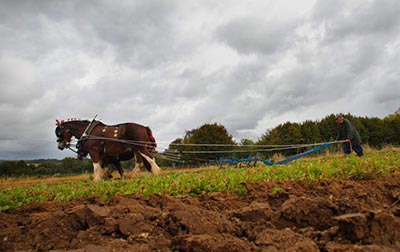
The breed that inspired War Horse and George Orwell is in danger of disappearing from Britain, a conservation charity warns. Having served faithfully in peace and war, they have become probably Britain’s three favourite breeds of working horse. Now, however, the Shire Horse, Suffolk Punch, and Clydesdale are in danger of becoming extinct in the UK.
The Rare Breeds Survival Trust (RBST), a charity dedicated to the conservation of farm animals, has warned that unless urgent action is taken, all three varieties of working horse could disappear from the British landscape within ten years.
Read more: Is the Great British Shire Horse About to Go Extinct?

by Sarah Nash
Dim red light or darkness at night is required to facilitate rest and recovery and, for the nightly rise in the circadian regulating hormone melatonin. Firstly, it is important to understand the role of the hormone melatonin. Melatonin is a protein hormone produced in the brain by the pineal gland at night and it is commonly referred to as the Hormone of Darkness. In the horse, melatonin is produced primarily during the dark hours and is turned off when light of the correct intensity and wavelength enters the eye. Low levels of melatonin by day and high levels at night time are important for a strengthened immune system and regulation of internal timing. White light at night disturbs this melatonin production and reduces rest, immune function and daytime performance capacity.
Ideal lighting facilitates rest and regeneration at night while permitting visibility for management routines. The low intensity red light at night provided by the Equilume Stable Light permits the nightly rise in melatonin, stabilising circadian rhythms while facilitating night time monitoring, management and feeding of horses while avoiding the negative consequences of white light at night.
- Breathing Easy: A Key to Equine Health and Performance
- Alfalfa and the Insulin Resistant Horse - The True Story
- Burning And Learning?
- The Canadian Horse: Discover a Versatile Breed Rich in History
- Core Equine Disease Risks Increase Amid Mosquito Season
- Equilume Stable Light Can Influence Body Composition and Biological Rhythms in Horses-in-training
- Inflammation: It’s Not Just In Joints
- Horsepower: How Digital Technology is Transforming the Equine World
- Exercising and Training Horses in Hot Weather
- Choose Hemp Instead of Soy for Your Horse!
- Equine Odontoclastic Tooth Resorption and Hypercementosis
- What is the Ideal Conditioning Program for an Eventer?
- Is Your Horse a Slave in a Sand Box?
- Surprise! It's Twins!
- Dental Surgery and Extractions
- A Rejected Foal and a Brokenhearted Mare Saved Each Other
- Miniature Horse Therapy: Great Big Good Things in Small Packages
- Man O’ War Project Helping the Soldiers of War Heal
- Is Icing Still a Valid Treatment for Injuries?
- Must-Have Secret Training Tools