





Health & Education
We all want the best care possible for our horses. The Heath & Education section covers both Learning Institutions, Organizations as well as many sources for equine assistance including Veterinarians and Farriers.
For those who want a to formally study horses, the Education section includes College Riding, Equine Studies, and Veterinary Schools. Learn about the wide variety of horses in the Horse Breeds section. Supplements and Treatments Therapy are also included in the section.
Everyone can learn from Fine Art and there are some specialty Museums that might surprise you.
Horses as a therapy partner enrich the lives of the disabled. These facilities are listed in our Therapeutic Riding section. To help children and young adults build confidence and grow emotionally, please see the resources available on the Youth Outreach page.
Looking for a place to keep your horse? You can find it in the Horse Boarding section. Traveling? Find a Shipping company or Horse Sitting service if your horse is staying home!
Want to stay up to date with the latest training clinics or professional conferences? Take a look at our Calendar of Events for Health & Education for the dates and locations of upcoming events.
Do we need to add more? Please use the useful feedback link and let us know!
by Jen Roytz
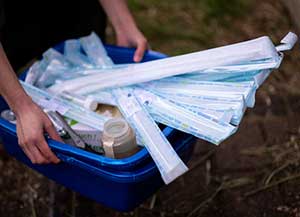
Biosecurity should be a year-round concern for any farm, equine competition venue or other location in which horses are kept, but recent outbreaks of communicable diseases around the world have horsemen on heightened alert.
More recently, an outbreak of equine influenza in an active training yard prompted the cancellation of racing at tracks throughout Britain. More locally, nine horses have now been confirmed positive for equine influenza after being stabled at the World Equestrian Center, an equestrian competition venue in Columbus, Ohio. Several other horses who had recently competed at the facility were diagnosed with the virus once they returned to their home base in Indiana.
Read more: Horse Health: Equine Influenza and How to Minimize Your Risk
Dr. Amy Gill, PhD Equine Nutritionist
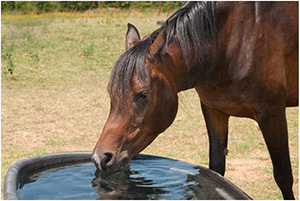
Hot, dry weather is on the rise across the country and will continue throughout the summer months. This type of environment poses challenges for horse owners in keeping their horses healthy and comfortable. Keeping horses hydrated and cool are of paramount importance during hot, dry weather.
Water is needed by the horse for body fluid balance, digestive function and thermoregulation. Lack of water is more rapidly fatal than lack of feed. Therefore, utmost attention should be paid to water quality and availability particularly when the ambient temperature remains high for long periods of time. Here are tips and suggestions for making sure your horse stays hydrated:
• Be sure to aggressively treat any horse with diarrhea and do not leave a sick horse out in direct sunlight.
• Be sure the water available is cool, preferably in the shade or under shelter. Water out in direct sunlight will become hot very quickly and be intolerable to the horse; change the water several times daily if it is heating up. Keep an eye on herd dynamics around a water source to make sure everyone is getting a drink. If the water trough is being dominated by one horse, be sure to make additional water sources available.
• Feed free choice forage (hay, hay cubes or pelleted forages) to encourage drinking. Water intake is directly related to how much dry matter is consumed. Eating forage triggers the thirst response because it absorbs water from the intestinal tract.
- Ketogenic Diet for Horses? Pass
- The Right Way to Dose Electrolytes
- Muzzle Adjustments May Prevent Teeth Damage
- 12 Stretches to Release Lower Back and Hip Pain In Riders
- Horse Health: You Can Lead a Horse to Water…
- Is it Time to Change Bits?
- Maintain Your Horse’s Safety This Fourth of July
- Health and Exercise Science student research quantifies horse gait, movement for equine therapy
- 10 Facts About Equine West Nile Virus
- Tracking Five Millennia of Horse Management with Extensive Ancient Genome Time Series (Part 4 of 4)
- Tracking Five Millennia of Horse Management with Extensive Ancient Genome Time Series (Part 3 of 4)
- With Wet Weather Comes A New Hoof Problem: Retracted Soles
- Tracking Five Millennia of Horse Management with Extensive Ancient Genome Time Series (Part 2 of 4)
- Tracking Five Millennia of Horse Management with Extensive Ancient Genome Time Series (Part 1 of 4)
- Breeding: Make Sure You Cover the Basics!
- Vitamin C – Friend or Foe?
- Disaster Preparation Tips for Horse Owners
- Mild Equine Asthma Can Distinguish Winners from Losers on the Racetrack
- The Academic Equestrian: 10 Horse Personality Types
- Equine Temperament: Nature, Nurture or Both?