




Health & Education
We all want the best care possible for our horses. The Heath & Education section covers both Learning Institutions, Organizations as well as many sources for equine assistance including Veterinarians and Farriers.
For those who want a to formally study horses, the Education section includes College Riding, Equine Studies, and Veterinary Schools. Learn about the wide variety of horses in the Horse Breeds section. Supplements and Treatments Therapy are also included in the section.
Everyone can learn from Fine Art and there are some specialty Museums that might surprise you.
Horses as a therapy partner enrich the lives of the disabled. These facilities are listed in our Therapeutic Riding section. To help children and young adults build confidence and grow emotionally, please see the resources available on the Youth Outreach page.
Looking for a place to keep your horse? You can find it in the Horse Boarding section. Traveling? Find a Shipping company or Horse Sitting service if your horse is staying home!
Want to stay up to date with the latest training clinics or professional conferences? Take a look at our Calendar of Events for Health & Education for the dates and locations of upcoming events.
Do we need to add more? Please use the useful feedback link and let us know!
by Danvers Child CJF
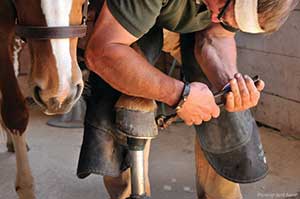
Although farriers advertise their services and clients occasionally respond to those advertisements, the vast majority of farriers establish their business through referrals. It’s the way things work in the horse industry; another owner, a trainer, a veterinarian, or whoever passes along a recommendation, and you call the recommended farrier.
It’s a hit and miss selection process. The person who makes the recommendation awards some value to the farrier, but…. “Is that value truly warranted?” and “Does it apply to your situation?” The fact is that most farriers get recommended due to things disconnected or minimally connected to their craft.
Rather than being selected for their ability, their skill set, or their knowledge base, they’re more often chosen due to concerns related to being personable and friendly, being reasonably priced, being known for not losing shoes, or for showing up on time.
While these are all good and desirable traits, they’re probably not the best selection criteria for the performance side of the job at hand. So people tend to add “experience” to the list. Unfortunately, however, experience sometimes doesn’t match up to skill, knowledge, or talent. The fact is that 20 years of experience can sometimes mean one year’s worth of experience repeated 20 times.
So, keep looking for the good traits, but don’t automatically award credibility for them. And consider adding some other criteria to your selection process. Things you might look for would include:
1. Someone who pursues and/or attains certification.
While certification is not generally required in North America, many motivated farriers will have voluntarily submitted to testing through the American Farriers Association (AFA). Yes, there are many excellent farriers who have not chosen to certify; nevertheless, when “flying blind,” it’s a good idea to look for someone who has earned the AFA’s CF (Certified Farrier) or CJF (Certified Journeyman Farrier) credential.
by Hay and Forage Grower
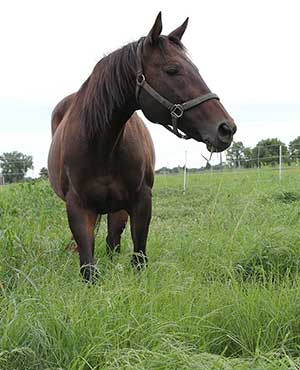
Horses, as grazers, are different than every other livestock species. Notoriously known for being selective, horses can quickly turn a uniform pasture into a patchwork quilt that often results in overgrazing in some areas and nonutilization in others. Their selection habits are often difficult to explain.
University of Minnesota extension horse specialist Krishona Martinson and her co-workers have invested significant time and resources in researching horse preferences for various classes of forage species. A recent summary of that work highlighted these findings:
Perennial cool-season grasses
• Horse preference is important to realize more uniform grazing of pastures, improved forage utilization, and a reduction in pasture maintenance (clipping or mowing).
- 3 Ways to Learn to Ride Better - An Excerpt from Two Brains, One Aim
- Older Horses Need Supplemental Vitamin C
- The Resistance – Equine Parasites Rise Up
- Laminitis: A Year-Round Concern
- Quality Care for Tendons and Ligaments
- Feeding Flaxseeds: Do you have all the facts?
- 5 Red Flags You Should Not Ignore When Horse Shopping (And How to Address Them)
- The Secret to Healthy Horses? Keep it Simple!
- Horse Health: Equine Influenza and How to Minimize Your Risk
- Managing Horses in Hot Weather
- Ketogenic Diet for Horses? Pass
- The Right Way to Dose Electrolytes
- Muzzle Adjustments May Prevent Teeth Damage
- 12 Stretches to Release Lower Back and Hip Pain In Riders
- Horse Health: You Can Lead a Horse to Water…
- Is it Time to Change Bits?
- Maintain Your Horse’s Safety This Fourth of July
- Health and Exercise Science student research quantifies horse gait, movement for equine therapy
- 10 Facts About Equine West Nile Virus
- Tracking Five Millennia of Horse Management with Extensive Ancient Genome Time Series (Part 4 of 4)