



Health & Education
We all want the best care possible for our horses. The Heath & Education section covers both Learning Institutions, Organizations as well as many sources for equine assistance including Veterinarians and Farriers.
For those who want a to formally study horses, the Education section includes College Riding, Equine Studies, and Veterinary Schools. Learn about the wide variety of horses in the Horse Breeds section. Supplements and Treatments Therapy are also included in the section.
Everyone can learn from Fine Art and there are some specialty Museums that might surprise you.
Horses as a therapy partner enrich the lives of the disabled. These facilities are listed in our Therapeutic Riding section. To help children and young adults build confidence and grow emotionally, please see the resources available on the Youth Outreach page.
Looking for a place to keep your horse? You can find it in the Horse Boarding section. Traveling? Find a Shipping company or Horse Sitting service if your horse is staying home!
Want to stay up to date with the latest training clinics or professional conferences? Take a look at our Calendar of Events for Health & Education for the dates and locations of upcoming events.
Do we need to add more? Please use the useful feedback link and let us know!
by Kelly Melvin, Graduate Research Assistant
Jennie Ivey, PhD, PAS, Assistant Professor and Extension Equine Specialist, Department of Animal Science, Univ. of Tennessee
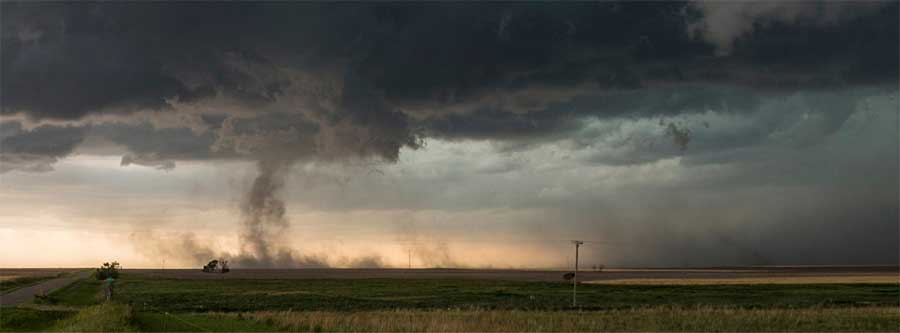
In light of recent flooding, wildfires, and other natural disasters in the United States, there has been increased concern regarding how to prepare horse farms for various natural disaster situations. Being prepared before disasters occur is the best way to increase your animal’s chance of survival and safety.
Before a Disaster Hits
Do you have an updated yearly plan of action for emergency situations? Having a plan of action before a disaster hits can help reduce both human and animal stress, increase survival, and minimize damages. Always heed evacuation notices to keep you and your family safe.
by Juliet M. Getty, Ph.D.
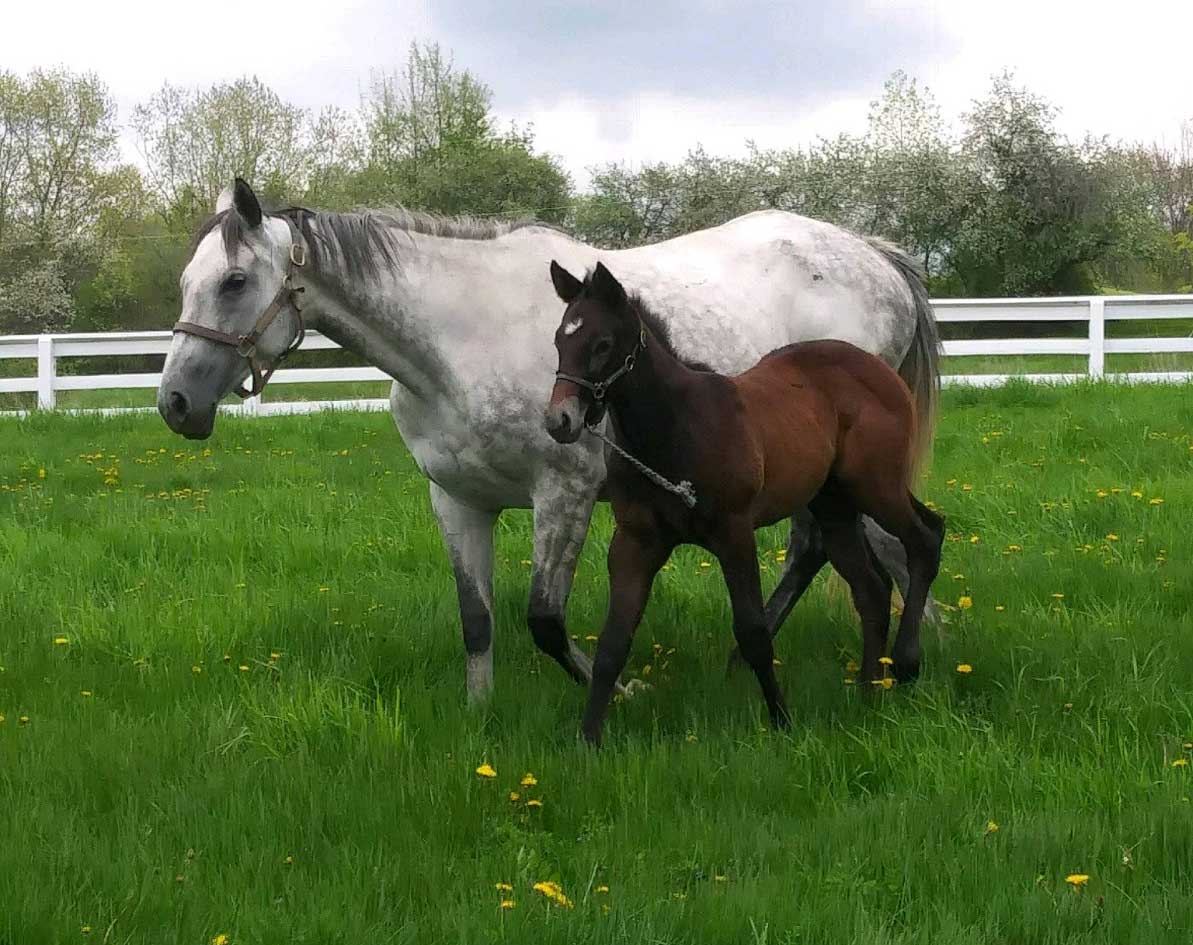
Colostrum -- you know it as the mare's first milk. It is a complex fluid, rich in nutrients and immune-regulating compounds, all designed to give the newborn foal the immune support he needs to thrive. Unlike humans, who are born with an initial level of immunity, newborn horses do not benefit from any placental transfer of immunoglobulins; therefore they must consume colostrum in the first few hours of life in order to survive.
It is fascinating to note that animal species can be divided into three classes based on the way immunoglobulins are transferred to newborns.[i] (1) via placental transfer to the fetus before birth (primates, including humans, rabbits, and guinea pigs); (2) through both placental transfer and through mammary gland secretion of colostrum (rats, mice, cats, and dogs); (3) strictly from mammary secretions (ungulates such as horses, pigs, cows, sheep, and goats). Though human babies absorb only a very small amount of immunoglobulins from the small intestine, the presence of immunoglobulins throughout the gastrointestinal tract will bind bacteria, toxins, and other macromolecules, inhibiting their ability to be absorbed into the blood stream, thereby improving the immune response.[ii]
But does colostrum benefit adult horses?
I was skeptical at first. After all, immunoglobulins found in colostrum are very large proteins, far too large to be absorbed directly into the bloodstream at an advanced age. Even newborn foals are best able to absorb these macromolecules only within the first 6 to 8 hours of life. After that, the intestinal cells gradually stop absorbing immunoglobulins -a process known as "closure."[iii] I reasoned that in adult animals, these proteins must be digested, starting in the stomach and later in the small intestine, resulting in pieces of the original - certainly not the entire immunoglobulin. Well, it turns out that I was only partially correct.
You see, while most of the proteins do end up being degraded by digestive enzymes, researchers at the University of Illinois at Urbana-Champaign, Aarhus University in Denmark, and the University of Calgary, Alberta, Canada, revealed that some portion of these large molecules is actually transported across the intestinal lining intact, remaining capable of binding to an antigen.[iv] That means supplementing colostrum to adults actually does have an impact on health. Furthermore, colostrum contains more than just immunoglobulins. It protects overall wellbeing by providing a wide range of factors including lactoferrin, oligosaccharides, peptides, leukocytes, and growth factors.[v]
- What the Heck is PEMF Anyway?
- Deworming Your Horse? Reference this Comprehensive Q&A
- Equine Enteric Coronavirus
- Is Your Horse Protected Against These Disease Risks?
- Equine-Facilitated Psychotherapy: Facing Trauma With a Horse by Their Sides
- University of Kentucky’s Department of Veterinary Science Responds to Nocardioform Placentitis
- Odd Couples
- Born to Stretch — Long and Low
- Don’t Be So Hard On Yourself; 10 Ways to Stay Positive About Showing
- 3 Tips for Horse Riding With Epilepsy (and Confidence)
- Physical Signs of Damage Caused by Ill-Fitting Saddles
- Conception Failure in Mares: Seven Causes
- Horses Blink Less, Twitch Eyelids More When Stressed, U of G Researchers Find
- Maintain Your Horse’s Safety This New Year's Eve
- Caring for “Winter Woolies”
- Equestrian Programs Benefit Veterans
- New Allergens Associated with Severe Equine Asthma
- Testing a New Therapy for Horses Struggling to Breathe
- Minerals and the EMS Equine
- Straight From the Horse’s Mouth: Equine Dentistry Basics