




Health & Education
We all want the best care possible for our horses. The Heath & Education section covers both Learning Institutions, Organizations as well as many sources for equine assistance including Veterinarians and Farriers.
For those who want a to formally study horses, the Education section includes College Riding, Equine Studies, and Veterinary Schools. Learn about the wide variety of horses in the Horse Breeds section. Supplements and Treatments Therapy are also included in the section.
Everyone can learn from Fine Art and there are some specialty Museums that might surprise you.
Horses as a therapy partner enrich the lives of the disabled. These facilities are listed in our Therapeutic Riding section. To help children and young adults build confidence and grow emotionally, please see the resources available on the Youth Outreach page.
Looking for a place to keep your horse? You can find it in the Horse Boarding section. Traveling? Find a Shipping company or Horse Sitting service if your horse is staying home!
Want to stay up to date with the latest training clinics or professional conferences? Take a look at our Calendar of Events for Health & Education for the dates and locations of upcoming events.
Do we need to add more? Please use the useful feedback link and let us know!
by Nancy S. Loving, DVM
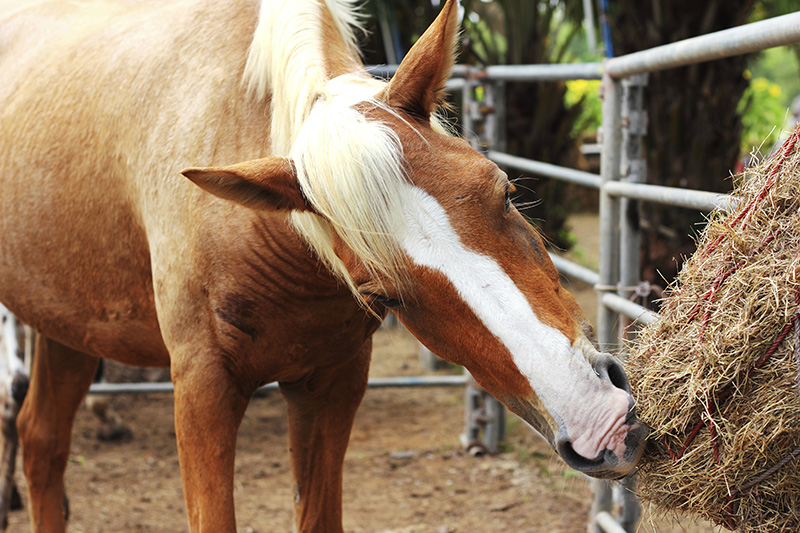
Dental evaluation and procedures are common in equine veterinary practice. Two often-overlooked conditions were reviewed and presented by Travis Henry, DVM, DAVDC, and Cleet Griffin, DVM, DABVP, at the 2017 North American Veterinary Conference. Since being recognized a decade ago, tooth resorption and hypercementosis (EOTRH) are frequently identified. Equine practitioners will want to be aware of the presence of these syndromes.
Read more: Equine Odontoclastic Tooth Resorption and Hypercementosis
by Laura Crump Anderson, an Equestrian Fitness Specialist at InForm Fitness Leesburg. She is certified as a personal trainer by the American College of Sports Medicine and specializes in working with riders of all ages and disciplines. Read more of her EN fitness columns here.
For the equestrian, I have yet to find the silver bullet or formula that computes the exact fitness required of everyone. I have concepts, frame works, guidelines, but just like horses, human athletes have variables that impact their performance. An Advanced horse and a Beginner Novice horse do not require the same level of fitness. In fact, bringing a horse down from the upper levels can be just as challenging as moving up. Warmbloods typically require additional conditioning to reach peak fitness, compared to their Thoroughbred counterparts. Add imbalance or injury into the mix and you have enough variables for a scientist to struggle to approve anything as statistically significant.
Read more: What is the Ideal Conditioning Program for an Eventer?
- Is Your Horse a Slave in a Sand Box?
- Surprise! It's Twins!
- Dental Surgery and Extractions
- A Rejected Foal and a Brokenhearted Mare Saved Each Other
- Miniature Horse Therapy: Great Big Good Things in Small Packages
- Man O’ War Project Helping the Soldiers of War Heal
- Is Icing Still a Valid Treatment for Injuries?
- Must-Have Secret Training Tools
- My Daughter is My Hero
- Horse Training: 7 Essential Steps for Safely Handling Your Horse's Feet
- Kinesiology Taping for Horses—It’s a Thing!
- AVMA Proposes Elimination Of Farrier Exemption From Veterinary Practice Act
- The Keys to Building Confidence in Your Horse from a Master Liberty Trainer
- What is a Shagya-Arabian?
- New Year’s Resolutions for the Senior Horse Owner
- Understanding Cold-Induced Laminitis
- Keeping Your Horse Calm Naturally During Stall Rest
- How “Let’s Do It!” Can Change Your Horse Business…and Your Horse
- Dr. David Nash and NSF Grant Moves Equine Medicine into the Future, with Wide-Ranging Visions for Human Use, as Well
- Fall Equine Wellness: What Your Horse Needs