





Health & Education
We all want the best care possible for our horses. The Heath & Education section covers both Learning Institutions, Organizations as well as many sources for equine assistance including Veterinarians and Farriers.
For those who want a to formally study horses, the Education section includes College Riding, Equine Studies, and Veterinary Schools. Learn about the wide variety of horses in the Horse Breeds section. Supplements and Treatments Therapy are also included in the section.
Everyone can learn from Fine Art and there are some specialty Museums that might surprise you.
Horses as a therapy partner enrich the lives of the disabled. These facilities are listed in our Therapeutic Riding section. To help children and young adults build confidence and grow emotionally, please see the resources available on the Youth Outreach page.
Looking for a place to keep your horse? You can find it in the Horse Boarding section. Traveling? Find a Shipping company or Horse Sitting service if your horse is staying home!
Want to stay up to date with the latest training clinics or professional conferences? Take a look at our Calendar of Events for Health & Education for the dates and locations of upcoming events.
Do we need to add more? Please use the useful feedback link and let us know!
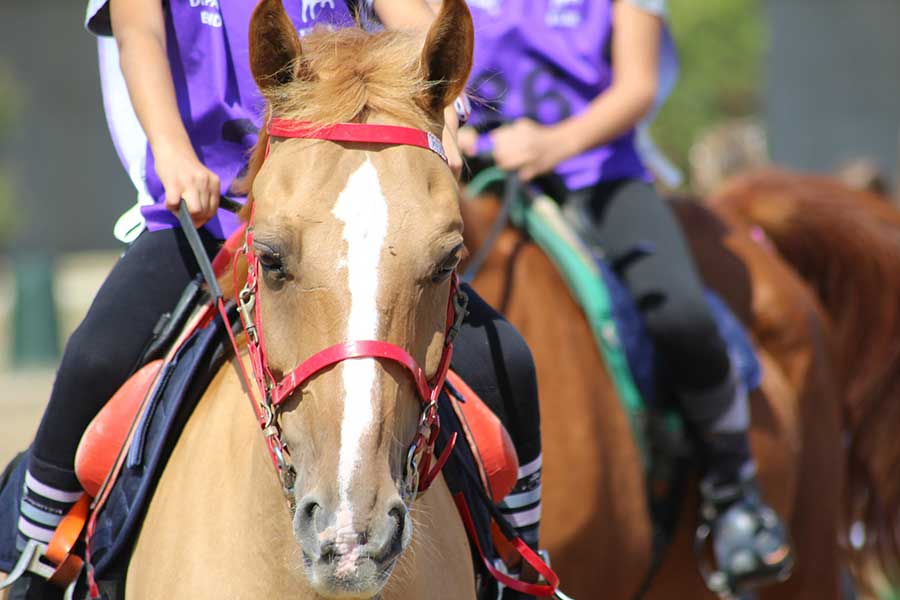
Electrolyte problems in the heat are directly proportional to sweat loss, so it makes perfect sense that horses working long periods are at greatest risk. This puts the spotlight on endurance horses.
Equine sweat is a concentrated electrolyte solution. Chloride is the most abundant electrolyte in sweat, followed by sodium, then potassium, with much smaller amounts of calcium and magnesium. The daily requirement for sodium can double with just one hour of low level sweating.
Even at low rates of sweating the horse will lose over a gallon of fluid per hour - and up to 4 gallons per hour with heavy sweating. That's a lot of fluid! The first consequence of this is dehydration. Since sodium lost in the sweat is needed to hold water in the body tissues, drinking water alone is not enough to correct the dehydration. Even mild dehydration has a major impact on the ability to perform.
Electrolyte losses triggered by exercise and sweating can produce a variety of temporary signs which respond to hydration and electrolyte replacement. Normal levels are required for regular heart rhythm, intestinal motility, coordinated movements of involuntary muscles like the diaphragm, skeletal muscle contraction and relaxation and the regulation of nerve firing.
Endurance horses show some typical changes in their blood electrolyte profiles. Low chloride is common. As above, chloride is very high in sweat. They do not have good stores of chloride in the tissues to replace what is lost in sweat. Low potassium is more common than low sodium. This is because horses can pull sodium from the tissues surrounding the body's cells to keep blood levels up. The kidney also conserves sodium by reducing sodium in the urine and replacing it with potassium.
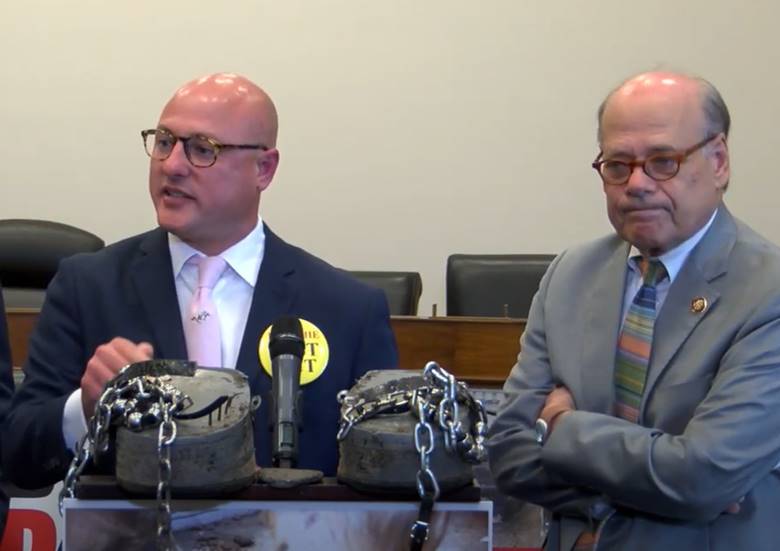
Animal Wellness Applauds Cohen’s Tireless Work for Horses.
WASHINGTON, D.C. July 2, 2020 – Today, the U.S. House of Representatives passed H.R. 1400, the Horse Transportation Safety Act, authored by Rep. Steve Cohen (D-TN-09), that would ban the transportation of horses across state lines in ‘double decker’ trucks or trailers containing two or more levels stacked on top of one another.
“I applaud Rep. Steve Cohen for his tireless work and dedication to horse protection -- he’s a knight in shining armor to the voiceless we care so deeply about,” said Marty Irby, executive director at Animal Wellness Action, and past president of the Tennessee Walking Horse Breeders’ & Exhibitors’ Association. “The horses that have transported millions of Americans for centuries, themselves deserve to be transported in a humane manner while they continue to bring joy, emotional support, and economic benefits to horsemen and women across the nation.”
“Horses deserve to be transported in as humane a manner as possible. Double-deck trailers do not provide adequate headroom for adult horses, and accidents involving double-deck trailers are a horrendous reminder that the practice is also dangerous to the driving public,” said Congressman Steve Cohen (D-TN-09). “I’m pleased this important measure is included in HR. 2, the Moving Forward Act.”
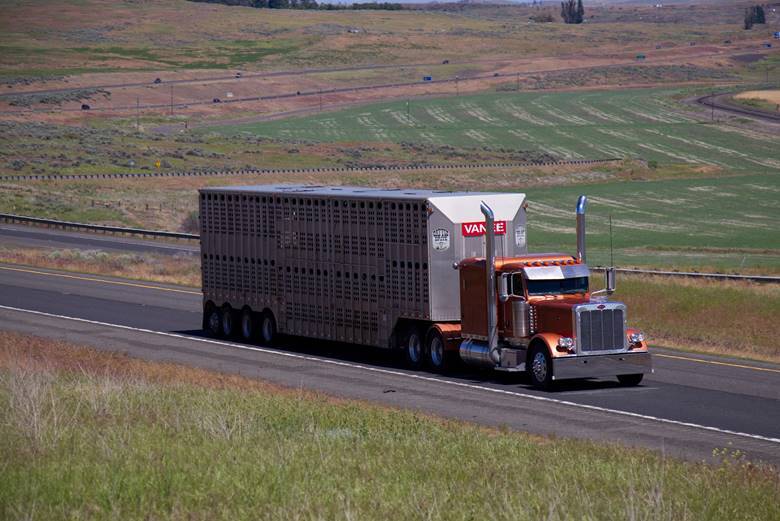
Double decker trucks and trailers present tremendous transportation risks to both the horses on board, and motorists sharing the state, federal, and local roadways with them. Numerous crashes that have occurred along interstate highways have resulted in not only the deaths of the horses, but innocent travelers as well. Even the U.S. Department of Agriculture has openly declared that these vehicles “do not provide adequate headroom for equines,” and that equines are far more likely to face injury in double decker trailers than in one level trailers that can better transport them.
Read more: U.S. Rep. Steve Cohen Ushers Horse Transportation Safety Act to Passage
- A Vet’s Guidance for Saving Horses in Need, Plus Training Your Eye to Nail the Distance
- Grazing the Metabolic Horse
- Disaster Preparedness
- Need Help Reopening Your Equine Business Amidst Covid-19? Barton Rodgers TempDefend™ Sensor Solution is Your Answer!
- Why I Did the Mustang Makeover—and Why I’d Do It Again
- Improve the Horse’s Balance, Movement, and Self-Carriage with These Easy Tail Exercises
- Q&A: Managing Arthritis in Horses
- The Benefits of Riding to Music
- How to Feed a Severely Neglected Rescue Horse
- Josh Lyons with Lyons Legacy Partner With Horses in Need
- Equine Disaster Preparation and Response
- Colostrum -- An Exceptional Superfood!
- What the Heck is PEMF Anyway?
- Deworming Your Horse? Reference this Comprehensive Q&A
- Equine Enteric Coronavirus
- Is Your Horse Protected Against These Disease Risks?
- Equine-Facilitated Psychotherapy: Facing Trauma With a Horse by Their Sides
- University of Kentucky’s Department of Veterinary Science Responds to Nocardioform Placentitis
- Odd Couples
- Born to Stretch — Long and Low