




Health & Education
We all want the best care possible for our horses. The Heath & Education section covers both Learning Institutions, Organizations as well as many sources for equine assistance including Veterinarians and Farriers.
For those who want a to formally study horses, the Education section includes College Riding, Equine Studies, and Veterinary Schools. Learn about the wide variety of horses in the Horse Breeds section. Supplements and Treatments Therapy are also included in the section.
Everyone can learn from Fine Art and there are some specialty Museums that might surprise you.
Horses as a therapy partner enrich the lives of the disabled. These facilities are listed in our Therapeutic Riding section. To help children and young adults build confidence and grow emotionally, please see the resources available on the Youth Outreach page.
Looking for a place to keep your horse? You can find it in the Horse Boarding section. Traveling? Find a Shipping company or Horse Sitting service if your horse is staying home!
Want to stay up to date with the latest training clinics or professional conferences? Take a look at our Calendar of Events for Health & Education for the dates and locations of upcoming events.
Do we need to add more? Please use the useful feedback link and let us know!
Owning a horse is a dream come true for many, but it's essential to understand that it involves more than just the initial purchase. In this special episode, we have two remarkable guests, Kate Hayes and Deb Reeder, experts from Care Credit, a leading provider of financing solutions for veterinary and pet care expenses. From daily upkeep, veterinary care, farrier visits, and training expenses to unexpected medical emergencies, the cost of horse ownership can quickly add up. Our guests will share valuable insights and tips on planning financially for bringing a horse into your life.
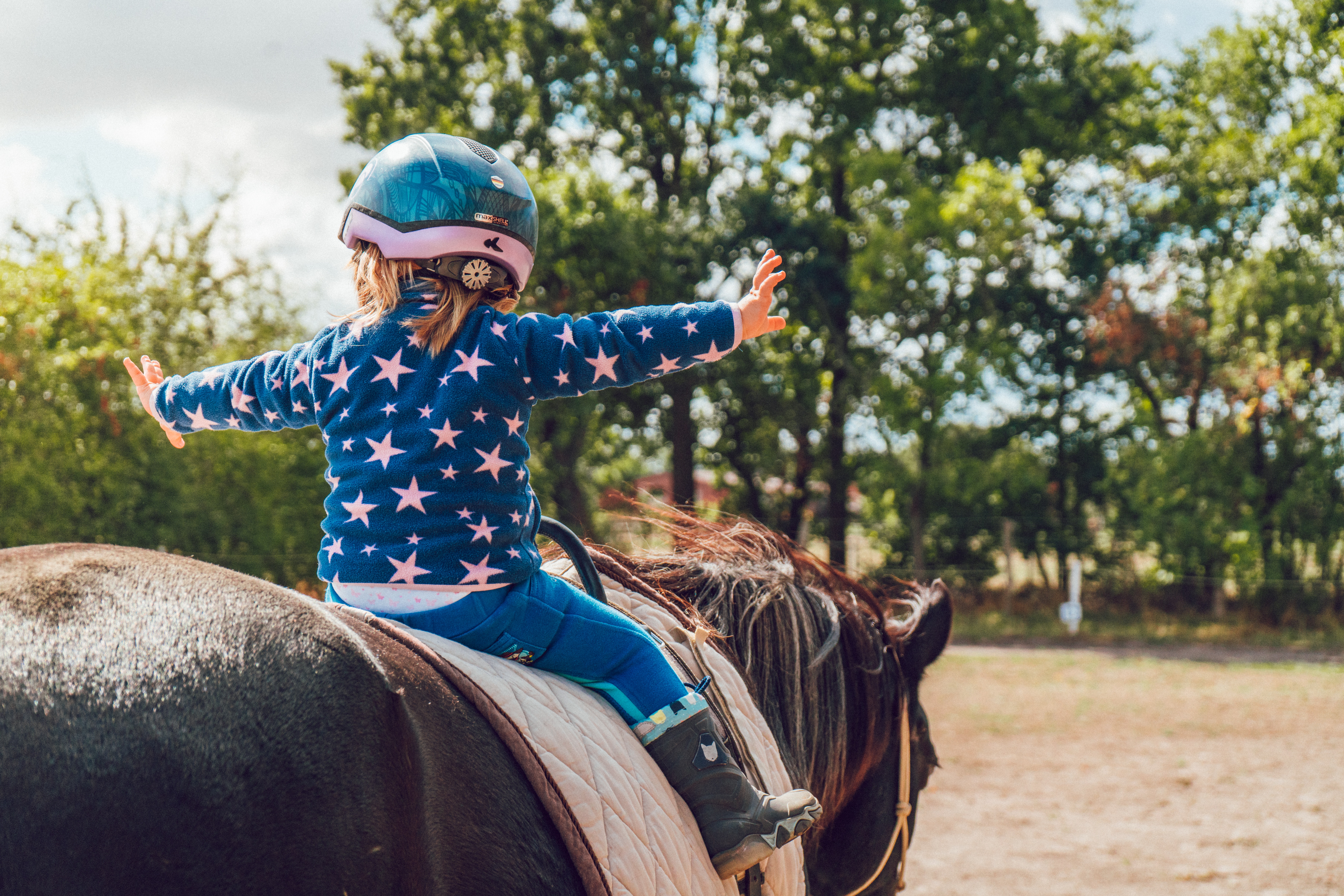
Equestrian activities fall under the umbrella term "equestrianism." Activities involving horses are among them. Both the rider and the horse are put through their paces in these competitions.
Dressage is often called the "ballet of equestrian sports" Precision, grace, and harmony between horse and rider are prized in the art of dressage. The "tests" take place on a level surface between the two.
Obstacle courses for horses and riders: that's show jumping. They attempt to avoid knocking down the poles by jumping over them. Quicker times are ranked higher.
Also, eventing. The equestrian triathlon, "eventing," consists of three disciplines: dressage, show jumping, and cross country. The horse's speed, stamina, and leaping ability are all put to the test in cross-country.
Long distance is the norm in endurance racing. Typically, a distance of 50–100 miles is involved. Health and stamina are more important than speed.
The equestrian team sport of polo. Goals are scored by the riders with mallets. Both the horse and rider need to be in top physical condition for this activity. Moreover, rodeos. Roping, barrel racing, bronc riding, and bull riding are all essential parts of any rodeo. Competitors show off their riding and horsemanship talents in each event.
Some have compared vaulting (acrobatics on a moving horse) to gymnastics on horseback. Strong, coordinated, and well-balanced athletes are essential for the sport of vaulting.
All across the world, these are some of the most popular forms of horseback riding.
Academic Help for Sports People
As you might guess, equestrian sports are about training and dedication. And students also face similar challenges in school. That’s why they often need help with essays and assignments. Luckily, there is EduBirdie — an essay writing service. It offers students assignment help online. Students can get help easily. EduBirdie gives students the support they need. In general, this support helps them tackle academic challenges.
Discipline, Teamwork, and Leadership Skills
Equestrian sports, often perceived simply as horse riding, are multifaceted. These sports demand a lot from participants. They're not just about controlling a horse. They encompass lessons that have long-term benefits for students.
Building Discipline Through Routine and Care
Participating in equestrian sports requires a routine. Riders must care for their horses daily. This means feeding, grooming, and training regularly. Such a routine fosters discipline. Students learn the value of consistency. They see the results of hard work and dedication. The discipline they cultivate from caring for a horse often translates to their studies. They develop better study habits. They stick to schedules more effectively.
Teamwork Beyond Human Interaction
Equestrian sports present a unique take on teamwork. Here, the team isn't made up of humans alone. It's a bond between the horse and rider. For success, they must understand each other. The horse, despite its strength, looks to the rider for direction. The rider, in turn, must recognize the horse's needs and signals. This mutual respect and understanding sharpen students' communication skills. It teaches them to be observant and responsive.
Leadership Rooted in Respect
Leading a horse is not about dominance. It's about mutual respect. Riders learn to lead with a balance of firmness and kindness. They can't be overly aggressive or too passive. They must find a middle ground. This lesson is invaluable. In life and school, effective leadership is about balance. Students learn to lead group projects or class discussions with confidence.
Equestrian Sports in the School Setting
Including equestrian sports in school programs can be beneficial. Beyond the physical activity, students gain essential life skills. These skills, such as discipline and leadership, can influence their academic performance. It can improve their interactions with peers. It equips them with tools they can use in future careers.
Read more: Equestrian Sports in Schools: Fostering Discipline, Teamwork, and Leadership Skills
- Adjusting the Rope Halter with Julie Goodnight (5:34)
- How to Safely Adjust Stirrups and Girth While Mounted on English Tack with Mitzi Summers
- Types of Western Saddles, Explained
- Know Thy Forage: Ten Forage-Related Terms That May Be New To You
- The Emergency Stop with Julie Goodnight (3:05)
- Sample Lesson on First Trot with Andrea Boone (16:49)
- Horse Heatstroke and Exhaustion
- Putting Weight on a Skinny Horse
- The Export Journey of the Icelandic Horse (22:17)
- Why Wear a Helmet? Riders Share Harrowing Close Calls
- Equine Affaire Educational Program - Monty Roberts performs Join-Up with a Wild Horse (22:37)
- Veterinarian, Equestrian Advises on Caring for the Senior Show Horse
- Rood & Riddle "Stallside" Podcast - Scratches and Hives Oh My! with Dr Julia Miller
- Your Child Wants to Ride a Horse! What Should You Do?
- Biosecurity Education & Training
- Sample Lesson: First Lope with Tara Reimer (17:12)
- Obese Equine Athletes: Are These “Unhealthy” Healthy Horses?
- Facility Design with Biosecurity in Mind
- What's In Your Hay?
- Reading Horse Behavior with Dale Rudin (7:55)