



Health & Education
We all want the best care possible for our horses. The Heath & Education section covers both Learning Institutions, Organizations as well as many sources for equine assistance including Veterinarians and Farriers.
For those who want a to formally study horses, the Education section includes College Riding, Equine Studies, and Veterinary Schools. Learn about the wide variety of horses in the Horse Breeds section. Supplements and Treatments Therapy are also included in the section.
Everyone can learn from Fine Art and there are some specialty Museums that might surprise you.
Horses as a therapy partner enrich the lives of the disabled. These facilities are listed in our Therapeutic Riding section. To help children and young adults build confidence and grow emotionally, please see the resources available on the Youth Outreach page.
Looking for a place to keep your horse? You can find it in the Horse Boarding section. Traveling? Find a Shipping company or Horse Sitting service if your horse is staying home!
Want to stay up to date with the latest training clinics or professional conferences? Take a look at our Calendar of Events for Health & Education for the dates and locations of upcoming events.
Do we need to add more? Please use the useful feedback link and let us know!
by Eleanor Kellon, VMD
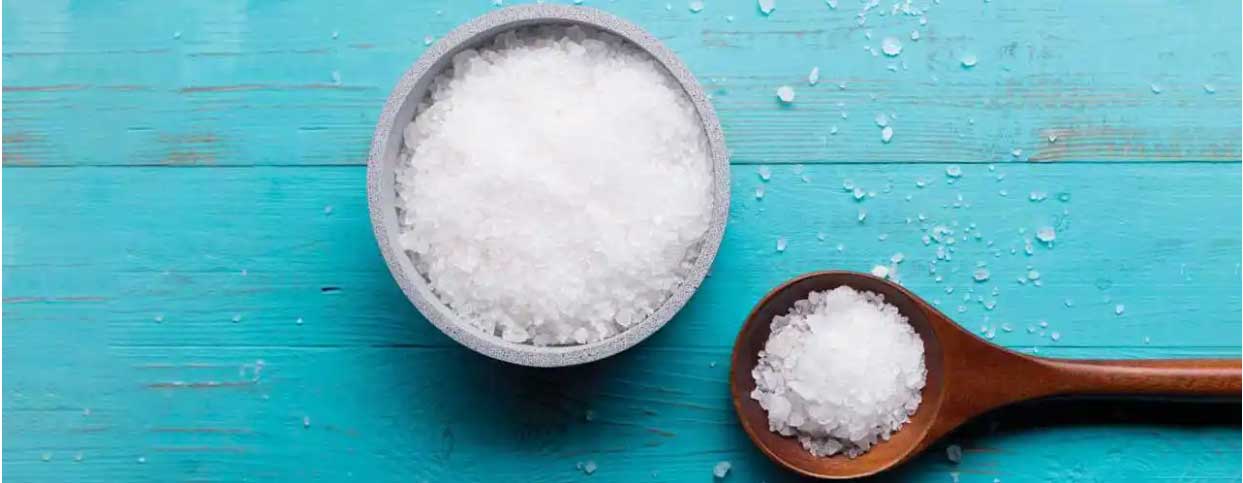
SALT
A universal requirement for horses around the world is salt, primarily for sodium but chloride can also be deficient. The diet of all horses is deficient. Wait. If that’s true, how did horses survive without people to feed them salt? Feral horses make regular sojourns to areas with natural salt deposits where they stock up. Bone has a sizeable reservoir of sodium. In between, homeostatic mechanisms allow them to hold on to electrolytes in short supply. Left to their own devices, feral horses are perfectly content not to move at a pace beyond a walk so do not normally have excessive sweat losses. They are, however, at risk of severe dehydration if anything upsets this fragile balance.
Research has quantified what daily losses of sodium are and we also know how much is lost in sweat. There is no harm whatsoever in supplementing those losses as they occur to prevent the horse from going into negative balance. Doing so ensures optimal hydration, enhances digestion and mineral absorption, maintains normal nervous and muscular function.
OMEGA-3 FATTY ACIDS
In times of the year when fresh grass is not available, the horse's diet goes from one rich in omega-3 fatty acids (about half of their intake) to one with virtually none because these fragile fats do not survive long in cut and baled hay. Grains, brans, etc. are also low in omega-3s.
Omega-3 fatty acids are typically thought of as important to antiinflammatory balance but two studies have also shown supplementation boosts immune system responses in general. They are also pivotal in the development and health of the brain and eyes, and may influence behavior in young horses.
VITAMIN E
Vitamin E, abundant in fresh plant material, suffers the same fate as omega-3 fatty acids in hay. There are very real consequences to immunity, nerve and muscle function if ignoring vitamin E intake. Nutritional Russian roulette is not a good approach.
IN CONCLUSION
Those are the big three. Even if your horse is on a supplemented feed or a balancer you are probably not meeting requirements. A strong case can also be made for <em.selenium, iodine, zinc and copper in most areas but they are not quite as universal as omega-3s, vitamin E and salt.
Cheap Insurance!
This article originally appeared on Uckele Nutrition and is published here with permission.
There are lots of good articles in our section on Health & Education.
Monty Roberts demonstrates Join-Up® and the language of Equus at the Barretos Rodeo Festival 2023 in Brazil
Read more: Monty Roberts' Join-Up in Brazil at the Barretos Rodeo Festival 2023 (2:54)
- Biomechanics Experiment: The Equine Spine - Neutral vs. Engaged
- What To Do If Your Horse Is Sick - A Checklist
- Good Riding Position with Ken Najorka (8:07)
- Horse Hoof Cracks 101
- Rood & Riddle Stallside Podcast - The Cost of Horse Ownership with Kate Hayes and Deb Reeder
- Equestrian Sports in Schools: Fostering Discipline, Teamwork, and Leadership Skills
- Adjusting the Rope Halter with Julie Goodnight (5:34)
- How to Safely Adjust Stirrups and Girth While Mounted on English Tack with Mitzi Summers
- Types of Western Saddles, Explained
- Know Thy Forage: Ten Forage-Related Terms That May Be New To You
- The Emergency Stop with Julie Goodnight (3:05)
- Sample Lesson on First Trot with Andrea Boone (16:49)
- Horse Heatstroke and Exhaustion
- Putting Weight on a Skinny Horse
- The Export Journey of the Icelandic Horse (22:17)
- Why Wear a Helmet? Riders Share Harrowing Close Calls
- Equine Affaire Educational Program - Monty Roberts performs Join-Up with a Wild Horse (22:37)
- Veterinarian, Equestrian Advises on Caring for the Senior Show Horse
- Rood & Riddle "Stallside" Podcast - Scratches and Hives Oh My! with Dr Julia Miller
- Your Child Wants to Ride a Horse! What Should You Do?