





Health & Education
We all want the best care possible for our horses. The Heath & Education section covers both Learning Institutions, Organizations as well as many sources for equine assistance including Veterinarians and Farriers.
For those who want a to formally study horses, the Education section includes College Riding, Equine Studies, and Veterinary Schools. Learn about the wide variety of horses in the Horse Breeds section. Supplements and Treatments Therapy are also included in the section.
Everyone can learn from Fine Art and there are some specialty Museums that might surprise you.
Horses as a therapy partner enrich the lives of the disabled. These facilities are listed in our Therapeutic Riding section. To help children and young adults build confidence and grow emotionally, please see the resources available on the Youth Outreach page.
Looking for a place to keep your horse? You can find it in the Horse Boarding section. Traveling? Find a Shipping company or Horse Sitting service if your horse is staying home!
Want to stay up to date with the latest training clinics or professional conferences? Take a look at our Calendar of Events for Health & Education for the dates and locations of upcoming events.
Do we need to add more? Please use the useful feedback link and let us know!
This is a safety tip on how to safely hard tie your horse with a quick release knot brought to you by Certified Horsemanship Association (CHA). It will explain how short or long to tie, where it's safe to tie, how to do the knot, etc. CHA is the largest certifying body of horseback riding instructors in North America, with over 35,000 having been certified since 1967.
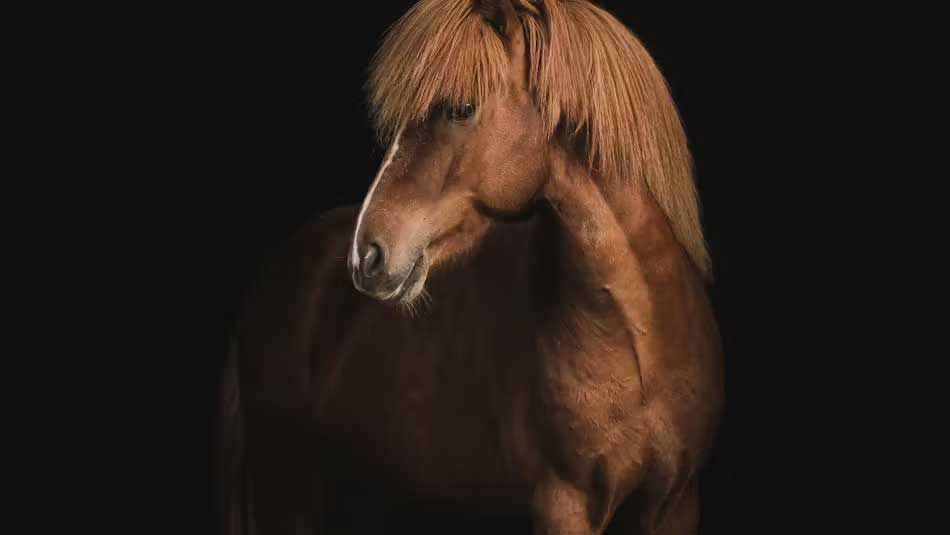
The Icelandic horse is known worldwide for its genuine and welcoming character. The horses are friendly, adventurous, smart, and quick to learn. They are usually very easy to handle, cooperative both on the ground and while ridden, yet also powerful and with a great will to work.
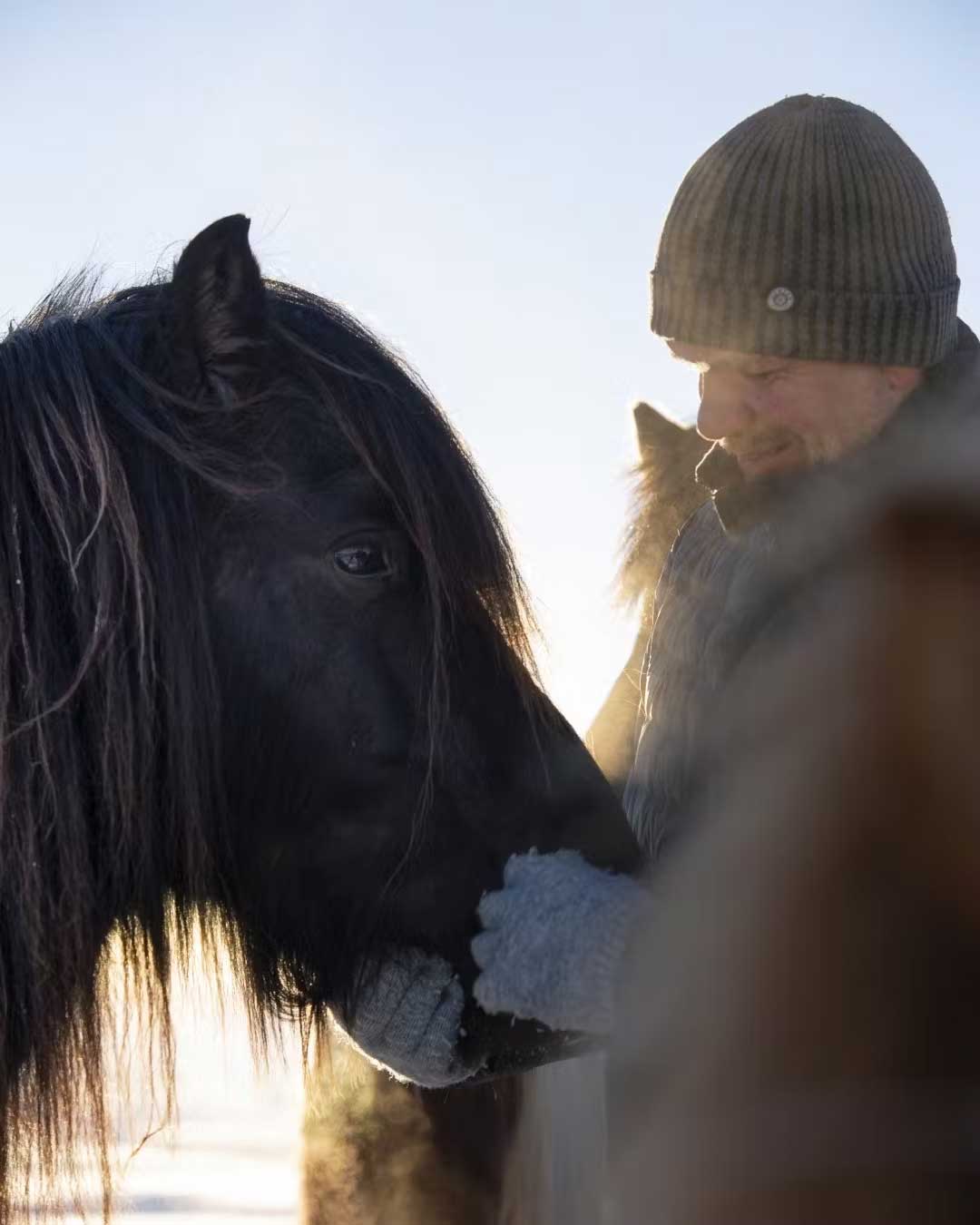
Icelanders traditionally favour horses with great spirit, power and stamina which is no wonder when taking into consideration what kind of long distances on hard terrain these horses needed to travel. However, the horses should always be reliable and treasured companions, ready to give their all in full speed when required, but also stand still for hours and shelter the humans from a snow storm if needed. There are many stories of how horses have saved their rider’s life, by outsmarting them, refusing to go where the path was too dangerous, or finding the way home when the rider was completely lost.
INDESPENSABLE SERVANTS
Often the same horse can be used for competitions at the highest level, as well as to safely carry the youngest family member on a ride out. The horses seem to adapt to each task given, knowing when it is time for full power or to tune down. They are an easy-going mount when a youngster or an unstable rider comes along. This versatility is highly treasured among Icelandic horse lovers, and is one of the most important breeding goals. Icelandic horses will reward mutual respect and fair handling with life-long loyalty and friendship.
The horses of Iceland have been the most indispensable servants since the island was first settled and have served that role faithfully through the ages. With no roads, vast distances and rough terrain, the horses were used for anything from carrying goods, transporting the doctor and postman, bringing people to church and to their loved ones across glacial rivers, as well as providing meat, horse hair and even milk.
Although their role has changed quite dramatically in the last 100 years, the horses remain an important part of Icelandic culture, bringing people together, both within the country as well as across borders.
This article originally appeared on The Horses of Iceland and is published here with permission.
You can find more interesting articles in our section on Health & Education.
- 4 Signs of a Happy Horse
- Stallside Podcast - Behind the scenes with the Rood & Riddle Anesthesia and Surgery Technician Team (34:01)
- Breaking the Cycle of Hoof Lameness: Navicular, Laminitis, Pedal Osteitis (14:25)
- Rood & Riddle: Advances in Equine Healthcare (6:37)
- Extending Photoperiod for Muscle Development in Young Horses
- Adopting a Wild or Feral Mustang?
- Rood & Riddle Stallside "Inside the Breeding Shed with Sandy Hatfield, Stallion Manager at Three Chimneys Farm" (31:37)
- The Horses of Iceland - Many Different Colors
- Minis – A Big Horse in a Little Package
- Holding the Horse for the Vet or Farrier with Julie Goodnight (7:03)
- Fitting the Martigale with Julie Goodnight (12:33)
- Colic in Horses, Explained
- Lengthening and Shortening the Horse's Strides with Ann Brzezicki (20:31)
- Equine Asthma: Current Understanding and Future Directions Research - Dr Dorothee Bienzle (14:25)
- The Real Cost of Horse Ownership - Jackie Bellamy-Zions (5:51)
- Keeping Dogs Safe around Horses and Livestock
- 5 Winter Plus Senior Horse Care Tips
- How to Measure for Hoof Boots
- The Benefit of Barn Cats!
- Treating a foal's Overbite with Dr Brad Tanner from Rood & Riddle Equine Hospital