




Health & Education
We all want the best care possible for our horses. The Heath & Education section covers both Learning Institutions, Organizations as well as many sources for equine assistance including Veterinarians and Farriers.
For those who want a to formally study horses, the Education section includes College Riding, Equine Studies, and Veterinary Schools. Learn about the wide variety of horses in the Horse Breeds section. Supplements and Treatments Therapy are also included in the section.
Everyone can learn from Fine Art and there are some specialty Museums that might surprise you.
Horses as a therapy partner enrich the lives of the disabled. These facilities are listed in our Therapeutic Riding section. To help children and young adults build confidence and grow emotionally, please see the resources available on the Youth Outreach page.
Looking for a place to keep your horse? You can find it in the Horse Boarding section. Traveling? Find a Shipping company or Horse Sitting service if your horse is staying home!
Want to stay up to date with the latest training clinics or professional conferences? Take a look at our Calendar of Events for Health & Education for the dates and locations of upcoming events.
Do we need to add more? Please use the useful feedback link and let us know!
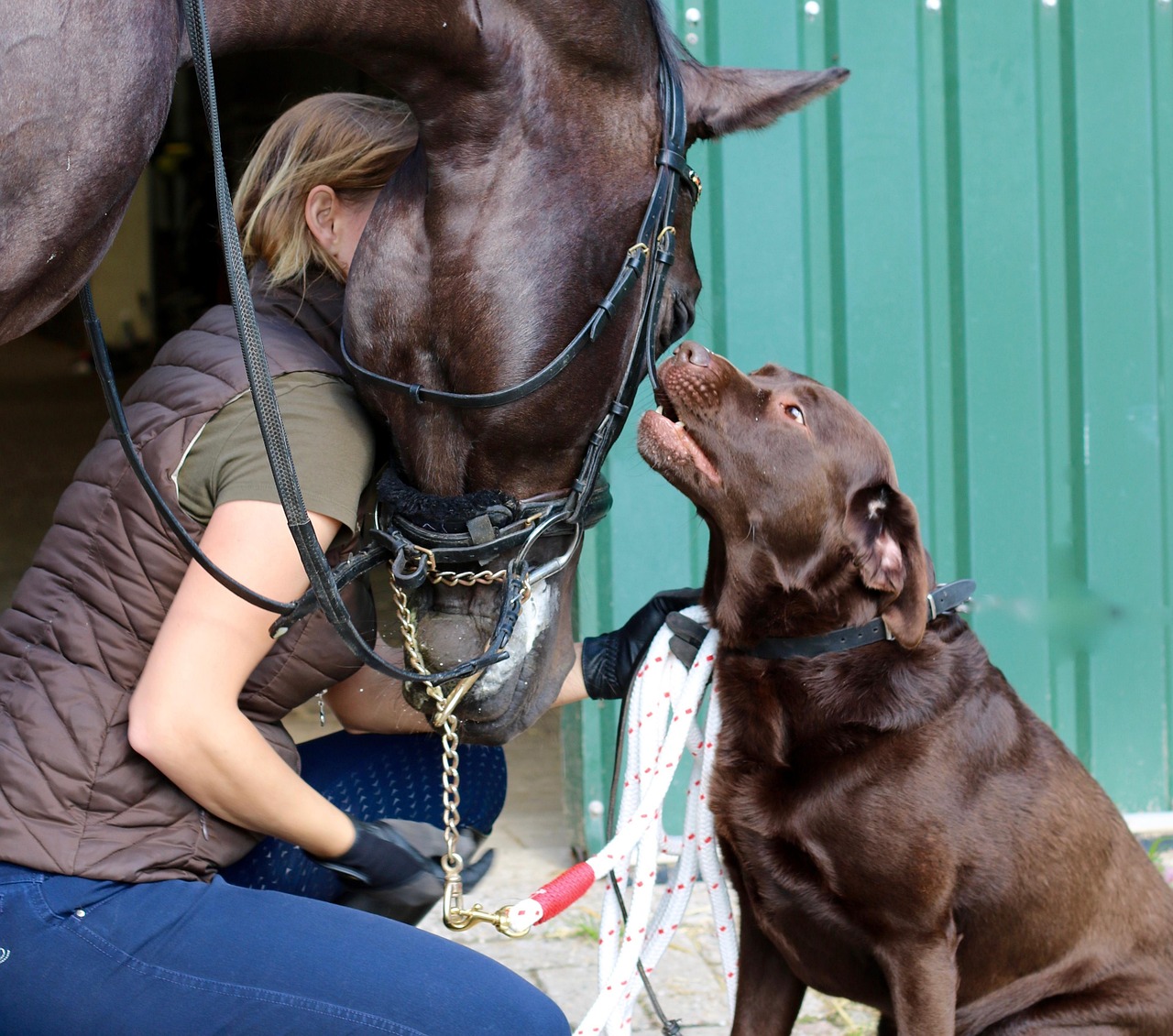
A dog's dental health is much more than a cosmetic concern; it is a critical component of their overall well-being and longevity. Neglected oral hygiene in canines can lead to painful conditions, such as periodontal disease, and even more severe, systemic health problems affecting major organs. While traditional brushing is a gold standard, consider using a dog dental powder for your pet! Dog dental powders have emerged as a convenient and effective supplement to help owners combat plaque and tartar buildup. These powders, added directly to a dog's food, offer a non-invasive solution for promoting oral health, especially for those dogs who resist having their teeth brushed.
The critical importance of canine oral health
Just as with humans, a dog's mouth is a breeding ground for bacteria. When these bacteria combine with food particles and saliva, they form plaque, a sticky, colorless film on the teeth. If plaque is not removed, it hardens into tartar, or dental calculus, which creates a rough surface for even more bacteria to accumulate. The accumulation of plaque and tartar is the primary cause of periodontal disease, a progressive condition that can wreak havoc on a dog's health.
Periodontal disease: The silent epidemic
Periodontal disease is the most common dental condition in dogs, with up to 80% of dogs showing signs by age three. It progresses in four stages, ranging from mild gingivitis to advanced periodontitis with significant bone and tissue loss around the teeth.
- Stage 1 (Gingivitis): The gums become red, swollen, and may bleed easily. At this stage, the condition is reversible with proper veterinary dental care.
- Stage 2 (Early Periodontitis): The supporting structures of the teeth, including the bone, start to become compromised.
- Stages 3 & 4 (Moderate to Advanced Periodontitis): The damage becomes irreversible. There is significant bone loss, gum recession, and a high risk of tooth loss.
Beyond the mouth: Systemic health risks
The consequences of untreated periodontal disease extend far beyond the oral cavity. The bacteria from a dog's mouth can enter the bloodstream and spread throughout the body, posing a serious threat to vital organs. Studies have linked advanced dental disease in dogs to microscopic changes in the kidneys, liver, and heart muscle. In fact, poor oral hygiene has been shown to potentially shorten a dog's lifespan by several years.
Dog dental powder: An easy and effective solution
For many pet owners, daily tooth brushing is a challenge. A dog's resistance or anxiety can make the process stressful for both parties. This is where dental powder provides a valuable alternative or complement to other oral care routines.
What is dog dental powder?
Dog dental powder is a dietary supplement designed to support oral hygiene from the inside out. It is a finely textured powder, typically made from natural ingredients like brown algae (Ascophyllum nodosum), cellulase, kelp, probiotics, and green tea extracts. It is simply sprinkled onto a dog's food once a day, where it mixes with the saliva and is ingested.
How does dental powder work?
The effectiveness of dental powder comes from its active ingredients, which work systemically to combat plaque and tartar. For example, the specific kelp found in some formulas is absorbed into the bloodstream and helps to reduce plaque and soften existing tartar deposits. Other ingredients, such as probiotics, target the bacteria that cause bad breath and can neutralize the compounds responsible for foul odor.
Key benefits of using dental powder
- Ease of use: The primary advantage of dental powder is its simplicity. Pet owners who struggle with brushing can easily incorporate this into their dog's daily feeding routine, eliminating the stress and struggle of a difficult task.
- Targets hard-to-reach areas: Unlike brushing, which can miss certain areas, dental powder's active ingredients work systemically, reaching all surfaces of the teeth and gums. This is particularly beneficial for hard-to-reach molars.
- Reduces plaque and tartar: Consistent daily use can significantly reduce and control plaque and tartar buildup over time. While results are not instant, many owners report seeing improvement within a few weeks to months.
- Freshens breath: Many dental powders contain ingredients like mint or green tea extract that help to freshen your dog's breath by tackling the odor-causing bacteria at the source.
- Supports overall oral health: By maintaining a healthy bacterial balance in the mouth, dental powder promotes healthy teeth and gums and can help prevent the onset of more serious conditions.
Combining dental powder with other care methods
It's important to understand that dental powder is not a replacement for professional veterinary dental care or brushing, especially for dogs with pre-existing or advanced dental disease. Instead, it should be part of a comprehensive oral hygiene plan.
- Routine vet check-ups: Annual or bi-annual dental check-ups with your veterinarian are essential for catching any problems early. Dental X-rays can reveal issues below the gumline that aren't visible to the naked eye.
- Professional cleanings: For dogs with moderate to severe tartar buildup, a professional dental cleaning under anesthesia is necessary to remove deposits from below the gumline and treat existing disease.
- Other home care options: In addition to dental powder, dental chews, water additives, and specialized dental diets can all contribute to better oral health.
Choosing and using dog dental powder
With a variety of products on the market, it's important to choose a high-quality dental powder that is both safe and effective for your dog.
What to look for
- VOHC-approved products: The Veterinary Oral Health Council (VOHC) awards a seal of acceptance to products that meet pre-set standards of plaque and tartar retardation. Checking for this seal is a good way to ensure a product is scientifically proven to be beneficial.
- Natural and safe ingredients: Opt for powders with natural, food-grade ingredients and avoid those with artificial additives or chemicals. Always check the ingredient list for potential allergens, especially if your dog has sensitivities.
- Positive reviews: Reading reviews from other pet owners and veterinary professionals can provide insight into a product's real-world effectiveness.
How to use dental powder effectively
- Follow instructions: Always adhere to the product's specific dosing instructions based on your dog's size. Consistent daily use is crucial for the powder to work effectively.
- Mix with food: Sprinkle the recommended amount of powder directly onto your dog's wet food. If your dog eats dry kibble, you can add a little warm water or broth to help the powder adhere to the food.
- Be patient: It can take several weeks or months to see visible results, especially for tartar reduction. Continued, consistent use is key.
Understanding the risks and limitations
While dental powder is a convenient option, it is not a cure-all and has limitations.
Not a replacement for veterinary care
Dental powder cannot reverse advanced periodontal disease, remove existing significant tartar buildup, or treat tooth infections or abscesses. These conditions require professional veterinary intervention, which often includes anesthesia, dental X-rays, scaling, and polishing.
Anesthesia-free dental cleaning concerns
Some grooming facilities and pet stores offer anesthesia-free dental cleanings. These procedures are not recommended by the American Veterinary Dental College (AVDC) because they are largely cosmetic and do not address the crucial areas below the gumline where periodontal disease takes hold. Furthermore, a dog's stress levels and the risk of injury are high during these non-anesthetic procedures.
Conclusion
The importance of a dog's oral health cannot be overstated. It directly impacts their comfort, happiness, and overall lifespan. While professional veterinary cleanings and at-home brushing remain the cornerstones of good dental care, dog dental powders offer a modern, low-stress, and effective supplement to this routine. By understanding the signs of dental disease, embracing preventive care, and incorporating easy-to-use products like dental powder, pet owners can take a proactive and compassionate approach to ensuring their furry companions enjoy a lifetime of healthy, happy smiles.
There are more interesting articles in our section on Health & Education.
Caring for your horse's teeth through regular dental floats with a veterinarian can keep them on their best behavior.
“Could dental pain be the culprit for your horse’s behavioral problems?” asked Jeff Hall, DVM, senior equine technical services veterinarian with Zoetis.
A study published in the Journal of Equine Veterinary Science established a link between common equine behavior problems and abscessed cheek teeth. Periapical infections or abscessed cheek teeth are common in horses and will usually induce pain that is displayed in your horse’s behavior. According to the research, half of the cases of periapical infections were diagnosed during routine dental examinations, indicating that horse owners were unaware of the association between undesirable behavioral patterns of their horses and dental pain.
Behavioral Problems Linked to Tooth Pain
Common behavioral signs associated with cheek teeth abscesses fall into three main categories.
Eating and drinking
- Eating slowly or taking frequent pauses while eating hay
- Turning his head while eating or dropping hay or grain from his mouth
- Dipping hay in water or avoiding drinking cold water
Bit-related
- Evading the bit
- Headshaking, lolling tongue or opening his mouth when ridden and/or driven with a bit
- Rein contact worse on one side of the mouth
- Resistance to bridling
General
- Withdrawn, intense stare, aggressive behavior or self-harm to his head
- Avoiding social interaction with other horses and people
- Bad-smelling breath
- Poor performance, such as a decline in athletic ability
If your horse is expressing any of these behavioral signs, work with your equine veterinarian to conduct an annual oral and dental examination. Depending on your horse’s age, level of performance and overall condition of the teeth, additional examinations throughout the year may be needed.
What to Expect During a Dental Exam
“I find that horse owners are sometimes hesitate to schedule annual dental exams because they are unsure about what goes into an exam and what their horse will experience,” Dr. Hall said. “Dental exams are a safe, routine procedure that should be conducted by your veterinarian proactively every year.”
A thorough dental exam can take between 10 to 30 minutes and includes:
- An assessment of external structures of the horse’s head and soft tissues (e.g., lips, cheeks and lymph nodes)
- An examination of internal structures (e.g., tongue, palate, gums and cheeks)
- The visualization and palpation of teeth
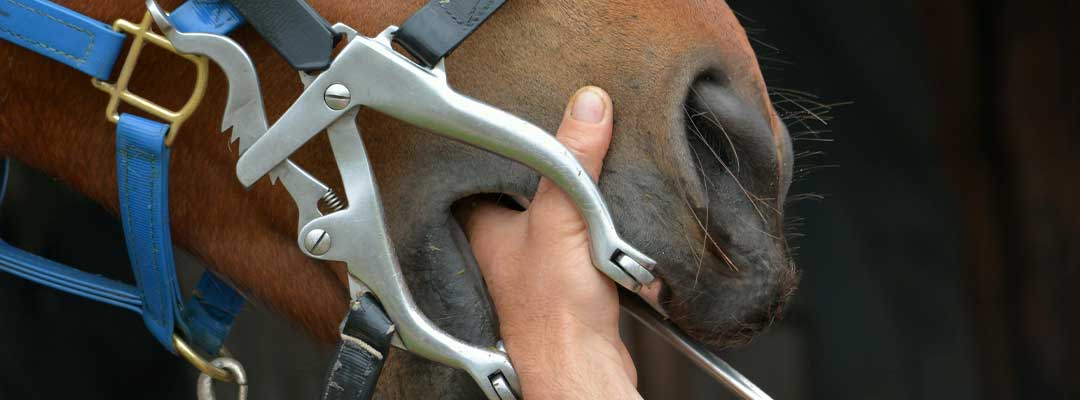
During examination, veterinarians use a full mouth speculum. A full mouth speculum is a piece of equipment that fits onto a horse’s head, similar to a bridle, with mouth plates that fit between the front teeth to hold a horse’s mouth open. This allows for a more complete visualization and palpation of most aspects of the teeth.
Equine dental care, horse vaccinations and horse wormers all play an important role in their overall health and wellness.
About the author: This content was originally provided by Zoetis, and Jeff Hall, DVM, senior equine technical services veterinarian for Zoetis, with minor additions included from Valley Vet Supply.
This article originally appeared on Valley Vet and is published here with permission. Valley Vet Supply was founded in 1985 by veterinarians for people just like you - people who want the very best for their four-legged friends and livestock.
All photos courtesy of Valley Vet.
There are more informative articles in our section on Health & Education. While you're here, take a look at our Curated Amazon Store.
- Midnight Snacks: When Do Stalled Horses Eat During the Night?
- 5 Tips About Equine Vaccines
- Five Things About Performance Horse Gut Health
- Using Ultrasound to Diagnose SI Joint Disease in Horses
- Hemp Hurd Bedding for Horses
- What Pasture Snacks Mean for Horse Health
- How would you help a rider who struggles with combinations?
- Descending Gymnastics: Why Ending Smaller Can Be Smarter
- Horse Management Survey Results: A Nutritionist’s Perspective
- Six Key Questions About Platelet-Rich Plasma for Horses
- Potomac Horse Fever
- Drinking Behavior of Horses: Six Facts About Water Intake
- Protein and Muscle Recovery for Performance Horses - an excerpt from Helping All Horses Live Healthier Lives
- Evaluating Horses for Back Pain
- Is Pasture Grazing Safe This Summer for Your Insulin-Resistant Horse
- Chewing Halters: A New Tool to Track Ingestive Behavior and Optimize Welfare
- Barn Construction: 7 Principles to Reduce Fire Risk
- Top 3 Causes of Barn Fires
- Rope Halter Safety and Adjustment with Julie Goodnight
- Crafting Diets for Easy and Hard Keeper Horses - an excerpt from Helping All Horses Live Healthier Lives