



Health & Education
We all want the best care possible for our horses. The Heath & Education section covers both Learning Institutions, Organizations as well as many sources for equine assistance including Veterinarians and Farriers.
For those who want a to formally study horses, the Education section includes College Riding, Equine Studies, and Veterinary Schools. Learn about the wide variety of horses in the Horse Breeds section. Supplements and Treatments Therapy are also included in the section.
Everyone can learn from Fine Art and there are some specialty Museums that might surprise you.
Horses as a therapy partner enrich the lives of the disabled. These facilities are listed in our Therapeutic Riding section. To help children and young adults build confidence and grow emotionally, please see the resources available on the Youth Outreach page.
Looking for a place to keep your horse? You can find it in the Horse Boarding section. Traveling? Find a Shipping company or Horse Sitting service if your horse is staying home!
Want to stay up to date with the latest training clinics or professional conferences? Take a look at our Calendar of Events for Health & Education for the dates and locations of upcoming events.
Do we need to add more? Please use the useful feedback link and let us know!
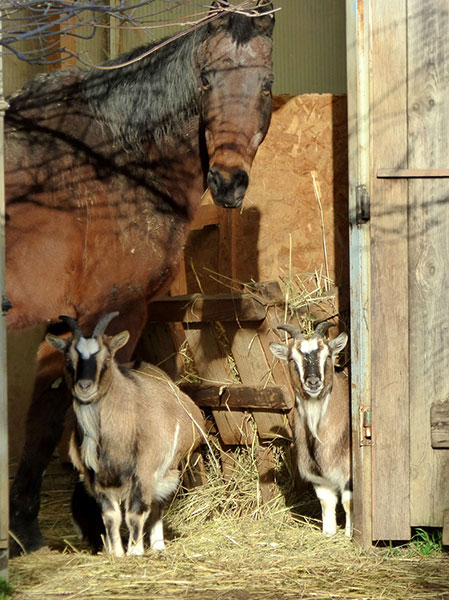
Caring for your horse's teeth through regular dental floats with a veterinarian can keep them on their best behavior.
“Could dental pain be the culprit for your horse’s behavioral problems?” asked Jeff Hall, DVM, senior equine technical services veterinarian with Zoetis.
A study published in the Journal of Equine Veterinary Science established a link between common equine behavior problems and abscessed cheek teeth. Periapical infections or abscessed cheek teeth are common in horses and will usually induce pain that is displayed in your horse’s behavior. According to the research, half of the cases of periapical infections were diagnosed during routine dental examinations, indicating that horse owners were unaware of the association between undesirable behavioral patterns of their horses and dental pain.
Behavioral Problems Linked to Tooth Pain
Common behavioral signs associated with cheek teeth abscesses fall into three main categories.
Eating and drinking
- Eating slowly or taking frequent pauses while eating hay
- Turning his head while eating or dropping hay or grain from his mouth
- Dipping hay in water or avoiding drinking cold water
Bit-related
- Evading the bit
- Headshaking, lolling tongue or opening his mouth when ridden and/or driven with a bit
- Rein contact worse on one side of the mouth
- Resistance to bridling
General
- Withdrawn, intense stare, aggressive behavior or self-harm to his head
- Avoiding social interaction with other horses and people
- Bad-smelling breath
- Poor performance, such as a decline in athletic ability
If your horse is expressing any of these behavioral signs, work with your equine veterinarian to conduct an annual oral and dental examination. Depending on your horse’s age, level of performance and overall condition of the teeth, additional examinations throughout the year may be needed.
What to Expect During a Dental Exam
“I find that horse owners are sometimes hesitate to schedule annual dental exams because they are unsure about what goes into an exam and what their horse will experience,” Dr. Hall said. “Dental exams are a safe, routine procedure that should be conducted by your veterinarian proactively every year.”
A thorough dental exam can take between 10 to 30 minutes and includes:
- An assessment of external structures of the horse’s head and soft tissues (e.g., lips, cheeks and lymph nodes)
- An examination of internal structures (e.g., tongue, palate, gums and cheeks)
- The visualization and palpation of teeth
During examination, veterinarians use a full mouth speculum. A full mouth speculum is a piece of equipment that fits onto a horse’s head, similar to a bridle, with mouth plates that fit between the front teeth to hold a horse’s mouth open. This allows for a more complete visualization and palpation of most aspects of the teeth.
Equine dental care, horse vaccinations and horse wormers all play an important role in their overall health and wellness.
About the author: This content was originally provided by Zoetis, and Jeff Hall, DVM, senior equine technical services veterinarian for Zoetis, with minor additions included from Valley Vet Supply.
This article originally appeared on Valley Vet and is published here with permission. Valley Vet Supply was founded in 1985 by veterinarians for people just like you - people who want the very best for their four-legged friends and livestock.
All photos courtesy of Valley Vet.
There are more informative articles in our section on Health & Education. While you're here, take a look at our Curated Amazon Store.
by Kentucky Equine Research Staff
Many performance horses are exercised at sun-up or earlier. Think about racehorses in training or show horses schooling before early-morning classes. The horses are pulled from their stalls, groomed, and tacked up; trainers and riders discuss the training plan for this daybreak bout of exercise. But does the groom, rider, or trainer think about the horse’s gastric well-being at that time? Maybe, maybe not.
When horses are exercised on an empty stomach, gastric acid splashes onto the squamous, or upper, portion of the stomach. Repeated exposure of gastric acid to this sensitive tissue can increase the risk of gastric ulcers. Prolonging hay consumption into the early morning hours can help protect performance horses from these ulcers. But when do horses eat during the night? Do they consume more hay before or after midnight?
To better understand nighttime feeding patterns, scientists at Kentucky Equine Research recorded horse behavior using two technologies: chewing halters and overhead cameras. They presented hay in various ways (one hay net or two and hay nets in different positions) to determine whether these configurations affected intake behavior.
The researchers outfitted six horses with chewing halters from 7:00 p.m. to 7:00 a.m. and fed them hay equal to about 1.26% of their body weight while stalled. In the first phase of the study, they placed hay in either one hay net or split the hay between two hay nets, positioning the top of each net parallel to the horses’ withers. In the second phase, they tested two positions of hay nets. One treatment included a hay net at withers height, and the second treatment involved a hay net placed much lower, nearly at ground level.
The chewing halters allowed the team to measure how long the horses spent chewing throughout the night, while the overhead cameras revealed when the hay nets became empty.
“Offering hay in different configurations—one net or two, hay net hung high or low—did not affect time spent eating overnight when a limited amount of hay was offered, as it was in this study,” said Ashley Fowler, Ph.D., director of research at Kentucky Equine Research. Most horses steadily consumed their allotted amount of hay until it was gone, with few horses taking significant breaks from eating.
In this study, the researchers stalled the horses to allow easy camera monitoring. Horses in other living situations may benefit from multiple feeding stations. According to Fowler, “We did not observe any advantage to hanging two hay nets instead of one in this study. In larger enclosures, such as dry lots, using multiple hay nets may encourage horses to walk between foraging locations. Horses that need to lose weight may benefit from increased movement.” Even more movement can be encouraged by placing water sources far from forage stations.
Fowler and her colleagues at Kentucky Equine Research are fine-tuning a follow-up study that will allow free-choice access to hay. “If horses are given free access to hay, we believe they will take more breaks during the night to rest, and there may be short bouts of eating rather than one long eating period, as seen in this study,” she said.
Reprinted courtesy of Kentucky Equine Research. Kentucky Equine Research is an international equine nutrition, research, and consultation company serving horse owners and the feed industry. Our goals are to advance the industry's knowledge of equine nutrition and exercise physiology, apply that knowledge to produce healthier, more athletic horses, and support the nutritional care of all horses throughout their lives. Learn more at Kentucky Equine Research.
There a more informative articles in our section on Health & Education. While you're here be sure to visit our Curated Amazon Store.
by Kristin Pitzer
Western performance horse riders generally enjoy showing off what their horses can do by traveling to events and competing against others that love their sport. At bigger shows, this often means that people and horses from all around the country must come together under one roof, sharing cross ties, wash racks, tie rings, etc. When your horse is around other horses, though, it is possible for it to be exposed to diseases that it wouldn’t have picked up in its home environment.
This is where equine vaccines come in. Vaccines help prepare the immune system to respond quickly when a horse is exposed to an infectious agent. While they don’t guarantee complete prevention, vaccines can lessen symptoms and help keep from spreading highly contagious diseases.
Quarter Horse News asked Geneve Dundas, DVM, who owns Dundas Veterinary Services PLLC in Fort Worth, Texas, for recommendations on vaccinating horses, especially when preparing to haul to an event.
Vaccinate All Horses With Core Vaccines
According to American Association of Equine Practitioners (AAEP) guidelines, all horses should be immunized with four core vaccines each year: tetanus, West Nile Virus and Eastern and Western Equine Encephalomyelitis (EEE and WEE). Rabies is also considered a core vaccine in some parts of the country, depending on county regulations and rules.
Vaccinating horses against these diseases is important because your horse can become infected even if it never leaves its home property. WEE and EEE are primarily contracted through mosquitoes and ticks; rabies exposure occurs through the bite of an infected animal; tetanus is present in feces and abundant in the soil; and West Nile Virus is transmitted by mosquitoes from birds to horses. All four diseases are deadly, and vaccines are instrumental in preventing infection.

“These vaccines are necessary to aid these animals’ immune systems in fighting and modulating the severity of these diseases,” Dundas said. “Tetanus has an 80% mortality rate, EEE and WEE encephalitis are very devastating if not fatal, and rabies is fatal and communicable to humans. Some can recover from West Nile but often are no longer rideable, and severe cases result in patients that are a danger to themselves or others due to neurological symptoms.”
Take Extra Care With Show Horses
Even if your horse is vaccinated annually with the core vaccinations, you should ask your veterinarian about additional prevention if you’re planning to haul to shows. There are other highly-communicable diseases that can spread via horse-to-horse contact, and due to the layouts of stalls at showgrounds, many horses often share the same space. Hauling your horse can also stress its immune system, making it more susceptible to illness.
“Show horses travel a great deal and are exposed to many other horses, animals and environments,” Dundas said. “The stress of trailering, being stalled and showing means their immune systems are often fighting off a great deal of organisms, and stress can suppress the immune system. Vaccines aid them in staying healthy.”
One additional vaccine that is often mandatory for show horses is the flu/rhino vaccine, which protects against equine influenza and equine herpesvirus.
EHV Is Highly Contagious

Equine herpesvirus, or EHV, is a DNA virus found in most horses. This family of viruses is named by numbers, and EHV-1, -3 and -4 pose the most health risks for domestic horses, according to the AAEP. Usually, infected horses see no serious side effects, but sometimes, for reasons unknown, one might develop a fatal neurological form called equine herpesvirus myeloencephalopathy.
EHV-1 and EHV-4 in particular are the most common species of EHV. EHV-1 can cause abortion, respiratory disease and neurologic disease, and EHV-4 can cause a nonfatal upper respiratory tract disease in foals. The viruses are spread by direct horse-to-horse contact via nasal secretions or through contact with physical objects that are contaminated.
Showgrounds can be a hotbed for EHV contagion: feed buckets, water buckets, grooming equipment, tack, trailers, and even your hands and clothing could all be contaminated if touched by a horse that is infected. The AAEP recommends that performance horses be vaccinated for EHV every six months, as vaccinated horses are more likely to produce a strong immune response without having clinical signs of the disease.
Flu Vaccines Should Also Be Given Every Six Months

Equine influenza is also highly contagious and spreads via aerosolized droplets when an infected horse coughs. It can also survive on objects in the environment, much like EHV.
Equine influenza can cause respiratory disease, including fever, edema, enlarged lymph nodes and nasal discharge. Horses that are immunosuppressed, such as those that are on the road often hauling for World titles, can have an increased risk for infection and developing more severe symptoms.
Flu vaccines can offer protection against certain strains of equine influenza, but because the duration of that protection is limited, boosters should be given every six months. While some vaccines are given intramuscularly, there is also an intranasal vaccine that can achieve more rapid protection, which can be particularly useful in an equine influenza outbreak.
Take Additional Measures
Vaccinations are a good place to start your defense against communicable equine diseases, but there are other practices you should follow to keep your horse as safe and healthy as possible when on the road, Dundas said. For one, let your horse have as little contact with other horses as possible, especially when using communal facilities and equipment.
“Isolate as best as you can from other horses not from your barn — no touching noses, no sharing water troughs or buckets. Bring your own clean ones,” Dundas said. “When you fill buckets, don’t put the hose in the bucket. Instead, hold it over so the hose doesn’t get submerged.” Dundas also suggested stalling your horses near barn doors for better airflow and cleaning stalls two or more times per day to keep ammonia from building up, which will protect your horse’s lungs. Low-dust shavings, steamed hay and immune-boosting supplements can also be good ways to protect your horse’s immune system, provided those option work with your horse’s diet.
by Kristin Pitzer
The life of a performance horse can be unusual, compared to non-performance horses. Show horses tend to travel frequently, can have inconsistent meal and water times, and are often subjected to high pressure situations, such as making the finals at an upper-level event or competing multiple times in a day.
It comes as no surprise, then, that the stress of such a lifestyle can subject these horses to gut health issues. Not only can these problems put a damper on a horse’s career, but they can also become serious quickly and take time to overcome.
Quarter Horse News spoke with Thomas Kellerman, DVM, of Brazos Valley Equine Hospitals in Navasota, Texas, to get more information about performance horse gut health.
Forage Is Instrumental for Good Gut Health
Horses were built to graze and eat frequent small meals throughout the day, so their stomachs constantly produce acid to digest all the plant matter they ordinarily would consume. Most horses in training and showing programs don’t have the luxury of constant intake of food, though.
Instead, modern management practices usually require them to eat two large meals of grain a day, but if a horse’s diet is lacking in forage, it can create many health issues.
“Frequent intake of forage helps to maintain gastric health in particular,” Kellerman said. “Nutritionists typically recommend a minimum of 1.5 to 2% of a horse’s body weight be fed in quality forage on a dry matter basis per day. Ideally, that amount of forage should be split into at least two feedings per day.”
“Forage” could mean pasture, assuming the pasture has good grass and isn’t a dry lot or full of weeds; grass hays, like coastal, Bermuda or Timothy; or alfalfa hay.
While experts agree that horses generally require long-stem forage to slow overall consumption and increase the amount of fibrous bulk that moves through the gut, horses that have dental or respiratory issues, such as equine asthma, may not be able to handle it.
Providing these horses with hay pellets, cubes or beet pulp can help them meet their fiber needs while protecting their stomachs from acid.
Gastric Ulcers Are Common
Even if a horse is eating plenty of forage, there are other things, like the stress of traveling and showing, that can lead to stomach ulcers. These are erosions in the lining of the stomach, varying from small, superficial single lesions to multiple large defects.
It is estimated that 50 to 90% of horses have experienced a stomach ulcer at some point in their lives.
Horses with stomach ulcers may show signs of colic, ill-thrift or pain-related behavioral issues. Once diagnosed, they are typically treated with a 28-day course of omeprazole, which blocks stomach acid production. Some horses require up to 60 days of treatment, depending on the severity of the ulceration.
“There is very rapid turnover of the proton pumps, which is why we treat horses with diagnosed gastric ulcer disease daily to keep the stomach pH higher, or less acidic, than it normally would be without treatment,” Kellerman said.
“Horses can also develop ulceration in the glandular stomach, which is constantly exposed to gastric fluids. Horses that develop glandular disease are sometimes treated with sucralfate, which almost acts like a liquid bandage to coat the healing tissues, as well as misoprostol, which is a prostaglandin analogue to increase mucosal blood flow.”
Other Gut-Related Diseases Can Pose Problems
While stomach ulcers are a common gut problem in horses, they aren’t the only concern. Colic is another major issue. There are many things that can cause a horse to colic, but research shows that going for several hours without water, staying stalled without turnout, eating a diet that is high in grain and changing environments often — all things that affect show horses — can greatly increase the risk.
Colitis and inflammatory bowel disease also play an important role, especially in horses of performance age. Additionally, certain infectious diseases can affect the horse’s gut, along with parasites, inflammation and tumors. Any time your horse is acting abnormal warrants a call to your veterinarian, but if you see certain symptoms, it’s highly possible something in the gut is the culprit.
“Colic, anorexia, difficulty maintaining body condition, reaction to girthing and behavioral issues are all signs that would cause me to look at a horse’s gastric health,” Kellerman said.
Gut Health Extends Beyond the Stomach
When equestrians think of gut health, they tend to focus solely on the gastric aspects. After all, the stomach plays a large role in a horse’s well-being, and it’s also easy to visualize with a gastroscope, Kellerman said. But a horse’s gut health goes beyond the stomach.
“Every portion of the equine gut plays an important role in their overall health from nose to tail,” Kellerman said. “Even though the small intestine and colon are more difficult to directly examine, they still play a vital role in a horse’s health.
Issues such as right dorsal colitis from long term NSAID use, and infectious causes of colitis, such as Salmonella or Clostridial enteritis, can have a massive impact on horses if they develop diarrhea.”
Sand accumulation in the colon, which is often cleared through the use of psyllium supplementation, is common in some parts of the country and can lead to sand colic, chronic diarrhea and weight loss. Veterinarians are also discovering how the use of prebiotics and probiotics can support the horse’s large colon health.
A recent area of interest, Kellerman added, is the horse’s microbiome, or natural population of bacteria in their gastrointestinal system, and using polymerase chain reaction (PCR) testing to target individual therapies to specific horses.
Prevention Is the Best Plan for Performance Horses
You can’t completely prevent stress if your horse is frequently on the road traveling to shows or rodeos, but there are still management strategies you can utilize to prevent ulcers and other gastric diseases. Kellerman likes to give a preventative dose of UlcerGard to horses to help them mitigate the pressure of being on the road.
There are also products available on the market that help buffer stomach acid and chemically decrease the acid content of the stomach for a period of time. Keeping a supply of forage in front of your horse on the trailer and in his stall can also keep stomach acid from building up and creating sores.
When on the road, taking several short breaks to give water, rather than powering through the drive, may keep colic at bay. And, by allowing your horse to have mental breaks at shows, even if it’s just to hand graze for a few minutes or walk around to see other horses, you can keep his stress levels down and his mental health stable.
This article originally appeared on Quarter Horse News and is published here with permission.
There are more informative and entertaining articles in our section on Health & Education. While you're here be sure to check out our Curated Amazon Store.
by Kentucky Equine Research Staff
Transrectal ultrasound can reveal pathologic changes in the sacroiliac (SI) joint, including problems that may be present in horses that owners perceive as sound. Although ultrasound only images the caudal portion of the SI joint, or the section nearest the tail, one study found that changes detected in this region were representative of structural changes throughout the entire joint.* Based on these findings, the researchers concluded that transrectal ultrasound is a valuable first-line diagnostic tool for assessing SI pain.
The SI joint is the articulation between the transverse processes of the first and second sacral vertebrae and the wings of the ileum. The sacral vertebrae are located at the base of the spine within the pelvis, just before the bones of the tail. Horses have two SI joints, one on the right and left side of the pelvis. Like any joint, horses can suffer injury and pain at this point, resulting in poor performance.
“Diagnosing SI pain can be challenging for veterinarians, as lameness from the SI joint can appear similar to thoracolumbar or lumbosacral pain, mild hind limb lameness due to proximal suspensory ligament inflammation, or even mild ataxia. Further, the joint is deep in the body, making it challenging to image,” said Kathleen Crandell, Ph.D., a nutritionist for Kentucky Equine Research.
During any musculoskeletal disease workup, ultrasound is a powerful diagnostic tool. In the case of the SI joint, however, transrectal ultrasound can only reach the caudal third of the SI joint. In a study by Mathys and colleagues, 25 SI joints from 15 Warmblood horses with no owner-reported lameness were examined by both computed tomography and ultrasound. Abnormalities were observed in 100% of SI joints using computed tomography and 92% of SI joints using ultrasound. Changes included osteophytes (abnormal bone growth in a joint secondary to osteoarthritis), joint effusion (fluid accumulation), sclerosis, subchondral bone lesions, and evidence of bone remodeling. Computed tomography images included the entire joint, and researchers found that the most severe changes occurred caudally, with only about one-quarter of the changes occurring cranially (the part of the SI joint closest to the head).
“A significant correlation between computed tomography findings in the caudal aspect of the joint and the entire joint was noted, meaning that the pathologic changes observed in the caudal one-third represent the changes in the entire joint in almost half of all horses. Examining the caudal one-third of the joint reachable by transrectal ultrasound, a much more economical and widely available diagnostic tool than computed tomography, can be used as a first-line tool to assess the SI joint,” explained Crandell.
As noted by the researchers, the abnormalities reflect joint remodeling, which means that strategies used to optimize joint health in other areas of the body, such as the stifles, hocks, knees, and ankles, also apply to the SI joint. Consider prophylactically administering oral joint health supplements to horses before signs of disease manifest. Kentucky Equine Research offers research-proven joint supplements containing a combination of glucosamine, chondroitin sulfate, and hyaluronic acid.
“This is important because the owners of the horses included in this study did not report any sign of lameness, yet almost all the horses had abnormalities of the SI joint diagnosed by computed tomography and/or ultrasound in this study. SI joint disease is highly prevalent and, while it may be part of normal aging or adaptation to training, taking steps to support these joints may allay performance issues,” advised Crandell.
<*Mathys, R.A., T.R. Schmitz, H. Geyer, N. Borel, M. Hilbe, S. Ohlerth, and A.S. Bischofberger. 2023. Multi-detector helical computed tomography, transrectal ultrasonography, and histology of the sacroiliac joint: A comparative study in adult Warmblood horse cadavers. Animals (Basel) 15(13):1995.
Reprinted courtesy of Kentucky Equine Research. Kentucky Equine Research is an international equine nutrition, research, and consultation company serving horse owners and the feed industry. Our goals are to advance the industry's knowledge of equine nutrition and exercise physiology, apply that knowledge to produce healthier, more athletic horses, and support the nutritional care of all horses throughout their lives. Learn more at Kentucky Equine Research.
There a more informative articles in our section on Health & Education. While you're here be sure to visit our Curated Amazon Store.
by Kentucky Equine Research Staff
The type of bedding you provide affects your horse’s health and comfort, as well as your bottom line. From straw and pine shavings to paper and peat moss, the perfect bedding has yet to be discovered. One of the most recent options available is hemp hurd, a byproduct of hemp fiber production.
Two studies presented at the 2025 Equine Science Symposium examined the physical characteristics of hemp hurd and its potential as a horse bedding material.*,**
A research group from the University of Kentucky investigated the water-holding capacity, bulk density, and ammonia-binding capacity of several fiber-type hemp hurd varieties. The study found differences in physical characteristics based on variety and particle size (large vs. small), suggesting that some types of hemp hurd may be better suited for bedding than others.
The second study compared the water absorbency and fecal coliform (Escherichia coli) counts of hemp hurd bedding with two commonly used alternatives: pine shavings and cut straw.
To measure fecal coliform levels, each bedding type was mixed with manure and dissolved urea (simulating urine), then composted for one week. The compost mixtures were submerged in water to create a “compost tea,” which was tested for E. coli using colony-forming units (CFU) as the measurement. Cut straw produced the highest CFU counts (i.e., more E. coli), while hemp hurd resulted in the lowest.
To evaluate absorbency, all three beddings were soaked in water, drained, and weighed. Hemp hurd was twice as absorbent as pine shavings and only slightly less absorbent than cut straw.
“These studies highlight the positive attributes of hemp hurd as a bedding for horses. Further research on the use of hemp hurd bedding in practical and commercial settings is warranted,” said Catherine Whitehouse, M.S., a nutrition advisor for Kentucky Equine Research.
“Don’t ignore the importance of bedding selection to optimize horse comfort and health, waste disposal and management, as well as barn hygiene. Appropriate bedding selection is particularly important for horses with equine asthma,” said Whitehouse.
Do you have questions about the best management and nutritional strategies for horses with equine asthma? Contact a Kentucky Equine Research nutrition advisor to learn more.
*Lee, A., A. Endfinger, R.C. Pearce, and L.M. Lawrence. 2025. Physical characterization of hemp hurd varieties to assess suitability as bedding. Journal of Equine Veterinary Science 148:105553
**Williamson, K., A. Jaqueth, K. Ely, G. McGlinch, and S. Jacquemin. 2025. Potential of hemp hurd bedding for use in equine operations. Journal of Equine Veterinary Science 148:105436.
Reprinted courtesy of Kentucky Equine Research. Kentucky Equine Research is an international equine nutrition, research, and consultation company serving horse owners and the feed industry. Our goals are to advance the industry's knowledge of equine nutrition and exercise physiology, apply that knowledge to produce healthier, more athletic horses, and support the nutritional care of all horses throughout their lives. Learn more at Kentucky Equine Research.
There a more informative articles in our section on Health & Education. While you're here be sure to visit our Curated Amazon Store.
Horses don’t just munch on grass and call it a day.
They’ll wander a bit first, sniffle stuff around, nibble a little, and sometimes latch onto the same little patch like it’s the most delicious thing they’ve ever tasted. One horse might be really into clover, the other will hunt down every last dandelion – some horses even like mint or wild herbs. A pasture is to a horse what a buffet is to you.
But, as tasty as some buffets can be, they aren’t exactly healthy. Well, some are. But not all of them. This has much to do with the fact that some snacks are full of ‘the good stuff’, while some are just packed with nasties.
So this article is for you, the owner, so that you can see (and pay close attention) to the difference between which food is safe, and which isn’t.
Nutritional Impact of Common Pasture Snacks
As humans, horses are picky eaters. They won’t just eat any old grass that’s in front of them. Sure, they will if they HAVE TO. But only so in order to survive. You can be sure they won’t be happy about it. Not one bit.
In order to create healthy (and tasty) snacks, you need to put in the ‘good stuff’ into them (e.g., clover, dandelions, plantains, chamomile, mint, etc.).
This variety is very good for horses because it keeps their digestive system active the way nature intended. If the snack is tasty and healthy, then the horse is happy. This means less stress.
As far as nutritional values, these types of natural snacks are different from carrots, apples, and packaged treats you might usually give them. Pasture snacks have subtle amounts of vitamins and minerals, but because they graze, horses get them in steady amounts.
Hand-fed treats, on the other hand, are sweeter, and they’re given in bursts. Both are good and both deserve to have their place, but their roles aren’t the same.
This is why you’ll see a lot of horse owners browsing horse stalls for sale online to look and ask for features that make feeding routines easier to manage (e.g., safe hay racks, well-placed feed doors, etc.).
Safe Pasture Snacks vs. Risky Ones
Not every plant on the pasture is safe for your horse, so let’s see what’s okay, what’s risky, and what to be especially careful with.
Safe Snacks
There’s a good number of plants horses can safely eat while they’re grazing. Clover is one of the most common ones, and it’s very beneficial because it’s full of protein, which supports muscles and overall condition. Dandelions are another excellent choice, although many people see them as nothing more than weeds.
They’re packed with vitamins A and C, as well as minerals like calcium and potassium (great for bones and healthy teeth). Horses find them delicious, and they’re surprisingly healthy.
Wild herbs like plantain and chamomile have small digestive or even calming benefits. Mint is another herb that’s pretty popular with horses, but it’s not a big source of nutrition. Still, it’s safe and refreshing.
Risky Snacks
Even safe snacks can become risky if they’re eaten in excess, so make sure your horse always snacks in moderation.
Clover – safe in moderate amounts – is dangerous if a horse eats too much. It can cause slobbers, which is a condition caused by a fungus that (sometimes) grows on clover.
Lush spring grass is risky from the start because it contains a lot of sugar, which can trigger laminitis in sensitive horses.
Buttercups are another risk, although a lot of horses avoid them because they’re bitter. They’re actually mildly toxic if they’re eaten fresh, and they can irritate the digestive system.
Acorns are a seasonal risk in areas with oak trees. Some horses ignore them, but others will eat enough of them and cause serious poisoning. Horses are naturally curious, but this curiosity sometimes endangers their health.
Plants You Need to Be Careful with
Weeds and wild plants should never be a part of a horse’s diet.
Ragwort, horsetail, bracken fern, and yew are examples of toxic plants. Horses usually avoid them if they have plenty of good forage to eat, but if grazing is limited, they might start nibbling on something toxic simply because they’re bored.
Hunger, of course, would be the other reason.
Even small amounts of these plants can cause serious and long-term damage, so make sure to walk past pastures regularly and remove anything that might be dangerous.
Conclusion
Horses don’t care about nutrition labels and feed charts. As picky as they are, they would sometimes wander into a junk food aisle (if you’d let them) and make themselves sick. Think of them like big children. Would you leave it up to them to pick what they want?
Sure, in nature, they’d have no trouble eating what nature has intended them to eat. But here, in civilization, they’re constantly surrounded by a lot of different options – some of which aren’t that great for them, with some even being outright dangerous.
Remember that it’s up to you to prevent this, and every acorn they eat IS ON YOU. Every digestive problem a wild plant causes is also on you.
Do you research and inspect the pastures regularly to keep your horse(s) safe and happy.
There are more interesting articles in our section on Health & Education.
How would you help a rider who struggles with measuring and riding through in-and-outs or combinations?
Each week we ask trainers a question and gather their answers for you. These trainers have a range of experience, backgrounds, and focus points of their programs, so the answers have as much variation as you would expect and also probably much more similarity.
This week’s question posed is: How would you help a rider who struggles with measuring and riding through in-and-outs or combinations?
Here are their answers:
“The key to measuring correctly into an in-and-out (or any related distance) is to measure to the out element. On the approach, the rider should set their sight to the top/back rail of the out and the focal point in one big plane of vision. Keeping eyes set through the in, count and measure from the same quality canter rhythm. If you measure to the out, you’ll always find a reasonable distance to the in!” -Claire Gordon-Neff
Read more from Claire here.
“I’d begin with just a simple one-stride, helping the rider understand how their horse relates to two fences at a time. Once that feels consistent, we’d build into longer combinations. As they ride through, I’d have them count strides out loud, it keeps them present, prevents getting lost in the line, and naturally encourages breathing. Most importantly, I’d remind them to ride the stride they feel, since every horse has its own rhythm and balance.” -Katie Jones
“I find that the most common habit from riders approaching combinations is pulling when they second-guess their eye. We’ve all been there! Not seeing the right distance into the combination or in-and-out, and then adding a stride in and having a launch distance or bad chip out, even a refusal.
A trick that I find helpful is to have riders count down from 3 to the first jump (3-2-1) so they don’t have the opportunity to change their minds at the last minute. Once they land in the combination, count up (1-2, or 1-2-3, etc., depending on the striding). Developing the habit of counting down in and then counting up on the way out helps riders trust their eye initially and rely on their pace, and they’re less likely to doubt themselves at the base.” -Ariel Univer
Read more from Ariel here.
“When a rider struggles with measuring and riding through in-and-outs or combinations, I like to bring the focus back to rhythm and track. Instead of overthinking the stride, I have them practice on poles and low fences where they can feel the natural step of their horse. Once the rider gains confidence in keeping a consistent pace and straight line, the distances begin to come up naturally, and measuring becomes less intimidating.” –Michael Meyers
This article originally appeared in the Trainer Tuesday Series from The Plaid Horse Magazine and is published here with permission.
There are more informative articles in our section on Health & Education.
Brought to you by With Purpose: The Balmoral Standard
When most riders picture a gymnastic line, they think of building height as they go. Start small, get the horse organized, and finish with the biggest effort. At Balmoral, however, Carleton and Traci Brooks often flip this expectation. Instead of finishing on a high oxer, they sometimes end with the smallest jump in the line. Why? Because not every horse benefits from ending on a higher jump.
Rethinking the Traditional Gymnastic
Traditional gymnastics are designed to build confidence, strength, and technique. A classic line might begin with a crossrail, then an oxer, then a vertical that gradually gets taller. By the end, the horse is meant to feel successful at a greater height and effort.
But what about the horse that builds too much? The hot one who gets quick through the line, or the green horse who begins to worry? For these horses, finishing big can create anxiety instead of confidence. That’s where descending gymnastics, ending with the lowest fence, come in.
Who Benefits Most
Descending gymnastics are particularly useful for:
- Hot Horses: The kind that rush down lines, throwing their rider onto the defensive.
- Young Horses: Those still learning the ropes, who need to end on a calm, positive note.
- Tense Horses: The ones who start anticipating, bouncing through the line with more adrenaline than rhythm.
- By finishing with a small fence, these horses settle down, take a breath, and learn that not every line ends with maximum effort.
Building the Line
A typical descending gymnastic might start with a crossrail, build to a small vertical or oxer in the middle, and then drop back down to a crossrail at the end. The line still serves its purpose, teaching straightness, encouraging bascule, and keeping the rider focused, but the finish is soft.
This kind of exercise tells the horse: you don’t need to escalate every time. It conditions them to stay rideable and quiet, rather than anticipating a big finish.
What Riders Learn
Descending gymnastics aren’t just for the horse’s benefit. They also teach riders valuable lessons:
- Resist the Urge to Chase: Riders often push harder as jumps get bigger. Ending small reinforces patience.
- Ride the Rhythm, Not the Height: With the last fence tiny, the focus shifts to pace and track instead of “surviving” the finish.
- Learn to Relax, Too: Just as the horse takes a breath at the end, the rider practices letting go of tension.
Avoiding the Trap of Bigger = Better
It’s easy to assume progress means raising fences higher and higher. But Balmoral’s philosophy reminds us that not all horses, or riders, thrive under that model. Sometimes, progress looks like stepping down, using thoughtful exercises to teach relaxation instead of escalation.
In the Show Ring
A horse that’s trained with descending gymnastics often shows a noticeable difference in the ring. Instead of charging the last element of a combination, they stay soft through the finish. Instead of expecting every question to get harder, they stay open to listening. That difference can be the margin between a rushed, tense round and a polished, winning trip.
Not every gymnastic needs to build to a grand finale. By finishing small, riders can teach their horses to stay calm, confident, and consistent. And in the long run, that foundation of rideability will carry far more value than one big jump at the end of a line.
Want to take your riding and horsemanship to the next level? With Purpose: The Balmoral Standard distills decades of wisdom from Carleton and Traci Brooks into practical, thoughtful lessons you can apply every day at home, in the schooling ring, and in the show ring. From training philosophies to mental game strategies, the book offers riders of every level a blueprint for success built on empathy, structure, and purpose.
With Purpose: The Balmoral Standard is available on Kindle and Audible.
This article originally appeared in The Plaid Horse Magazine and is published here with permission.
There are more informative articles in our section on Health & Education.
- Horse Management Survey Results: A Nutritionist’s Perspective
- Six Key Questions About Platelet-Rich Plasma for Horses
- Potomac Horse Fever
- Drinking Behavior of Horses: Six Facts About Water Intake
- Protein and Muscle Recovery for Performance Horses - an excerpt from Helping All Horses Live Healthier Lives
- Evaluating Horses for Back Pain
- Is Pasture Grazing Safe This Summer for Your Insulin-Resistant Horse
- Chewing Halters: A New Tool to Track Ingestive Behavior and Optimize Welfare
- Barn Construction: 7 Principles to Reduce Fire Risk

- Top 3 Causes of Barn Fires
- Rope Halter Safety and Adjustment with Julie Goodnight
- Crafting Diets for Easy and Hard Keeper Horses - an excerpt from Helping All Horses Live Healthier Lives
- How Horse Show Culture Has Changed (and why it’s worth preserving)
- Listening Beyond Words: The Wisdom of Horses
- More than ‘Four on the Floor’ with Equine Guelph Horse Trailer Safety Course
- Skin Problems in Horses: Culicoides Hypersensitivity
- Osteoarthritis Pain in Horses Controlled by CBD and Related Products
- Review of Roaring & Possible New Surgical Procedure
- Encourage Horses to Drink During Transport
- Be Pro-active Rather than Reactive with Biosecurity
Our Mission — Serving the professional horse person, amateur owners, occasional enthusiasts and sporting interests alike, the goal is to serve all disciplines – which often act independently yet have common needs and values.
Equine Info Exchange is totally comprehensive, supplying visitors with a world wide view and repository of information for every aspect related to horses. EIE provides the ability to search breeds, riding disciplines, horse sports, health, vacations, art, lifestyles…and so much more.
EIE strives to achieve as a source for content and education, as well as a transparent venue to share thoughts, ideas, and solutions. This responsibility also includes horse welfare, rescue and retirement, addressing the needs and concerns of all horse lovers around the world. We are proud to be a woman-owned business.