




Health & Education
We all want the best care possible for our horses. The Heath & Education section covers both Learning Institutions, Organizations as well as many sources for equine assistance including Veterinarians and Farriers.
For those who want a to formally study horses, the Education section includes College Riding, Equine Studies, and Veterinary Schools. Learn about the wide variety of horses in the Horse Breeds section. Supplements and Treatments Therapy are also included in the section.
Everyone can learn from Fine Art and there are some specialty Museums that might surprise you.
Horses as a therapy partner enrich the lives of the disabled. These facilities are listed in our Therapeutic Riding section. To help children and young adults build confidence and grow emotionally, please see the resources available on the Youth Outreach page.
Looking for a place to keep your horse? You can find it in the Horse Boarding section. Traveling? Find a Shipping company or Horse Sitting service if your horse is staying home!
Want to stay up to date with the latest training clinics or professional conferences? Take a look at our Calendar of Events for Health & Education for the dates and locations of upcoming events.
Do we need to add more? Please use the useful feedback link and let us know!
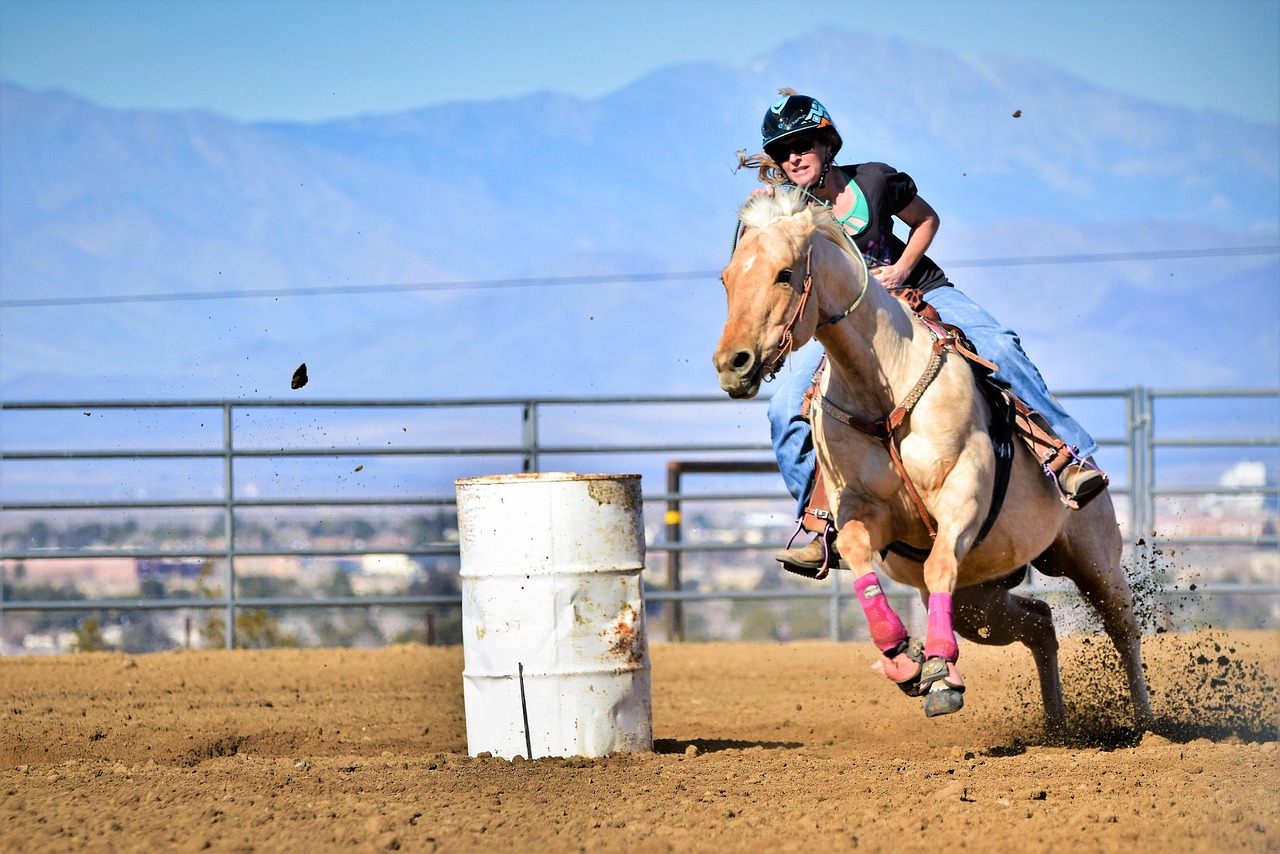
The American Quarter Horse is considered the most popular horse breed due to its extraordinary versatility, calm temperament, and historic role in the American West. These horses excel in a wide range of activities, from demanding ranch work and high-speed rodeo events to recreational trail riding and show competitions, making it a reliable and adaptable horse for both professional and family use. The American Quarter Horse Association (AQHA), which is the world's largest equine breed registry, has registered over six million horses since 1940.
Versatility and athleticism
American Quarter Horses are "all-rounders" that can excel in a wide array of disciplines, making them a practical choice for many owners.
- Western events: Their muscular and compact build is perfectly suited for rodeo events like barrel racing, roping, and cutting, where explosive speed and agility are essential.
- Ranch work: With a natural "cow sense," they are invaluable for working with cattle, a tradition dating back to the ranches of the American West.
- Racing: True to their name, they are the fastest breed over a quarter-mile distance, with some clocking speeds up to 55 mph.
- English disciplines: Though famous for their Western abilities, they also compete successfully in English disciplines like jumping, dressage, and equitation.
- Recreational riding: Their dependable nature makes them a popular choice for pleasure riding and trail riding.
Calm and trainable temperament
Quarter Horses are known for their gentle and easygoing disposition, making them suitable for riders of all skill levels. This cooperative and intelligent nature makes them an ideal choice for a wide range of uses, from competitive show horses to quiet family companions.
Deep American historical roots
The breed's long history is closely linked to the development of the United States.
- Colonial beginnings: The breed traces its origin to the 1600s, when colonists bred imported English Thoroughbreds with native Spanish horses to produce a compact, swift equine.
- Western expansion: As settlers moved west, the Quarter Horse's speed and ability to work cattle cemented its place as the iconic horse of the cowboy and the open range. This legacy continues to resonate with many horse owners today.
Largest breed registry
The sheer numbers of registered Quarter Horses reflect the breed's popularity. As mentioned, the American Quarter Horse Association (AQHA) is the largest horse breed registry in the world, with over six million horses in its registry. This large community also contributes to the breed's continued growth and recognition through shows, events, and youth programs.
For all of these reasons, we love Quarter Horses too! Learn about more Horse Breeds on EIE.
You can find more informative articles in our section on Recreation & Lifestyle. Take a look at our Curated Amazon Store for our selections in a wide variety of categories!
Interested in promoting your business or sharing content on EIE? Contact us at info@equineinfoexchange.com
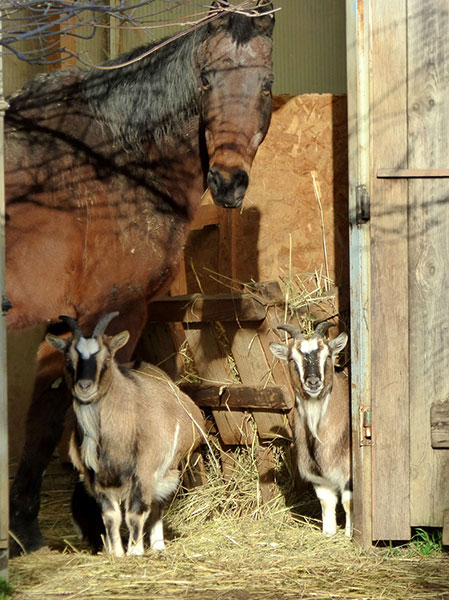
Goats are used as companions for horses primarily because of their calming presence, herd instincts, and cost-effectiveness compared to other horses. This practice is common in racehorse stables, where highly-strung and nervous horses can benefit from a goat's soothing company.
In fact, the phase, “Getting someone’s goat” is known to have racehorse roots!
One widely circulated story suggests that trainers would place a goat in the stall of a high-strung racehorse to keep it calm before a big race. Opposing trainers would sometimes steal the goat, hoping to upset the horse and cause it to perform poorly.
"Getting someone's goat," in this sense, meant intentionally causing a person or animal distress.
Calming influence
- Reduces stress: Horses are prey animals and feel safer in a herd. A goat can serve as a non-threatening and predictable "barn buddy" that reduces anxiety in a single or nervous horse. This can help curb nervous behaviors such as pacing, stall-walking, or cribbing (chewing on stall edges).
- Reliable companion: Goats tend to be steady and predictable, which can be comforting to horses, particularly young thoroughbreds in high-pressure training environments. The bond can become so strong that both animals may show signs of stress if they are separated.
Cost and convenience
- Lower cost: Keeping a goat is far less expensive than owning a second horse, which involves significant costs for food, veterinary care, and farrier work.
- Less space: For horse owners who only have enough space for one horse, a goat is a manageable addition that doesn't require a large extra pasture.
Herd animal instincts
- Natural bonding: Both horses and goats are herd animals, and when raised together, they tend to bond easily and quickly. They can become deeply attached and even protective of one another.
- Playful interaction: Goats are naturally sociable and playful creatures, which can provide entertaining and engaging company for a horse.
Pasture maintenance
- Complementary grazing: Goats are browsers, meaning they prefer to eat weeds, shrubs, and brush that horses, as grazers, typically ignore. This can help improve pasture quality by clearing out undesirable plants without competing with the horse for grass.
- Parasite control: Because horses and goats are susceptible to different internal parasites, they can safely graze together without increasing the risk of infection for either species.
Potential challenges
While often successful, using goats as horse companions is not without risks.
- Injury risk: A large horse could accidentally step on or kick a smaller goat, especially if they are not well-socialized or if the horse is territorial.
- Dietary needs: While they can share a pasture, horses and goats have different dietary needs. Goats can be sensitive to the copper content in some horse feeds, so it's important to feed them separately.
- Fencing requirements: Goats are notorious escape artists and require more secure fencing, such as woven-wire or electric fencing, than horses do.
We’ve seen many horses who welcomed a goat in their lives and it’s a way for a lonely or nervous horse to have some calm company!
You can find more informative articles in our section on Recreation & Lifestyle. Take a look at our Curated Amazon Store for our selections in a wide variety of categories!
Are you interested in promoting your business or sharing content on EIE? Contact us at info@equineinfoexchange.com
- Western Saddle Fitting 101: Tips on Proper Fit, Selecting Saddle Pads, Cinches and More
- Biggest Barriers to Human-Led Exercise in Horses
- The Importance of Canine Oral Health - Dog Dental Powders
- Ensure Your Horse's Dental Health
- Midnight Snacks: When Do Stalled Horses Eat During the Night?
- 5 Tips About Equine Vaccines
- Five Things About Performance Horse Gut Health
- Using Ultrasound to Diagnose SI Joint Disease in Horses
- Hemp Hurd Bedding for Horses
- What Pasture Snacks Mean for Horse Health
- How would you help a rider who struggles with combinations?
- Descending Gymnastics: Why Ending Smaller Can Be Smarter
- Horse Management Survey Results: A Nutritionist’s Perspective
- Six Key Questions About Platelet-Rich Plasma for Horses
- Potomac Horse Fever
- Drinking Behavior of Horses: Six Facts About Water Intake
- Protein and Muscle Recovery for Performance Horses - an excerpt from Helping All Horses Live Healthier Lives
- Evaluating Horses for Back Pain
- Is Pasture Grazing Safe This Summer for Your Insulin-Resistant Horse
- Chewing Halters: A New Tool to Track Ingestive Behavior and Optimize Welfare