





Health & Education
We all want the best care possible for our horses. The Heath & Education section covers both Learning Institutions, Organizations as well as many sources for equine assistance including Veterinarians and Farriers.
For those who want a to formally study horses, the Education section includes College Riding, Equine Studies, and Veterinary Schools. Learn about the wide variety of horses in the Horse Breeds section. Supplements and Treatments Therapy are also included in the section.
Everyone can learn from Fine Art and there are some specialty Museums that might surprise you.
Horses as a therapy partner enrich the lives of the disabled. These facilities are listed in our Therapeutic Riding section. To help children and young adults build confidence and grow emotionally, please see the resources available on the Youth Outreach page.
Looking for a place to keep your horse? You can find it in the Horse Boarding section. Traveling? Find a Shipping company or Horse Sitting service if your horse is staying home!
Want to stay up to date with the latest training clinics or professional conferences? Take a look at our Calendar of Events for Health & Education for the dates and locations of upcoming events.
Do we need to add more? Please use the useful feedback link and let us know!
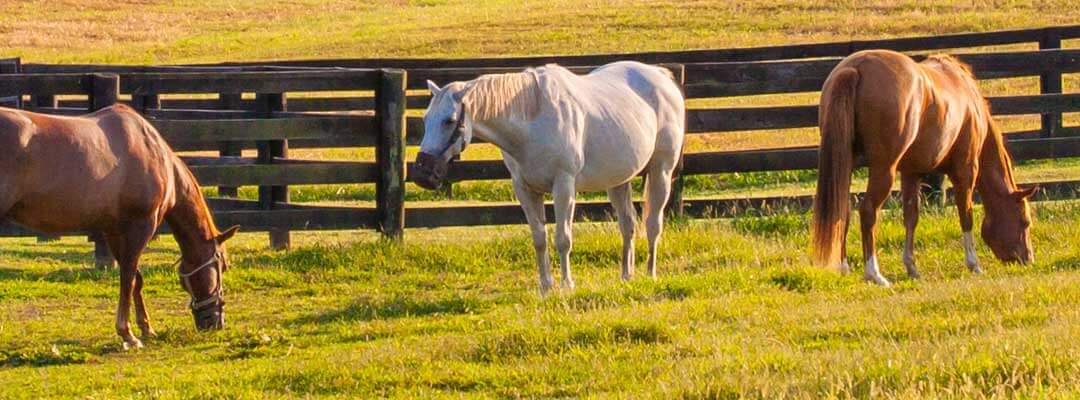
Oklahoma State University professor, Extension equine specialist details poisonous plants impacting horses, shares harrowing first-hand account
The pastures were recently cleared from overgrown trees and brush, and Kris Hiney, PhD, Oklahoma State University assistant professor and Extension equine specialist, closely looked over the brush piles to make sure no poisonous plants or trees had surfaced. "All clear," she thought as she let her two horses back into the field.
"The very next day, they were already showing toxicity symptoms," Dr. Hiney said. "It turns out I did have black locust trees in the pasture, and when the horses had a chance to get to them, it almost killed them. I called my vet and said, 'This isn't colic. This is toxicity. And I need you here now.'"
Of the two horses, one had lower tolerance to the toxic tree. His heartrate was elevated over 90 for a full 24 hours and to save his life, he required three days of supportive care in the veterinary clinic. Luckily, both horses survived, but the situation could have been life-ending, if Dr. Hiney was not familiar with poisonous plants and signs of toxicity.
There are many poisonous grasses, plants and trees that can gravely impact horse health, such as black locust trees, Johnsongrass, white clover, maple trees, locoweed, tansy ragwort and black walnut trees. Fescue grass can be toxic to broodmares and their foals, causing thickened placentas and even abortions. Look to this University of Minnesota poster for pictures of poisonous plants and to better understand signs of toxicity.
Know these common toxicity symptoms:
- Change in behavior
- Anxiety
- Depression
- Neurologic issues
- Seizure
- Abnormal gait
- Tremors
- Stocking up or founder
- Elevated heart rate
- Brown or discolored urine
- Mouth blisters
- Colic
If horse owners fear their horse might have ingested a poisonous plant, "Call a veterinarian immediately," Dr. Hiney said. "If horses do not receive the right care, toxicity can be a big deal. Death is often a real possibility."
As the weather affects forage available to horses in turnout situations (especially with summer drought or winter conditions), horses are more inclined to ingest unfamiliar plants or leaves. To help prevent plant toxicity, make sure horses have adequate rations of quality hay or grass in front of them. Dr. Hiney encourages horse owners to work closely with their county extension agent to identify potentially harmful grasses, plants or trees that may surface in their pastures. Horse owners can also invest in a spray system to eliminate unwanted plants and weeds.
"Anytime there is something novel in their pasture, horses are going to investigate it," Hiney warned. "I thought everything in my pasture was safe, but it turns out I was wrong. Be very careful, and take a look at what now is accessible to the horses, because they will take advantage."
This article originally appeared on Valley Vet and is published here with permission. Valley Vet Supply was founded in 1985 by veterinarians for people just like you - people who want the very best for their four-legged friends and livestock.
All photos courtesy of Valley Vet.
There are more informative articles in our section on Health & Education.
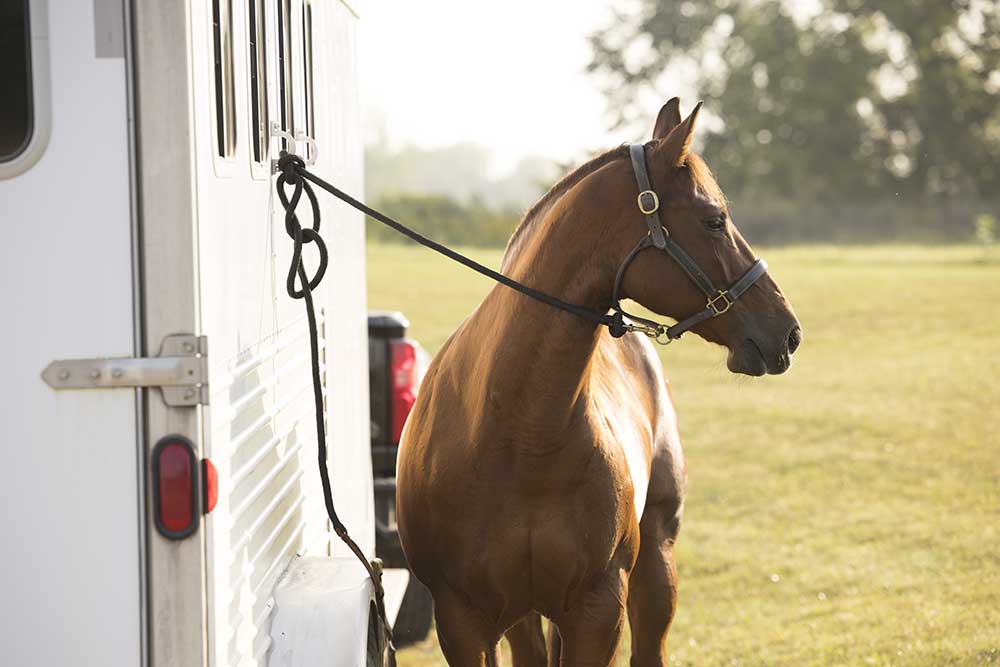
Identify causes of stress to help prevent equine gastric ulcer syndrome (EGUS)
Do you know what’s stressing your horse out? A recent survey found that an overwhelming majority of horse owners know that stress is one of the leading causes of ulcers, but only 33% can correctly identify all potential stressors when presented with a list of such.*
“Horses are prey animals, which means they naturally have a flight instinct,” says Sarah Reuss, VMD, DACVIM, Equine Technical Manager at Boehringer Ingelheim. “Many, many years ago, this was a useful survival skill, but nowadays, it can result in horses experiencing more frequent moments of stress.”
The survey found that common “big” stressors such as a change in routine, confinement in a stall and a change in a horse’s social environment are easily recognized by over 80% of horse owners. It’s the smaller, everyday moments of stress that are often overlooked.
“Many moments that may feel uneventful to a horse owner can actually feel big to their horses and, left unaddressed, can contribute to gastric discomfort,” says Reuss. “So many things that we think of as normal can actually be causing our horses stress.”
According to the survey, some of the commonly unidentified stressors are training, change in turnout and traveling.
Training
For many horse owners, riding and training is a part of daily life. However, any change in training routine can potentially cause additional stress to your horse.
“If a horse is injured and has to abruptly take a break from training or is being brought back into work after some time off, these are changes in their routine that can cause stress,” says Reuss. “This can be particularly challenging for horses that are new to a training program.”
The type, intensity and frequency of training can also have an impact on stress levels. Consider incorporating intentional rest days into your training regimen to help manage any stress associated with training.
Change in turnout
By nature, horses should spend time outside for both their mental and physical health. Whether a horse lives outside full-time or comes into a stall at night, turnout is a crucial part of their wellbeing.
“Many horse owners think that leisure horses or pasture pets don’t get stressed or develop ulcers, but that’s simply not true,” says Reuss. “Weather events that cause changes in their turnout routine, such as a storm that requires them to stay inside for several days or prohibits them from moving around in the pasture as much, can slow their gastric mobility and cause stress.”
If your horse must stay inside longer than normal, consider providing them with additional stimulation such as stall toys, hand walks or a slow feeder.
Traveling
Just like traveling can stress humans out, it can cause our equine companions stress as well. Any amount of time spent on the trailer, whether it’s to a horse show a few states away or just a casual trail ride, can increase a horse’s stress levels.
“Horse owners should make sure that their trailer is comfortable for their horse and that they’re driving the trailer safely,” says Reuss. “For longer trips, consider providing hay in the trailer and making multiple stops along the way to offer your horse water or take them for a hand walk, if safe to do so.”
Horse owners can also consider playing Relax Trax during stressful situations, which is a music track specifically designed to reduce stress in horses. Listen to Relax Trax below and learn more about the science behind the music.
While stress is unavoidable, being conscious of changes to your horse’s routine and being proactive in addressing any potential stressors can go a long way for your horse’s gastric health.
*Stressors included in the list presented in the survey were: Stall confinement, Change in social environment, Training, Traveling, Change in daily routine, Change in turnout, Moving to a new barn, New neighbor or pasture mate, and Change in weather, such as thunderstorms.
About Boehringer Ingelheim
Boehringer Ingelheim provides innovation for preventing and treating diseases in animals. The company offers a wide range of vaccines, parasite-control products, and medicines for pets, horses, and livestock to veterinarians, animal owners, farmers, and governments. As a leader in animal health, Boehringer Ingelheim values that the health of humans and animals is deeply connected and strives to make a difference for people, animals, and society. Learn more at www.bi-animalhealth.com.
This content originally appeared on Boehringer Ingelheim Animal Health and is published here with permission.
You can find more interesting stories in our section on Health & Education.
- Study: Intestinal Microbiome of Foals May Predict Future Racing Success
- Intra-articular Approaches to Osteoarthritis - Cornell Equine Seminar (Oct 2024)
- What to Do When Your Horse Ride Goes Wrong
- ICONS, Renegades, Mavericks, & Forces of Nature - Photographer Drew Doggett’s Latest Series
- A Grand National Melee - An Excerpt from the Novel The Horseman’s Tale by Tom Equels
- Minimally Invasive Surgery in the Abdomen - Cornell Equine Seminar
- Get to know...Mette Moe Mannseth, Master Trainer (11:26) - Horses of Iceland
- Autumnal Horse Care: Six Considerations
- Uncovering Secrets | Seen Through Horses Campaign (2:56)
- We love the American Quarter Horse! Why is it such a popular breed?
- The Power of Horses | Breaking Barriers (5:26)
- Rood & Riddle Stallside Podcast - Leading the Way: Dr Katie Garrett on the Impact of the American Association of Equine Practitioners (28:42)
- Painful Horse Hoof - Satisfying Therapeutic Horseshoeing
- "Finding Her Voice" Story of Transformation | Seen Through Horses Campaign (3:02)
- Haynet Research in Horses: Something to Chew On
- Which Off-Track Thoroughbreds Are Most Desirable?
- Marguerite Henry and the Movies - book excerpt "Dear Readers and Riders: The Beloved Books, Faithful Fans, and Hidden Private Life of Marguerite Henry"
- Danger Zones with Julie Goodnight and Christy Landwehr
- 32 and You: An Owner's Guide to Genetic Tests in Horses (55:02) - Cornell Equine Seminar
- Poor Horse Behavior? It Could Be Pain Related