





Health & Education
We all want the best care possible for our horses. The Heath & Education section covers both Learning Institutions, Organizations as well as many sources for equine assistance including Veterinarians and Farriers.
For those who want a to formally study horses, the Education section includes College Riding, Equine Studies, and Veterinary Schools. Learn about the wide variety of horses in the Horse Breeds section. Supplements and Treatments Therapy are also included in the section.
Everyone can learn from Fine Art and there are some specialty Museums that might surprise you.
Horses as a therapy partner enrich the lives of the disabled. These facilities are listed in our Therapeutic Riding section. To help children and young adults build confidence and grow emotionally, please see the resources available on the Youth Outreach page.
Looking for a place to keep your horse? You can find it in the Horse Boarding section. Traveling? Find a Shipping company or Horse Sitting service if your horse is staying home!
Want to stay up to date with the latest training clinics or professional conferences? Take a look at our Calendar of Events for Health & Education for the dates and locations of upcoming events.
Do we need to add more? Please use the useful feedback link and let us know!
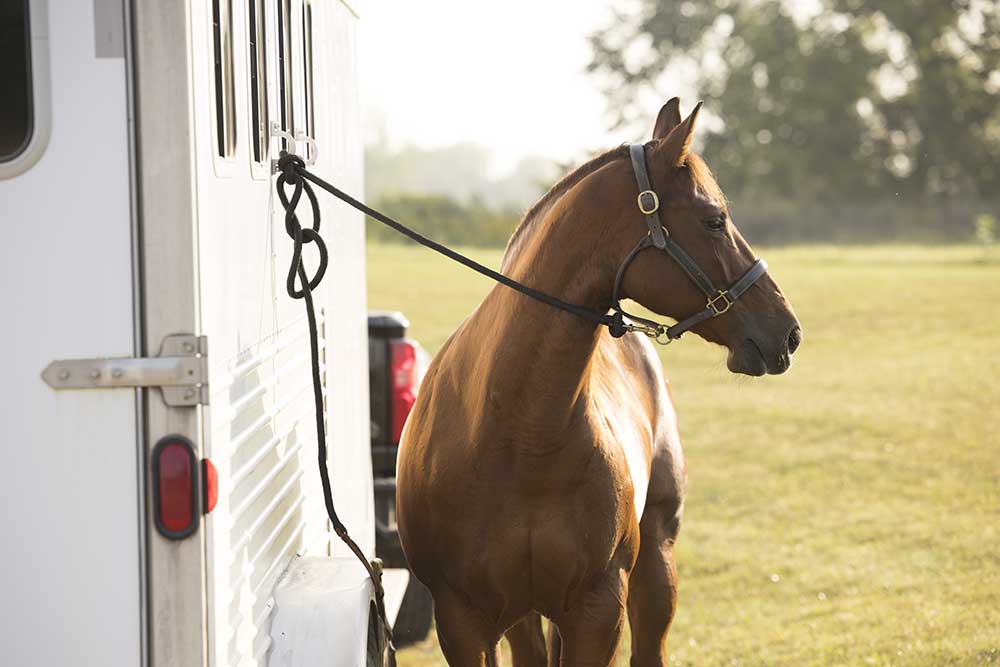
Identify causes of stress to help prevent equine gastric ulcer syndrome (EGUS)
Do you know what’s stressing your horse out? A recent survey found that an overwhelming majority of horse owners know that stress is one of the leading causes of ulcers, but only 33% can correctly identify all potential stressors when presented with a list of such.*
“Horses are prey animals, which means they naturally have a flight instinct,” says Sarah Reuss, VMD, DACVIM, Equine Technical Manager at Boehringer Ingelheim. “Many, many years ago, this was a useful survival skill, but nowadays, it can result in horses experiencing more frequent moments of stress.”
The survey found that common “big” stressors such as a change in routine, confinement in a stall and a change in a horse’s social environment are easily recognized by over 80% of horse owners. It’s the smaller, everyday moments of stress that are often overlooked.
“Many moments that may feel uneventful to a horse owner can actually feel big to their horses and, left unaddressed, can contribute to gastric discomfort,” says Reuss. “So many things that we think of as normal can actually be causing our horses stress.”
According to the survey, some of the commonly unidentified stressors are training, change in turnout and traveling.
Training
For many horse owners, riding and training is a part of daily life. However, any change in training routine can potentially cause additional stress to your horse.
“If a horse is injured and has to abruptly take a break from training or is being brought back into work after some time off, these are changes in their routine that can cause stress,” says Reuss. “This can be particularly challenging for horses that are new to a training program.”
The type, intensity and frequency of training can also have an impact on stress levels. Consider incorporating intentional rest days into your training regimen to help manage any stress associated with training.
Change in turnout
By nature, horses should spend time outside for both their mental and physical health. Whether a horse lives outside full-time or comes into a stall at night, turnout is a crucial part of their wellbeing.
“Many horse owners think that leisure horses or pasture pets don’t get stressed or develop ulcers, but that’s simply not true,” says Reuss. “Weather events that cause changes in their turnout routine, such as a storm that requires them to stay inside for several days or prohibits them from moving around in the pasture as much, can slow their gastric mobility and cause stress.”
If your horse must stay inside longer than normal, consider providing them with additional stimulation such as stall toys, hand walks or a slow feeder.
Traveling
Just like traveling can stress humans out, it can cause our equine companions stress as well. Any amount of time spent on the trailer, whether it’s to a horse show a few states away or just a casual trail ride, can increase a horse’s stress levels.
“Horse owners should make sure that their trailer is comfortable for their horse and that they’re driving the trailer safely,” says Reuss. “For longer trips, consider providing hay in the trailer and making multiple stops along the way to offer your horse water or take them for a hand walk, if safe to do so.”
Horse owners can also consider playing Relax Trax during stressful situations, which is a music track specifically designed to reduce stress in horses. Listen to Relax Trax below and learn more about the science behind the music.
While stress is unavoidable, being conscious of changes to your horse’s routine and being proactive in addressing any potential stressors can go a long way for your horse’s gastric health.
*Stressors included in the list presented in the survey were: Stall confinement, Change in social environment, Training, Traveling, Change in daily routine, Change in turnout, Moving to a new barn, New neighbor or pasture mate, and Change in weather, such as thunderstorms.
About Boehringer Ingelheim
Boehringer Ingelheim provides innovation for preventing and treating diseases in animals. The company offers a wide range of vaccines, parasite-control products, and medicines for pets, horses, and livestock to veterinarians, animal owners, farmers, and governments. As a leader in animal health, Boehringer Ingelheim values that the health of humans and animals is deeply connected and strives to make a difference for people, animals, and society. Learn more at www.bi-animalhealth.com.
This content originally appeared on Boehringer Ingelheim Animal Health and is published here with permission.
You can find more interesting stories in our section on Health & Education.
By Kentucky Equine Research Staff
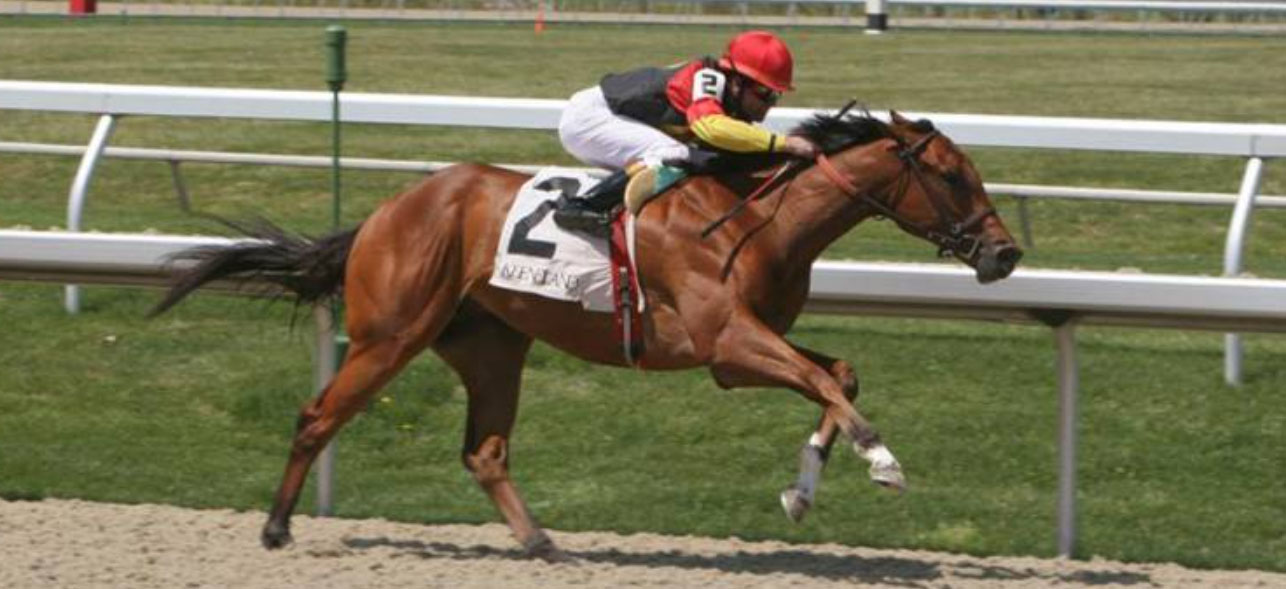
The intestinal microbiome has drawn a great deal of attention over the past decade. Scientists have learned how powerful this collection of bacteria, fungi, and protozoa is and the far-reaching effects the microbiome has on a horse’s health. One of the latest studies examining the intestinal microbiome found that microbiome diversity early in a foal’s life may predict future racing performance.*
In the study, 52 Thoroughbred foals were followed from birth until three years of age. Spontaneously voided fecal samples from each foal were collected at nine different time points during the foal’s first year of life. Those samples underwent standard microbiome analysis based on 16S rRNA gene sequencing to identify the types and numbers of bacteria present in those samples, and the diversity was calculated.
“Diversity refers to the number of individual bacteria in each of the bacterial species found in the intestinal microbiome. Higher diversity is linked to improved health, particularly in terms of the immune system. Because over 70% of the body’s immune system is in the digestive tract, nutrition can influence the immune system by affecting the diversity of the bacteria in the gut,” explained Kathleen Crandell, Ph.D., a nutritionist for Kentucky Equine Research.
In humans, lack of microbiome diversity is linked to several chronic diseases, such as insulin resistance, inflammation, diabetes, digestive disorders, and allergies. Some of these conditions also occur in horses, prompting further research on the intestinal microbiome in both species.
As expected, diversity was low in fecal samples collected from very young foals. But that diversity increased until 60 days of age.
In terms of athletic performance, official rating, average prize money earnings, and average race placings were the three selected outcome measures. A significant, positive association between fecal microbial diversity at 28 days of age and all three racing outcomes was identified. Further, a higher relative abundance of Anaeroplasmataceae on day 28 was associated with higher official rating, and a higher relative abundance of Bacillaceae on day 28 was associated with higher race placings.
Because it is an observational study, it is important to appreciate these results do not indicate a causal relationship. For example, having a higher abundance of Anaeroplasmataceae in young foals (one month old) does not cause better racing outcomes. This study does, however, indicate that microbial diversity may predict athletic performance later in life.
“This is the first study to look at the relationship between early-life gut bacterial communities and subsequent athletic performance. This study is relevant because maximizing athletic potential is a key to successful racehorse breeding, which is an industry that creates jobs and has a wide-reaching economic impact on communities,” noted Crandell.
This new data, together with the existing body of knowledge of the microbiome in foals and horses, highlights the importance of a stable and diverse microbiome for maintaining health.
This research identified a “critical window” when the composition of the microbial community in the digestive tract can affect the immunity and future health of an individual.
“We need to look more closely at early-life interventions designed to enhance the health and future of athletic performance of horses. While we are still not able to select for the growth of certain bacteria that might confer specific health or performance benefits, we are learning more about diet modulation and manipulation to influence overall health of the digestive tract,” said Crandell.
She did note, however, that the first month of a foal’s life is when they are highly dependent on mare’s milk.
“Paying close attention to the mare’s diet and environment might have the most influence on building diversity in the foal’s microbiome and improving its overall health and long-term performance,” Crandell suggested.
Promoting microbiome diversity in the mare can be achieved by:
- Feeding a diet rich in structural carbohydrates such as pasture, high-quality hay, and alternative fiber sources like beet pulp;
- Feeding minimal amounts of starch-rich concentrates;
- Avoiding abrupt changes in the diet;
- Minimizing stress, such as frequent herd-dynamic changes and transportation;
- Avoiding excessive physical exertion;
- Avoiding anthelmintics in the first month postpartum; and
- Being conservative when using antibiotics whenever possible.
Read more: Study: Intestinal Microbiome of Foals May Predict Future Racing Success
- Intra-articular Approaches to Osteoarthritis - Cornell Equine Seminar (Oct 2024)
- What to Do When Your Horse Ride Goes Wrong
- ICONS, Renegades, Mavericks, & Forces of Nature - Photographer Drew Doggett’s Latest Series
- A Grand National Melee - An Excerpt from the Novel The Horseman’s Tale by Tom Equels
- Minimally Invasive Surgery in the Abdomen - Cornell Equine Seminar
- Get to know...Mette Moe Mannseth, Master Trainer (11:26) - Horses of Iceland
- Autumnal Horse Care: Six Considerations
- Uncovering Secrets | Seen Through Horses Campaign (2:56)
- We love the American Quarter Horse! Why is it such a popular breed?
- The Power of Horses | Breaking Barriers (5:26)
- Rood & Riddle Stallside Podcast - Leading the Way: Dr Katie Garrett on the Impact of the American Association of Equine Practitioners (28:42)
- Monty Roberts Equus Online University - Ace used to bite and intimidate people (2:20)
- Painful Horse Hoof - Satisfying Therapeutic Horseshoeing
- "Finding Her Voice" Story of Transformation | Seen Through Horses Campaign (3:02)
- Haynet Research in Horses: Something to Chew On
- Which Off-Track Thoroughbreds Are Most Desirable?
- Marguerite Henry and the Movies - book excerpt "Dear Readers and Riders: The Beloved Books, Faithful Fans, and Hidden Private Life of Marguerite Henry"
- Danger Zones with Julie Goodnight and Christy Landwehr
- 32 and You: An Owner's Guide to Genetic Tests in Horses (55:02) - Cornell Equine Seminar
- Poor Horse Behavior? It Could Be Pain Related