



Recreation & Lifestyle
Welcome to Recreation & Lifestyle, which includes leisure riding and other aspects of the equestrian lifestyle for you and your horse loving friends and family.
Looking for the perfect present? See the Gifts & Jewelry section. Redecorating? Find a Painting, Photograph or Sculpture in the Artwork section. Need to check out a movie or crawl up with a good book or magazine? See our Entertainment section where you will find and Books, Movies, Games, and Magazines. And don't forget about Fine Art in some specialty Museums that might surprise you.
Looking for love or a trail buddy? Riding Partners is the spot to seek other riders who share your passion. Find a place to ride with that special person in our Trail Riding section and if you need more time away, take a look at Vacations. Want to know about the next horse show or special event? Don’t miss it! Dates and locations are included in the Calendar of Events for Recreation & Lifestyle.
Do we need to add more? Please use the useful feedback link and let us know!
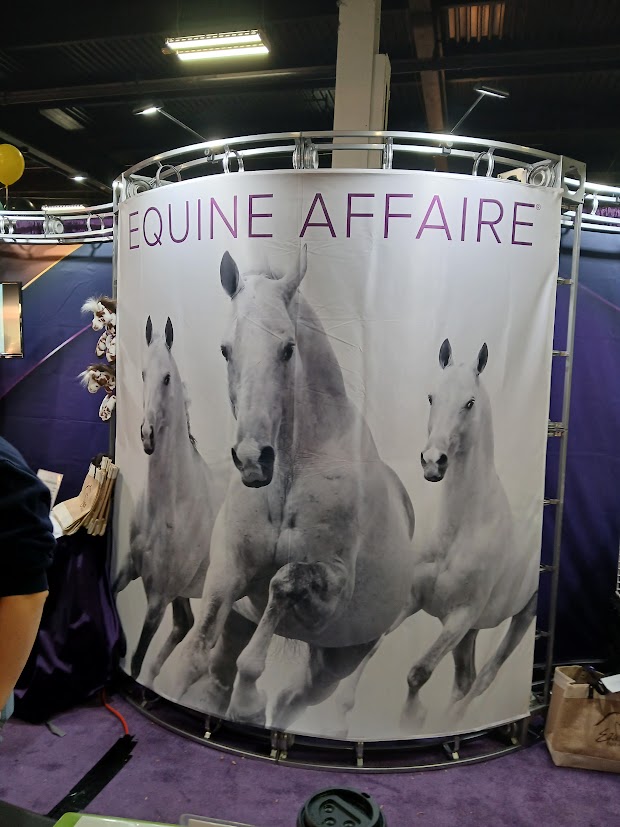
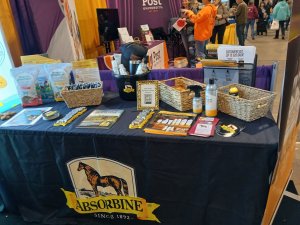
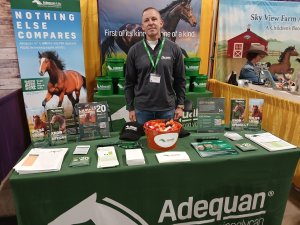
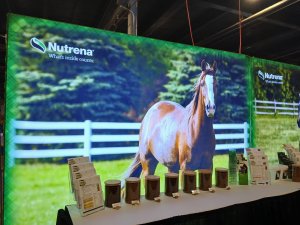
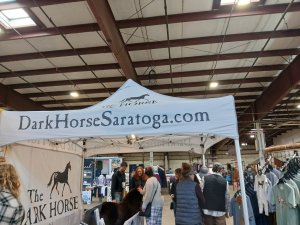
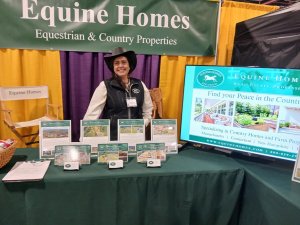
EquineInfoExchange had an amazing time at the Equine Affaire in West Springfield, MA! The beautiful weather made it the perfect weekend to celebrate all things equine. We attended fascinating demonstrations, thrilling competitions, and discovered some incredible new products. Visiting the barns was a highlight — we got to meet and pet a wide variety of stunning horse breeds, including Minis, Clydesdales, Fjords, Arabians, Thoroughbreds, Mustangs, Icelandics, Gypsies, and many more! Best of all, the event gave us a chance to reconnect with old friends and meet new ones who share our love and passion for horses.
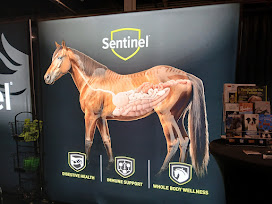
Some of the booths we visited included Sentinel Horse Nutrition, Purina, Semican, Tribute, Poulin Grain and Triple Crown Feed who are all included in our Bedding & Feed page.
We learned more about SmartPak and how they've grown through the years.
National Museum and Racing Hall of Fame attended! They are included on our Museums page. If you are in Saratoga Springs, NY, make sure to visit them!
Dubarry of Ireland and LM Boots were there and are all included in our Apparel section.
We were thrilled to see rehoming organizations such as the Thoroughbred Aftercare Alliance, the Mustang Valley Sanctuary and the Thoroughbred Retirement Foundation. EIE has the largest directory of Rehoming organizations in the world so if you are seeking a horse, please consider adoption or make a donation!
Impressions of Saratoga with their cute mini horse, join our Jewelry & Gifts section.
Boehringer Ingelheim Equine, whose products include GastroGard, are included in Supplements.
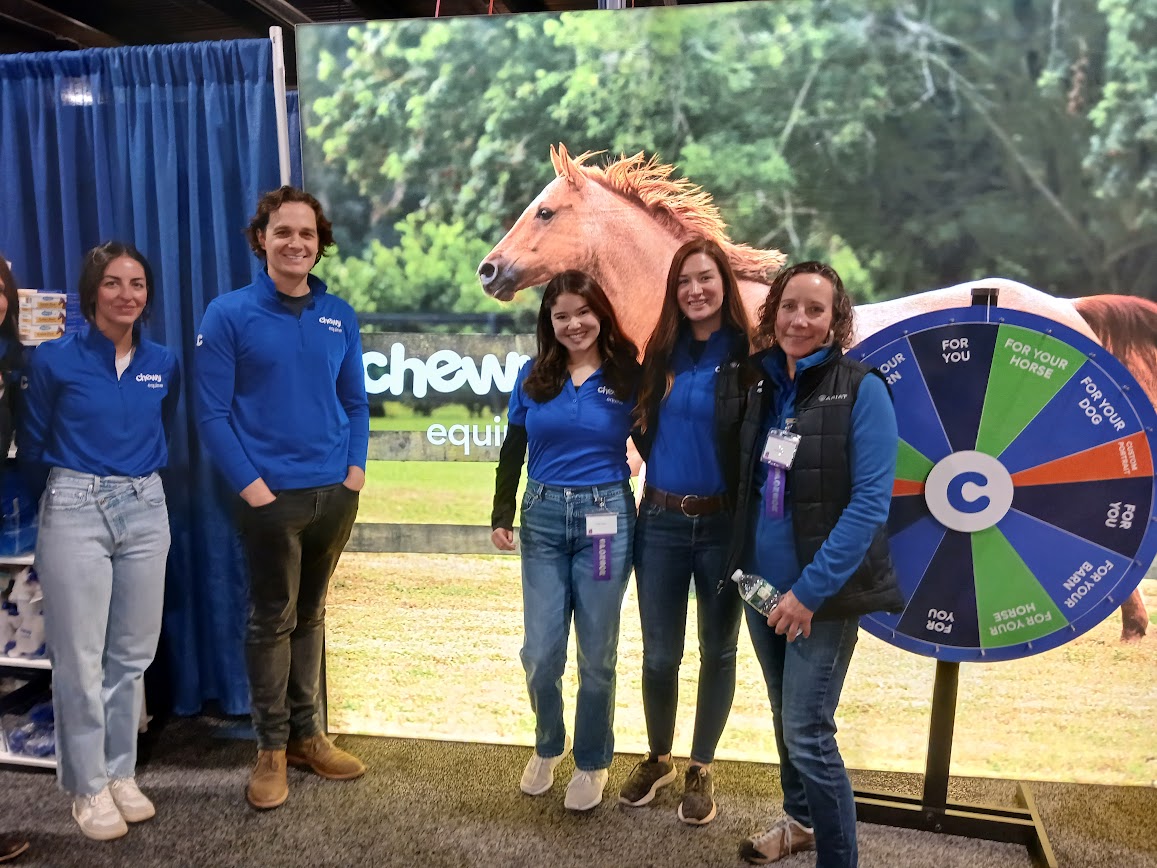
Chewy who had a cool spinning wheel for prizes was added too. They had a long line of people waiting to spin the wheel!
We are continuing to add businesses every day and will share them on social media. We have a social media reach of over 3,000,000 a month!
Do you want your business added to EIE? Email us at info@equineinfoexchange.com with your company's website and we will include you too!
Be sure to look over our Photo Gallery below.
You can find more interesting articles in our section about Recreation & Lifestyle.
Equine Affaire 2025 Photo Gallery
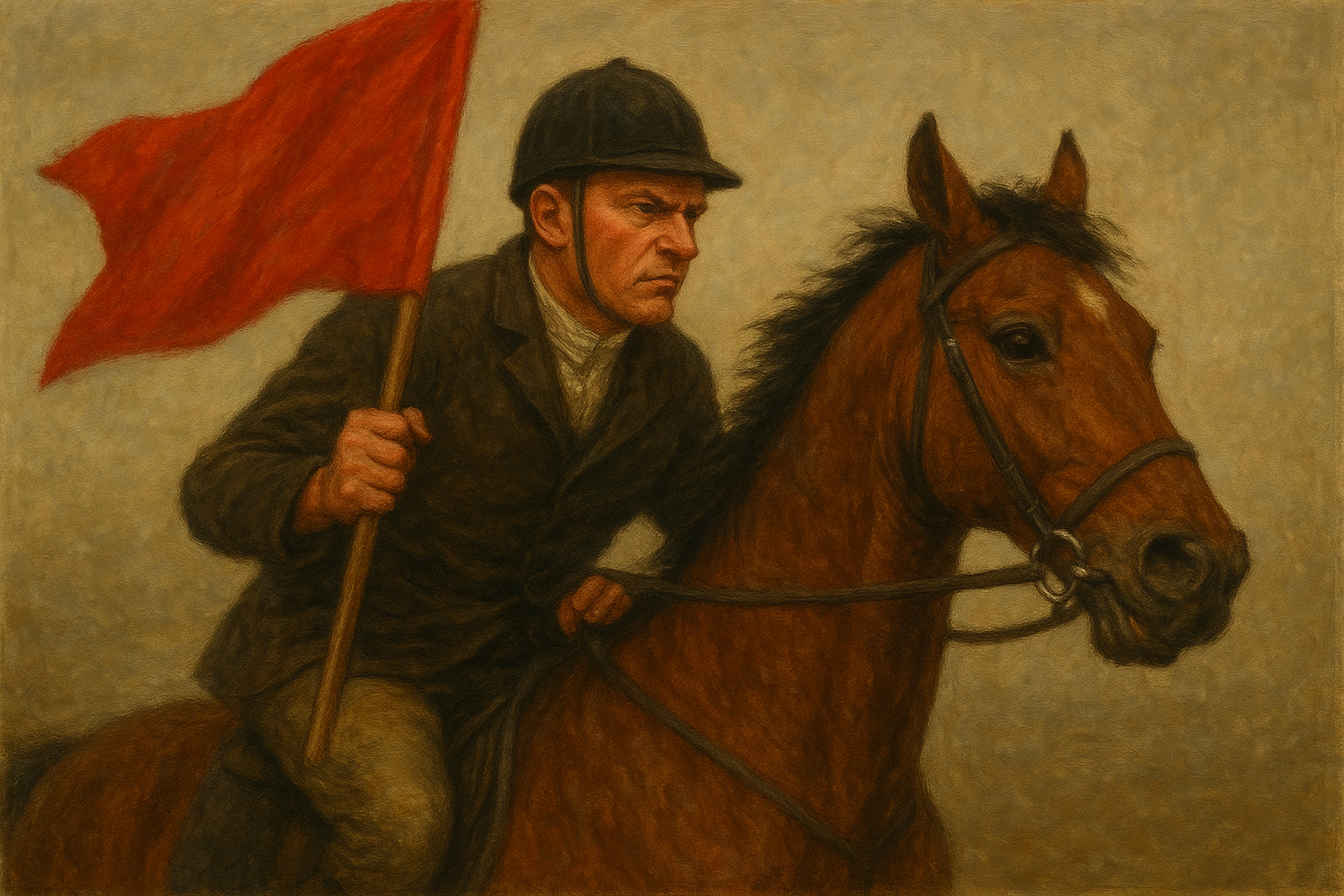
What are red flags for a potentially incompatible riding partner? We all want a safe, stress free and fun horseback riding experience. However, as riders we’ve seen situations where there may be fear or frustration. There are several red flags that can indicate a potentially incompatible riding partner, ranging from differences in skill and goals to poor communication and unsafe habits. Recognizing these issues early can help prevent frustrating or even dangerous situations.
Differences in skill and goals
- Inconsistent riding speed: If one person always wants to go faster or slower, it can lead to friction and an uneven riding experience. A fast rider may push an uncomfortable pace, while a slow rider may hold up a partner who wants to cover more ground.
- Mismatched skill levels: A partner who is significantly more or less experienced than you can create problems. An expert may push a beginner past their comfort zone, while a beginner may not feel safe on a horse that is too spirited for their skill level.
- Different objectives: If your goal is a leisurely trail ride and your companion wants to work on canter transitions, your partnership is mismatched. Shared riding goals are key to an enjoyable experience.
Poor horsemanship and safety habits
- Disregard for safety: An incompatible partner might ignore safety protocols, such as riding without a helmet, riding at high speeds on dangerous terrain, or not properly checking their tack. This puts both of you at risk.
- Unreliable horse care: Pay attention to how a potential partner cares for their horse. Signs of poor horsemanship, such as ill-fitting tack or a horse that is not well-conditioned, can be a red flag for their overall attitude toward riding.
- Ignorance of horse behavior: An unsafe partner may lack awareness of horse communication, ignoring a horse's body language when it shows signs of stress or discomfort.
Communication and reliability issues
- Blame-shifting: If your partner constantly blames their horse, other riders, or external factors for their own mistakes, they show a lack of accountability and an unwillingness to grow as a rider.
- Poor communication: In a partnership, you should be able to openly discuss concerns about the trail, your horse, or a riding plan. A partner who dismisses your concerns or ignores your input may not be a good fit.
- Unreliability and inconsistency: A riding partner who frequently cancels plans, is often late, or makes you do all the planning can be frustrating. A strong partnership relies on mutual effort and respect.
Temperament and attitude
- Disrespectful behavior: Avoid partners who are disrespectful of your boundaries, openly mock or criticize your riding, or belittle your achievements.
- Negativity: A companion who is constantly negative, complains excessively, or creates drama can make a ride unpleasant and drain your energy.
- Pressure and control: Be wary of a partner who puts pressure on you to do things you aren't comfortable with or is overly controlling of the pace, route, or riding style.
Trust your instincts! Ultimately, if you feel unsafe, uncomfortable, or drained after riding with a potential companion, trust your gut feeling. A good partnership should enhance your enjoyment of riding, not detract from it.
You can find more informative articles in our section on Recreation & Lifestyle. Take a look at our Curated Amazon Store for our selections in a wide variety of categories!
Are you interested in promoting your business or sharing content on EIE? Contact us at info@equineinfoexchange.com
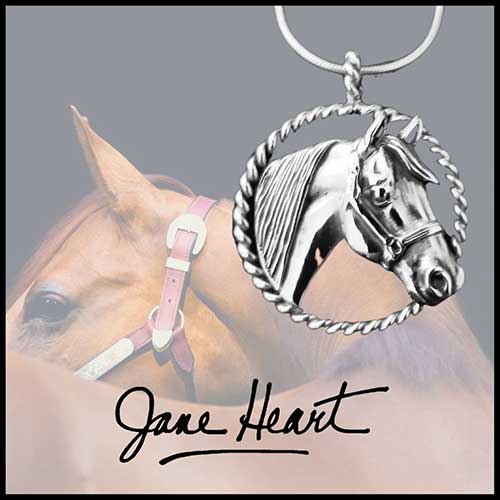
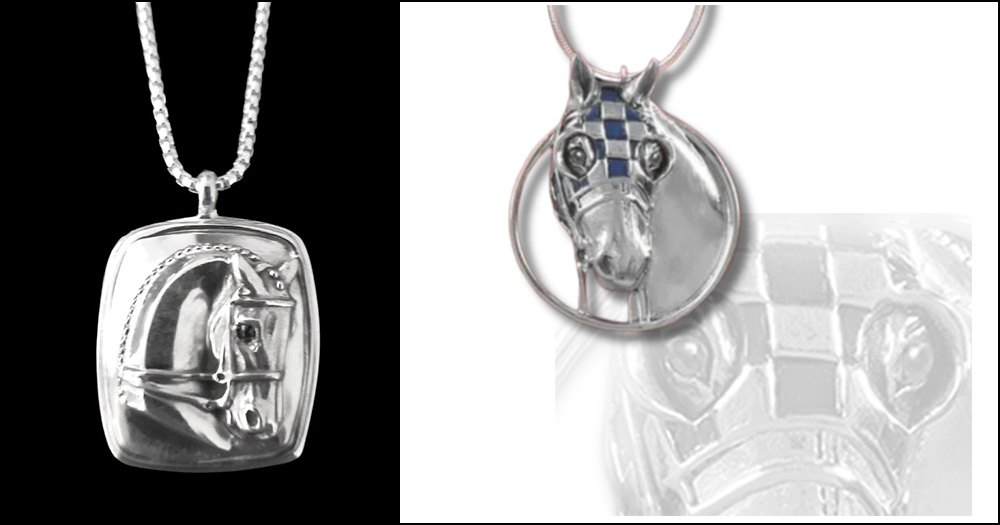
Jane Heart makes beautiful jewelry for the horse lover. Visit her website at JaneHeart.com. Looking for unique horse jewelry that is original and portrays your favorite breed or discipline? Express your connection with sterling silver and gold designs that are handmade in the USA by her master silversmith. Free USPS Shipping on orders $100 or more.
Jane Heart LLC has been manufacturing and marketing equestrian jewelry since 1994. After a successful management career with Neiman Marcus, Saks Fifth Avenue, and Gucci, I took a leap of faith and decided to follow my heart and create a business of my own. Jane is my middle name and so Jane Heart was born! Many know me as Jane and I use it more and more.
Horses were always a passion for me, and one of my very favorite outfits as a child was that of a cowgirl complete with red felt hat! Jewelry was another passion developed during my retailing days, and when I could not find a horse head belt buckle that I liked I decided to design my own.
From there the Collections have grown as well as endured, and new designs are continually added to the many different disciplines and breeds available as well as crosses.
In 2008, I was privileged to announce my licensed jewelry for Barbaro where a portion of the sales benefits the Laminitis Research Fund at the University of Pennsylvania School of Veterinary Medicine.
Jewelry for Secretariat was licensed in 2010 and benefits the Secretariat Foundation started by Mrs. Penny Chenery.
In 2014, jewelry for Man o’ War was approved that benefits The Kentucky Horse Park Foundation for the preservation of his statue which is also his final resting place.
Jewelry for 2015 Triple Crown winner American Pharoah was licensed in 2016 and benefits various equine charities. Released in 2018, designs for Triple Crown Champion, Justify, benefit the Permanently Disabled Jockeys Fund.
Jewelry for Authentic, the 2020 Kentucky Derby winner was launched that benefits Thoroughbred Charities of America. It was thrilling to have a micro share of him with MyRacehorse. I always wanted to own a Derby winner!!
In 2024 Seize the Grey, the Preakness winner, designs debuted. 2024 brought approved designs for Cody’s Wish and the special story of Cody Dorman. Cody's Wish benefits Make-A-Wish in Kentucky, Indiana, and Ohio. More information can be found under Press Releases. It is an honor to have designs for these incredible horses and benefit their charities and organizations.
After living in Pennsylvania, Florida, Texas, and Illinois, and Nevada currently I am back in Scottsdale, Arizona and will be doing shows here. Shows in Kentucky will include Land Rover in April and Breyerfest in July. My husband, Dennis, often travels with me and is the official “jewelry polisher” and my helpful advisor.
It is very rewarding to have jewelry designs that so many clients enjoy…as one told me that lives in California…”your jewelry excites me.”
Peggy Jane Matzie
Are you interested in promoting your business or sharing content on EIE? Contact us at info@equineinfoexchange.com
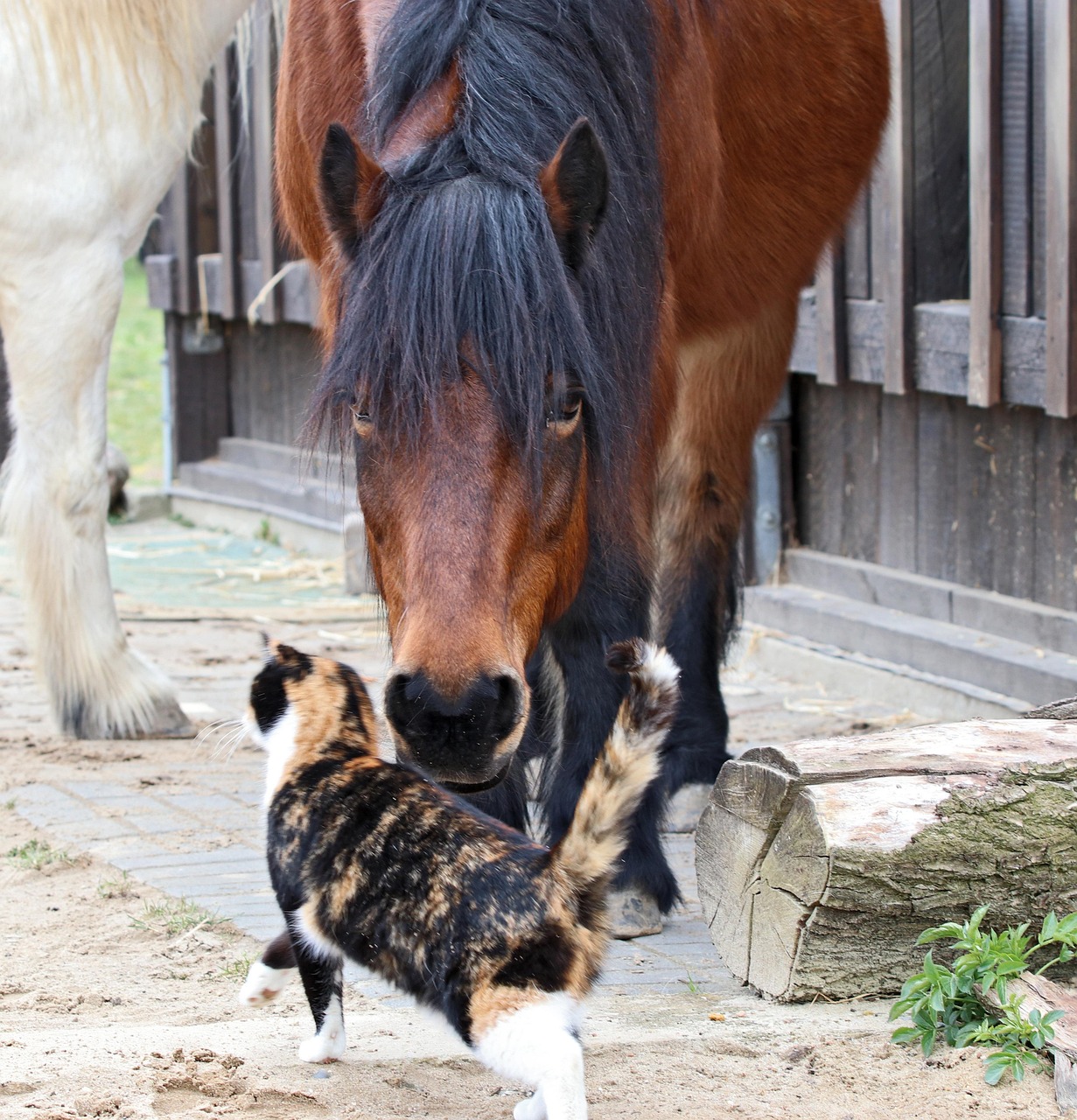
We were asked, “My horse doesn’t like the barn cats? Why is that and what can I do?”
The primary reasons a cat may dislike your horse are their difference in size and species, territorial instincts, and the specific personalities of both animals. A cat's cautious nature, especially if not socialized with large animals as a kitten, can make it wary or fearful of a horse.
Reasons for fear and dislike
- Instinctual fear of predators: Though a horse is a prey animal, its sheer size can trigger a cat's instinctual fear of larger creatures. A horse's sudden movements, snorts, and size can be startling and intimidating to a cat with no experience around them.
- Lack of socialization: A cat that was not properly introduced to horses and other large animals as a kitten may be overly fearful of them later in life. In contrast, many barn cats and horses form bonds, possibly because they grew up together and became accustomed to each other.
- Territorial behavior: Cats are naturally territorial and may feel threatened by a new animal, especially a large one. Your cat may perceive the horse as an intruder on its turf, leading to aggressive posturing like hissing, growling, or swatting.
- Personality clash: Not all animals get along, and it's possible that your cat and horse simply have a personality mismatch. Just as some horses are wary of small, fast-moving animals, some cats are more timid or aggressive than others.
Signs of horse disapproval
A horse that is uncomfortable around a cat may display several warning signs:
- Pinned ears: Ears laid flat back against the head are a clear signal of anger or annoyance.
- Head raised and snorting: This is a classic "alarmed" posture, indicating the horse is on high alert.
- Stamping feet or pawing: These actions signal frustration or an intent to threaten.
- Biting or kicking: In more severe cases, the horse may resort to physical aggression if it feels threatened or annoyed.
How to help them coexist
- Introduce them slowly: If your cat is a barn cat, it's essential to confine them in a crate or tack room for a few weeks to allow them to acclimate to the new smells and sounds. Let the cat see and smell the horses from a distance before any physical interaction.
- Allow escape routes: Make sure your cat always has a safe place to retreat if it feels threatened, such as a high ledge, an open tack room, or a cat tree. Never force an interaction.
- Reward calm behavior: Use treats to reward both animals when they react calmly to each other's presence. Reward your horse for peaceful curiosity and your cat for remaining relaxed.
- Consult a behavior expert: If your cat's fear or aggression is severe, consider consulting an animal behaviorist. They can help you create a specific plan to minimize stress and manage the cat's behavior.
We hope this helps everyone get along in the barn. Cats and horses may never be best friends, but with these suggestions they may lead a more peaceful existence together.
You can find more informative articles in our section on Recreation & Lifestyle. Take a look at our Curated Amazon Store for our selections in a wide variety of categories!
Are you interested in promoting your business or sharing content on EIE? Contact us at info@equineinfoexchange.com
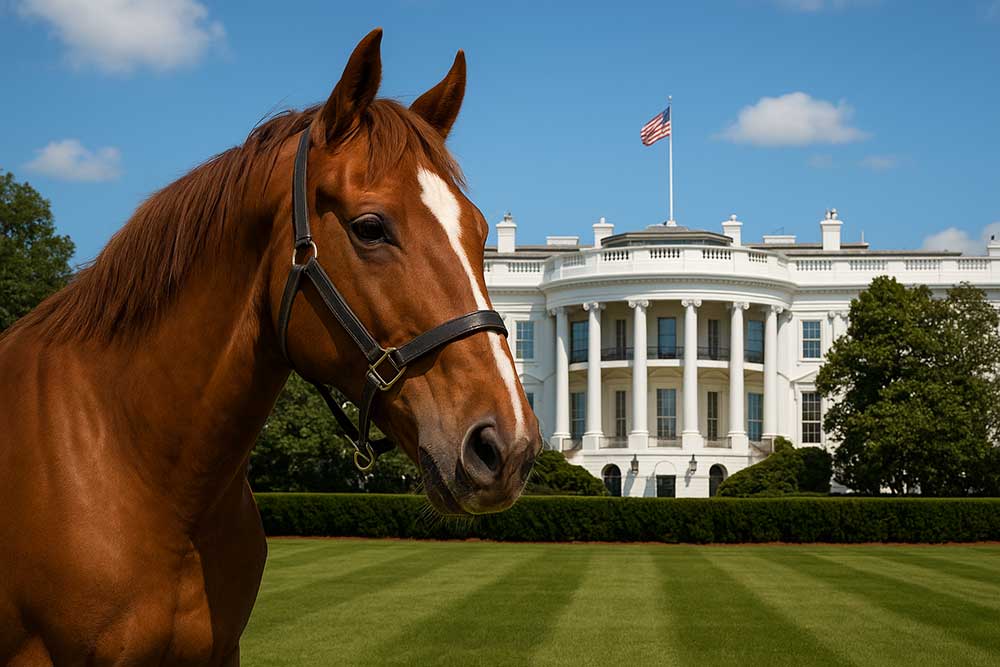
Politics can be a polarizing topic, both in the United States and internationally. The goal of most horse people is to visit their barn as a sanctuary and spend quality time with their horse, not to exchange in a heated political debate. Some people enjoy the opportunity to exchange ideas and beliefs while others prefer a quiet escape.
So that everyone has enjoyment at the barn, riders and barn staff should focus on clear communication, setting boundaries, and concentrating on their shared passion for horses. Here are some ideas.
Set a political "no-fly zone"
- Acknowledge that people have differences. It is important to recognize that a barn brings together people from diverse backgrounds with various political beliefs. A shared love of horses is the common bond, not political agreement.
- Make it a "politics-free zone". The barn is a sanctuary for many people. To maintain a peaceful atmosphere, it is best to leave political discussions and debates at home. Some barn managers explicitly state this policy to set clear expectations from the beginning.
- Redirect the conversation. If someone starts talking politics, you can politely change the subject. Suggested tactics include:
- Change the subject to a horse-related topic, such as "How did your lesson go today?" or "Did you see how well my horse cantered?".
- Say something simple like, "I'd prefer not to get involved in this conversation".
- Announce that you are "tapped out" of discussing politics and would like to talk about something else.
Use personal tactics to avoid conflict
- Remember why you are there. The primary reason you are at the barn is to care for and ride your horse. Focusing on your horse's needs can help you disengage from unnecessary drama.
- Use "I" statements. If you need to address a specific issue, focus on the behavior rather than attacking the person. For example, instead of saying, "You are so argumentative," you could say, "I feel uncomfortable when this topic is discussed".
- Separate the person from the issue. If an issue arises, focus on solving the problem, such as tack clutter, rather than criticizing the person's character.
- Avoid gossip. Gossiping about the issue with others only triangulates and complicates the conflict. Vent to a trusted friend or therapist outside of the barn to avoid dragging others into the drama.
- Know when to walk away. If a conversation becomes heated, it is okay to end it politely. A simple, "Let's agree to disagree" or "I need to get back to my horse" can end the conversation and prevent further escalation.
Involve the barn owner or manager
- Consult the barn's code of conduct. Some barns have specific rules outlining expectations for communication and conflict. This can include clauses about social media conduct to prevent off-site drama.
- Address persistent issues with management. If a fellow boarder's political talk or actions create an unsafe or hostile environment, it is appropriate to speak with the barn owner or manager. Use factual "I" statements and stick to specifics rather than personal attacks.
- Seek mediation. If the barn owner is willing to intervene, professional mediation can help create a path toward a resolution that is acceptable to all parties.
The goal is for a place where we look forward to spending time. Let’s focus on what we have in common – the horses!
You can find more informative articles in our section on Recreation & Lifestyle. Take a look at our Curated Amazon Store for our selections in a wide variety of categories!
Are you interested in promoting your business or sharing content on EIE? Contact us at info@equineinfoexchange.com
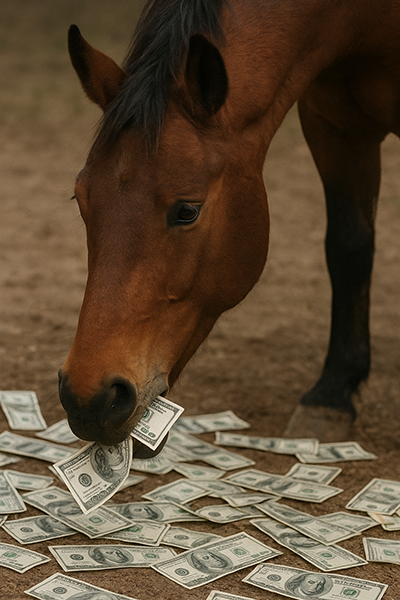
We've likely all had this conversation either with ourselves, parents or a significant other. How do I justify the cost of a horse? To justify the cost of a horse, here at Equine Info Exchange we emphasize the significant intangible benefits—like improved mental and physical health and community connection—rather than framing it as a financial investment. A financial-only justification is difficult because most recreational horses are not good investments and can be more expensive than anticipated. Yes, horses are very costly!
Instead, focus on the multifaceted returns of horse ownership, which go far beyond money.
Justifications based on personal and family well-being
- Boosts mental and emotional health: Interacting with and caring for a horse can reduce stress, lower blood pressure, and elevate mood. For many, the daily routine of barn chores offers a grounding, mindful experience that provides peace away from everyday obligations.
- Encourages an active lifestyle: Horse ownership inherently involves physical activity, from mucking stalls and grooming to riding and training. The physical demands of riding build core strength, balance, and coordination.
- Teaches responsibility and discipline: The daily care a horse requires instills discipline, patience, and problem-solving skills. This is especially beneficial for younger riders, who learn accountability through feeding, grooming, and health checks.
- Provides a path to social connections: The equestrian community is often tight-knit and welcoming. You can build friendships with fellow riders through local clubs, competitions, or simply by socializing at the barn.
- Fosters a deeper connection to nature: Owning a horse encourages more time outdoors, whether you're trail riding or simply working in the pasture. This offers fresh air and scenic views, and it promotes a healthier lifestyle.
Justifications based on potential financial offsets
While a horse is rarely a profitable financial investment, there are some ways to offset the costs:
- Offset expenses with property benefits: If you have suitable land, owning horse-friendly real estate can have hidden financial perks. In some areas, equestrian properties qualify for agricultural tax breaks.
- Generate income through services: For those with extra facilities, boarding other people's horses is a common way to generate income to help cover feed, maintenance, and property taxes. You can also offer training services, riding lessons, or leasing arrangements.
- In rare cases, a business investment: For those in the professional equestrian industry, such as high-level trainers, racers, or breeders, horses can be part of a larger business model. However, this path involves significant risk and is not a justification for the average owner.
The practical approach to making your case
- Do your homework and present a detailed budget: The most effective way to justify a horse is to show that you are fully prepared for the costs, both routine and unexpected. Research local boarding fees, feed costs, farrier services, and veterinary care to present a realistic, comprehensive budget.
- Plan for emergencies: Acknowledge that owning a horse includes unexpected expenses like medical emergencies. Demonstrate your readiness by budgeting for equine insurance or establishing a dedicated emergency fund.
- Explain the non-monetary benefits: Clearly articulate the specific personal and family benefits you will gain. For example, frame it as a way to reduce stress, get more exercise, or teach your children responsibility.
- Consider leasing first: If you're addressing a budget-conscious partner, suggest a horse lease as a first step. This provides much of the horse ownership experience for a fraction of the cost and commitment.
We hope this helps when thinking about purchasing a horse!
You can find more informative articles in our section on Recreation & Lifestyle. Take a look at our Curated Amazon Store for our selections in a wide variety of categories!
- Remembering Robert Redford and His Love of Horses
- Superyachts - The Passion of Exceptional Craftsmanship
- Being Bullied at the Barn? Here are Tips to Help
- Hard to Find Friends at the Barn? Some Tips to Help!
- Horse Talk. Why We Do It!
- My Horse Isn't a Fit. Should I Quit?
- Fun at Fasig-Tipton! See their Saratoga Sales
- Art in Any Form - Western Artist Gary Ward
- How the USPC Festival Pairs with BreyerFest and Pony Finals
- Help! I Need to Find Ways to Introduce My Non-Horse Friends to Horses