




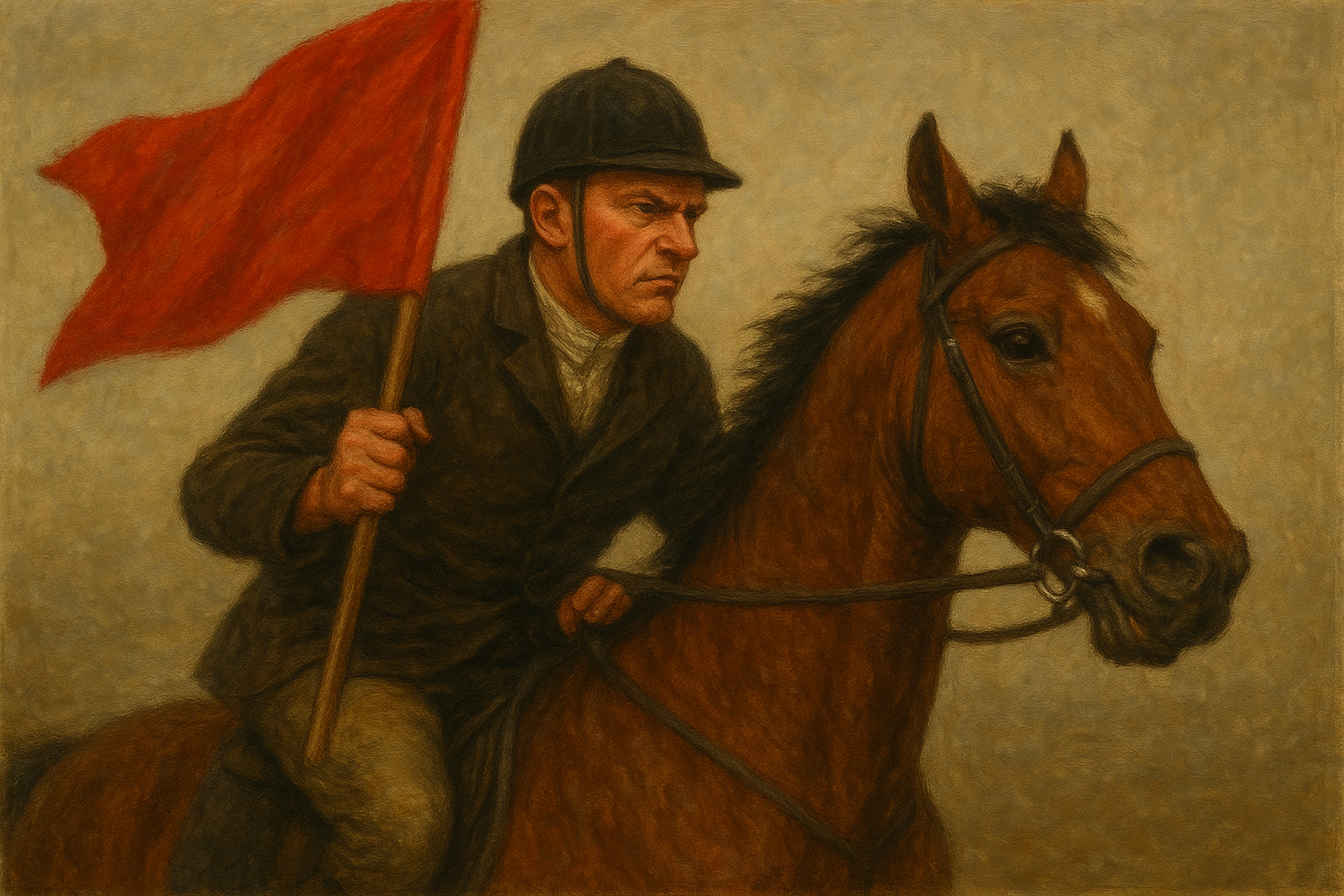
What are red flags for a potentially incompatible riding partner? We all want a safe, stress free and fun horseback riding experience. However, as riders we’ve seen situations where there may be fear or frustration. There are several red flags that can indicate a potentially incompatible riding partner, ranging from differences in skill and goals to poor communication and unsafe habits. Recognizing these issues early can help prevent frustrating or even dangerous situations.
Differences in skill and goals
- Inconsistent riding speed: If one person always wants to go faster or slower, it can lead to friction and an uneven riding experience. A fast rider may push an uncomfortable pace, while a slow rider may hold up a partner who wants to cover more ground.
- Mismatched skill levels: A partner who is significantly more or less experienced than you can create problems. An expert may push a beginner past their comfort zone, while a beginner may not feel safe on a horse that is too spirited for their skill level.
- Different objectives: If your goal is a leisurely trail ride and your companion wants to work on canter transitions, your partnership is mismatched. Shared riding goals are key to an enjoyable experience.
Poor horsemanship and safety habits
- Disregard for safety: An incompatible partner might ignore safety protocols, such as riding without a helmet, riding at high speeds on dangerous terrain, or not properly checking their tack. This puts both of you at risk.
- Unreliable horse care: Pay attention to how a potential partner cares for their horse. Signs of poor horsemanship, such as ill-fitting tack or a horse that is not well-conditioned, can be a red flag for their overall attitude toward riding.
- Ignorance of horse behavior: An unsafe partner may lack awareness of horse communication, ignoring a horse's body language when it shows signs of stress or discomfort.
Communication and reliability issues
- Blame-shifting: If your partner constantly blames their horse, other riders, or external factors for their own mistakes, they show a lack of accountability and an unwillingness to grow as a rider.
- Poor communication: In a partnership, you should be able to openly discuss concerns about the trail, your horse, or a riding plan. A partner who dismisses your concerns or ignores your input may not be a good fit.
- Unreliability and inconsistency: A riding partner who frequently cancels plans, is often late, or makes you do all the planning can be frustrating. A strong partnership relies on mutual effort and respect.
Temperament and attitude
- Disrespectful behavior: Avoid partners who are disrespectful of your boundaries, openly mock or criticize your riding, or belittle your achievements.
- Negativity: A companion who is constantly negative, complains excessively, or creates drama can make a ride unpleasant and drain your energy.
- Pressure and control: Be wary of a partner who puts pressure on you to do things you aren't comfortable with or is overly controlling of the pace, route, or riding style.
Trust your instincts! Ultimately, if you feel unsafe, uncomfortable, or drained after riding with a potential companion, trust your gut feeling. A good partnership should enhance your enjoyment of riding, not detract from it.
You can find more informative articles in our section on Recreation & Lifestyle. Take a look at our Curated Amazon Store for our selections in a wide variety of categories!
Are you interested in promoting your business or sharing content on EIE? Contact us at info@equineinfoexchange.com