





Health & Education
We all want the best care possible for our horses. The Heath & Education section covers both Learning Institutions, Organizations as well as many sources for equine assistance including Veterinarians and Farriers.
For those who want a to formally study horses, the Education section includes College Riding, Equine Studies, and Veterinary Schools. Learn about the wide variety of horses in the Horse Breeds section. Supplements and Treatments Therapy are also included in the section.
Everyone can learn from Fine Art and there are some specialty Museums that might surprise you.
Horses as a therapy partner enrich the lives of the disabled. These facilities are listed in our Therapeutic Riding section. To help children and young adults build confidence and grow emotionally, please see the resources available on the Youth Outreach page.
Looking for a place to keep your horse? You can find it in the Horse Boarding section. Traveling? Find a Shipping company or Horse Sitting service if your horse is staying home!
Want to stay up to date with the latest training clinics or professional conferences? Take a look at our Calendar of Events for Health & Education for the dates and locations of upcoming events.
Do we need to add more? Please use the useful feedback link and let us know!
Sentinel Horse Nutrition offers expert guidance in their eBook "Helping All Horses Live Healthier Lives". Read the excerpt below and be sure to get your free copy of the entire eBook!
Protein and Muscle Recovery for Performance Horses
Protein is a vital part of a horse’s diet. This is particularly true of performance horses as protein aids in muscle development, repair and overall health. Understanding the importance of specific amino acids will give your clients’ horses the best chance of top performance and recovery.
Amino acids: the building blocks of muscle.
Amino acids are the building blocks of protein, but not all amino acids are equally present in an equine diet. Limiting amino acids, such as lysine, methionine and threonine, cannot be synthesized by the horse and must be provided through feed. When these essential amino acids are in short supply, the horse’s ability to utilize other amino acids is restricted, which can negatively impact muscle development, repair and overall performance.
Competitive horses with an amino acid deficiency may exhibit signs such as poor topline development, muscle loss despite adequate caloric intake, delayed recovery after exercise and lack of stamina. Behavioral indicators may include reluctance to engage in strenuous activity, difficulty building or maintaining muscle mass and a dull coat, as protein also plays a role in skin and hair health. Ensuring a balanced intake of essential amino acids is critical in supporting peak athletic performance, strength and recovery.
In equine nutrition, the primary limiting amino acids are:
 Often the first limiting amino acid in equine diets, lysine is essential for growth and muscle development.
Ensuring adequate lysine intake supports optimal protein synthesis.
Often the first limiting amino acid in equine diets, lysine is essential for growth and muscle development.
Ensuring adequate lysine intake supports optimal protein synthesis.
 This sulfur-containing amino acid plays a role in the synthesis of other proteins and supports hoof and
hair health.
This sulfur-containing amino acid plays a role in the synthesis of other proteins and supports hoof and
hair health.
 This amino acid is important for immune function and gut health and contributes to muscle protein synthesis.
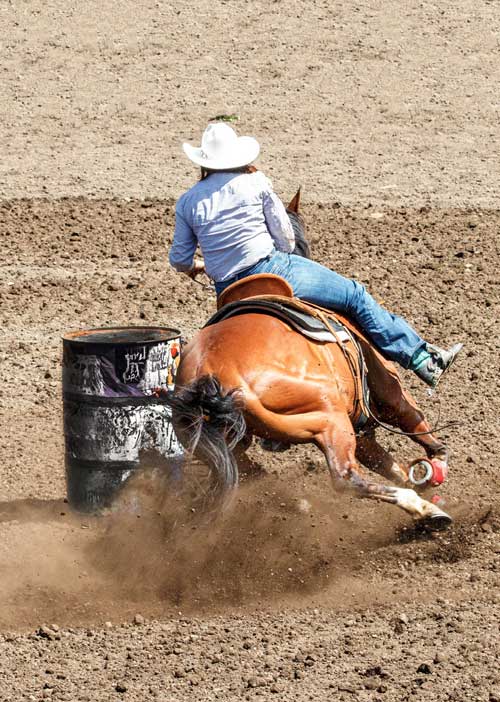
Protein quality and digestibility.
Incorporating high-quality protein sources like soybean meal or alfalfa ensures the availability of essential amino acids necessary for muscle maintenance and repair. Performance horses experience significant muscle stress during training and competition, and intense exercise can cause microdamage to muscle fibers, requiring proper protein intake for recovery and adaptation.
Without adequate amino acids, muscle recovery slows, leading to fatigue, loss of topline and diminished performance. Ensuring a diet rich in essential amino acids supports strength, endurance and the ability to perform over time.
“Protein plays a vital role in muscle development, tissue repair and the horse’s overall health, but it works best as part of a wellrounded diet,” Sturken says. “It's important to balance protein with other energy sources to meet the horse's overall nutritional needs without overloading.”
Get Your Free eBook
You can find out more about protein and muscle recovery for performance horses in the full eBook "Helping All Horses Live Healthier Lives".

by Kentucky Equine Research Staff
Back pain occurs frequently in horses and, depending on the degree of discomfort, can limit performance. To better understand back pain in athletic horses, veterinarians examined 75 horses with histories suggestive of back problems using equipment and techniques available to most practitioners.*
Horses were first examined at rest, noting conformation idiosyncrasies and muscle atrophy, as well as skin lesions from saddle marks. Responses to digital manipulation along the spine were also recorded.
Rectal examinations performed on all horses revealed any abnormalities or pain in the pelvis (e.g., myositis, sacroiliitis, pelvic fracture, spondylosis, other sources of pain). Horses were then evaluated while hand-walking, longeing, and under saddle when ridden and jumping.
Stretching exercises were also performed, enticing horses to take part by using treats placed by the horses’ elbows or between the forelimbs.
“At the walk, many horses had restricted hind limb movement and mobility, often raising the head and arching the back,” described Kathleen Crandell, Ph.D., a nutritionist for Kentucky Equine Research.
Further, tail-swishing when transitioning from trot to canter, stiffness, and poor hind limb impulsion were frequently noted. When horses were jumping, mistakes and refusals, including sliding stops, were noted.
Lateral radiographs of the thoracic dorsal spinous process and ultrasound examinations of the supraspinous and sacroiliac ligaments were performed. When indicated, mepivacaine blocks were performed in the interspinal space between painful spinous processes or the sacroiliac joint.
In that population of 75 horses, 18 horses were diagnosed with muscular strains, 30 cases of sacroiliac pain, and 16 cases of vertebral lesions such as crowding or spondylosis.
“Sacroiliac desmopathy was highly prevalent among the presented cases while interspinous desmopathy came next,” according to the examining veterinary team.
The team noted that back disorders may be attributable to ill-fitting tack, inadequate training, improper shoeing, and unequal distribution of rider weight.
Specific diagnoses may include lesions of the supraspinous, interspinous, and sacroiliac ligaments; strains of the longissimus muscle; impinging dorsal spinous processes or kissing spines; osteoarthritis; intervertebral disc disease; and vertebral fractures.
“In addition, the veterinarians cited poor management, including inadequate nutrition, as a potential contributing factor for back pain. Low-quality feeds and forages may not supply adequate nutrients important for strength and durability of the musculoskeletal system.
Making sure your horse has a balanced diet with quality ingredients and proper amounts of vitamins and minerals is key to supporting healthy bone and muscle tissue,” advised Crandell.
Supporting optimal joint health can be achieved, at least in part, by supplementing horses with glucosamine, chondroitin sulfate, hyaluronic acid, and MSM found in quality supplements such as KER-Flex.
Horses included in this study were treated conservatively with rest for one to three months based on severity and nonsteroidal anti-inflammatory drugs (oral phenylbutazone or “bute”).
In addition, horses that responded to the mepivacaine blocks were subsequently injected with the corticosteroid triamcinolone acetonide.
“Adequate rest and early treatment were prerequisites for recovery,” concluded the veterinarians.
*Shokry, M., L.B. Ali, and M. El-Sharkawy. 2025. Relationship between back pain and poor performance in show jumping athletic horses. Open Veterinary Journal 15(3):1480-1487.
Reprinted courtesy of Kentucky Equine Research. Kentucky Equine Research is an international equine nutrition, research, and consultation company serving horse owners and the feed industry.
Our goals are to advance the industry's knowledge of equine nutrition and exercise physiology, apply that knowledge to produce healthier, more athletic horses, and support the nutritional care of all horses throughout their lives. Learn more at Kentucky Equine Research.
There a more informative articles in our section on Health & Education. While you're here be sure to visit our Curated Amazon Store.
- Is Pasture Grazing Safe This Summer for Your Insulin-Resistant Horse
- Chewing Halters: A New Tool to Track Ingestive Behavior and Optimize Welfare
- Barn Construction: 7 Principles to Reduce Fire Risk
- Top 3 Causes of Barn Fires
- Rope Halter Safety and Adjustment with Julie Goodnight
- Crafting Diets for Easy and Hard Keeper Horses - an excerpt from Helping All Horses Live Healthier Lives
- How Horse Show Culture Has Changed (and why it’s worth preserving)
- Listening Beyond Words: The Wisdom of Horses
- More than ‘Four on the Floor’ with Equine Guelph Horse Trailer Safety Course
- Skin Problems in Horses: Culicoides Hypersensitivity
- Osteoarthritis Pain in Horses Controlled by CBD and Related Products
- Review of Roaring & Possible New Surgical Procedure
- Encourage Horses to Drink During Transport
- Be Pro-active Rather than Reactive with Biosecurity
- Is Your Horse Happy?
- Setting Up Thoroughbreds for Success One Stride at a Time
- Five Things About Joint Care
- The Efficacy of Sponge Baths and Hosing on Exercise Recovery in Thoroughbred Horses
- Smarter Grazing: How Satellite Technology Supports Sustainable Horse Pasture Management
- Managing Energy and Motivation While Caring for Your Horses