





Health & Education
We all want the best care possible for our horses. The Heath & Education section covers both Learning Institutions, Organizations as well as many sources for equine assistance including Veterinarians and Farriers.
For those who want a to formally study horses, the Education section includes College Riding, Equine Studies, and Veterinary Schools. Learn about the wide variety of horses in the Horse Breeds section. Supplements and Treatments Therapy are also included in the section.
Everyone can learn from Fine Art and there are some specialty Museums that might surprise you.
Horses as a therapy partner enrich the lives of the disabled. These facilities are listed in our Therapeutic Riding section. To help children and young adults build confidence and grow emotionally, please see the resources available on the Youth Outreach page.
Looking for a place to keep your horse? You can find it in the Horse Boarding section. Traveling? Find a Shipping company or Horse Sitting service if your horse is staying home!
Want to stay up to date with the latest training clinics or professional conferences? Take a look at our Calendar of Events for Health & Education for the dates and locations of upcoming events.
Do we need to add more? Please use the useful feedback link and let us know!
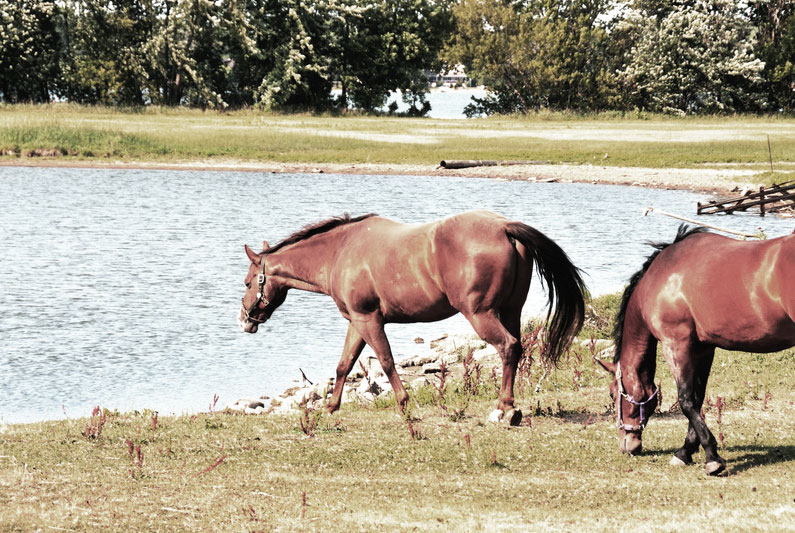
Editor's Note: This is an important topic for us. We had a horse die from Potomac Horse Fever in New York State even though he was vaccinated, but it is still important to vaccinate your horses and watch for signs of this potentially deadly disease.
As summer heats up, so does concern over a serious equine illness: Potomac Horse Fever (PHF). Once considered rare in Canada, PHF is now appearing more frequently prompting veterinarians and horse owners to stay alert.
What Is Potomac Horse Fever?
Potomac Horse Fever (PHF), also known as equine neorickettsiosis or equine monocytic ehrlichiosis, is a serious intestinal disease that affects horses, especially during the warmer months. It was first identified in 1979 near the Potomac River in Maryland, but cases have since been reported across North and South America— including a growing number in Canada. PHF is caused by a type of bacteria called Neorickettsia. For many years, the only known culprit was Neorickettsia risticii. However, researchers in Canada and USA have recently discovered a new species, Neorickettsia findlayensis, in horses showing signs of PHF.
These bacteria live inside tiny parasitic flatworms (called trematodes) that infect aquatic insects like mayflies, caddisflies, and dragonflies. Horses can become infected when they accidentally eat these insects—often while grazing or drinking from contaminated water sources. Once inside the horse’s digestive system, the bacteria are released and begin to invade the lining of the colon and cecum. From there, they can enter the bloodstream and infect immune cells, leading to symptoms like fever, diarrhea, and in severe cases, laminitis.
PHF is typically a seasonal disease because the insects that carry the bacteria are most active in summer and early fall.
Why the Sudden Rise?
According to Dr. Luis Arroyo from the Ontario Veterinary College, climate change and shifting insect populations may be contributing to the spread of PHF into new regions, including parts of Ontario where it wasn’t previously seen. Increased awareness and better diagnostic tools are also helping identify more cases.
Signs to Watch For
PHF can come on suddenly and progress quickly. Common symptoms include:
- High fever
- Lethargy
- Loss of appetite
- Diarrhea
- Colic-like symptoms
In severe cases, laminitis (a painful hoof condition) or even abortion in pregnant mares Early detection is critical. If your horse shows any of these signs, contact your vet immediately.
Diagnosis and Treatment
Diagnosis typically involves blood and fecal tests, including PCR testing. Treatment usually includes oxytetracycline, an antibiotic that can be effective if given early. Supportive care like IV fluids may also be needed.
Prevention Tips
Talk to your veterinarian to learn about available vaccines and how well they protect against different strains of PHF, including newer ones found in Canada.
Other preventive steps include:
- Turning off barn lights at night to avoid attracting insects
- Covering water troughs and feed bins
- Cleaning up dead insects around the barn
- Avoiding turnout near ponds, rivers or streams during peak insect season
PHF is a serious but manageable disease. With vigilance, early intervention, and preventive care, horse owners can help protect their herds.
Resource Links
Potomac Horse Fever (PHF) Webinar
Potomac horse fever in Ontario: Clinical, geographic, and diagnostic aspects.
Arroyo LG, Moore A, Bedford S, Gomez DE, Teymournejad O, Xiong Q, Budachetri K, Bekebrede H, Rikihisa Y, Baird JD.
Can Vet J. 2021 Jun;62(6):622-628. PMID: 34219771; PMCID: PMC8118184.
This article originally appeared on Equine Guelph, The University of Guelph and is published here with permission.
You can find more informative articles in our section on Health & Education.
While you're here, find some perfect items for your horse! Visit our curated Amazon Store.
by Kentucky Equine Research Staff
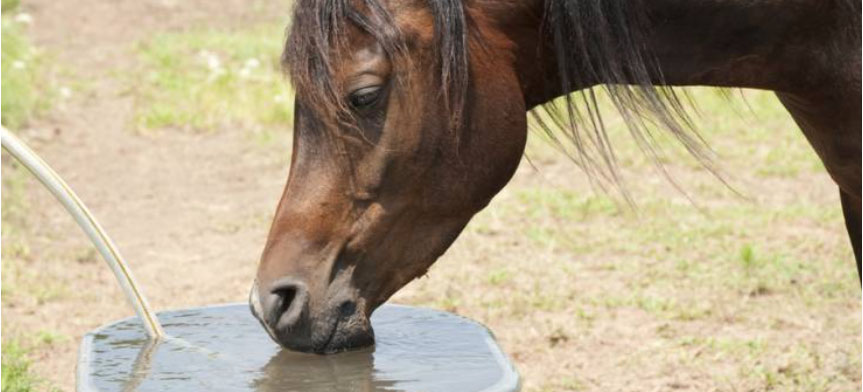
As horse owners, we know well the importance of providing horses with water. Consider these six facts about water the next time you’re scrubbing buckets or waiting for the trough to fill.
1. Not surprisingly, water consumption depends on body weight. Expect a Belgian to outdrink a Haflinger any day of the week. Oddly enough, though, horses of similar body weight and breed may have completely different, though normal, intakes. What’s normal, you ask? Idle horses in a moderate climate will drink 5-15 gallons (20-55 liters) of water daily.
2. Just because your old mare drank two buckets of water yesterday and the day before that doesn’t mean she’ll drink two today. Variations in water intake for individual horses may occur from day to day. Keep track of water consumption as best as you can, and alert a veterinarian if your horse seems to drink little or no water.
3. Without question, diet affects water consumption. Horses grazing lush pasture grasses, which are high in moisture content, will drink less water than those faced with a pile of hay. In fact, horses that consume all-hay diets drink more water than those fed mixed hay-grain diets.
4. Drinking doesn’t take up a lot of your horse’s day. Researchers calculated that well-fed mature horses spend only five or six minutes a day drinking water, though this is achieved in several visits to the water source.
5. Do foals drink water, or do their dams provide adequate fluid until weaning? If you’re a breeder, you’ve seen foals hit the waterer as early as a week old. In one study, one-month-old foals drank nearly a gallon of water in addition to more than four gallons of milk daily.
6. Depending on environmental conditions and work intensity, exercising horses may require more water than their sedentary peers, especially if they sweat. Horses that sweat daily should be given electrolytes to help replace mineral losses in sweat. Research-proven supplements like Restore SR and Race Recovery provide the best electrolyte therapy.
Providing fresh, clean water to horses at all times remains a basic principle of horsemanship.
Reprinted courtesy of Kentucky Equine Research. Kentucky Equine Research is an international equine nutrition, research, and consultation company serving horse owners and the feed industry. Our goals are to advance the industry's knowledge of equine nutrition and exercise physiology, apply that knowledge to produce healthier, more athletic horses, and support the nutritional care of all horses throughout their lives. Learn more at Kentucky Equine Research.
There a more informative articles in our section on Health & Education. While you're here be sure to visit our Curated Amazon Store.
- Protein and Muscle Recovery for Performance Horses - an excerpt from Helping All Horses Live Healthier Lives
- Evaluating Horses for Back Pain
- Is Pasture Grazing Safe This Summer for Your Insulin-Resistant Horse
- Chewing Halters: A New Tool to Track Ingestive Behavior and Optimize Welfare
- Barn Construction: 7 Principles to Reduce Fire Risk
- Top 3 Causes of Barn Fires
- Rope Halter Safety and Adjustment with Julie Goodnight
- Crafting Diets for Easy and Hard Keeper Horses - an excerpt from Helping All Horses Live Healthier Lives
- How Horse Show Culture Has Changed (and why it’s worth preserving)
- Listening Beyond Words: The Wisdom of Horses
- More than ‘Four on the Floor’ with Equine Guelph Horse Trailer Safety Course
- Skin Problems in Horses: Culicoides Hypersensitivity
- Osteoarthritis Pain in Horses Controlled by CBD and Related Products
- Review of Roaring & Possible New Surgical Procedure
- Encourage Horses to Drink During Transport
- Be Pro-active Rather than Reactive with Biosecurity
- Is Your Horse Happy?
- Setting Up Thoroughbreds for Success One Stride at a Time
- Five Things About Joint Care
- The Efficacy of Sponge Baths and Hosing on Exercise Recovery in Thoroughbred Horses