




Health & Education
We all want the best care possible for our horses. The Heath & Education section covers both Learning Institutions, Organizations as well as many sources for equine assistance including Veterinarians and Farriers.
For those who want a to formally study horses, the Education section includes College Riding, Equine Studies, and Veterinary Schools. Learn about the wide variety of horses in the Horse Breeds section. Supplements and Treatments Therapy are also included in the section.
Everyone can learn from Fine Art and there are some specialty Museums that might surprise you.
Horses as a therapy partner enrich the lives of the disabled. These facilities are listed in our Therapeutic Riding section. To help children and young adults build confidence and grow emotionally, please see the resources available on the Youth Outreach page.
Looking for a place to keep your horse? You can find it in the Horse Boarding section. Traveling? Find a Shipping company or Horse Sitting service if your horse is staying home!
Want to stay up to date with the latest training clinics or professional conferences? Take a look at our Calendar of Events for Health & Education for the dates and locations of upcoming events.
Do we need to add more? Please use the useful feedback link and let us know!
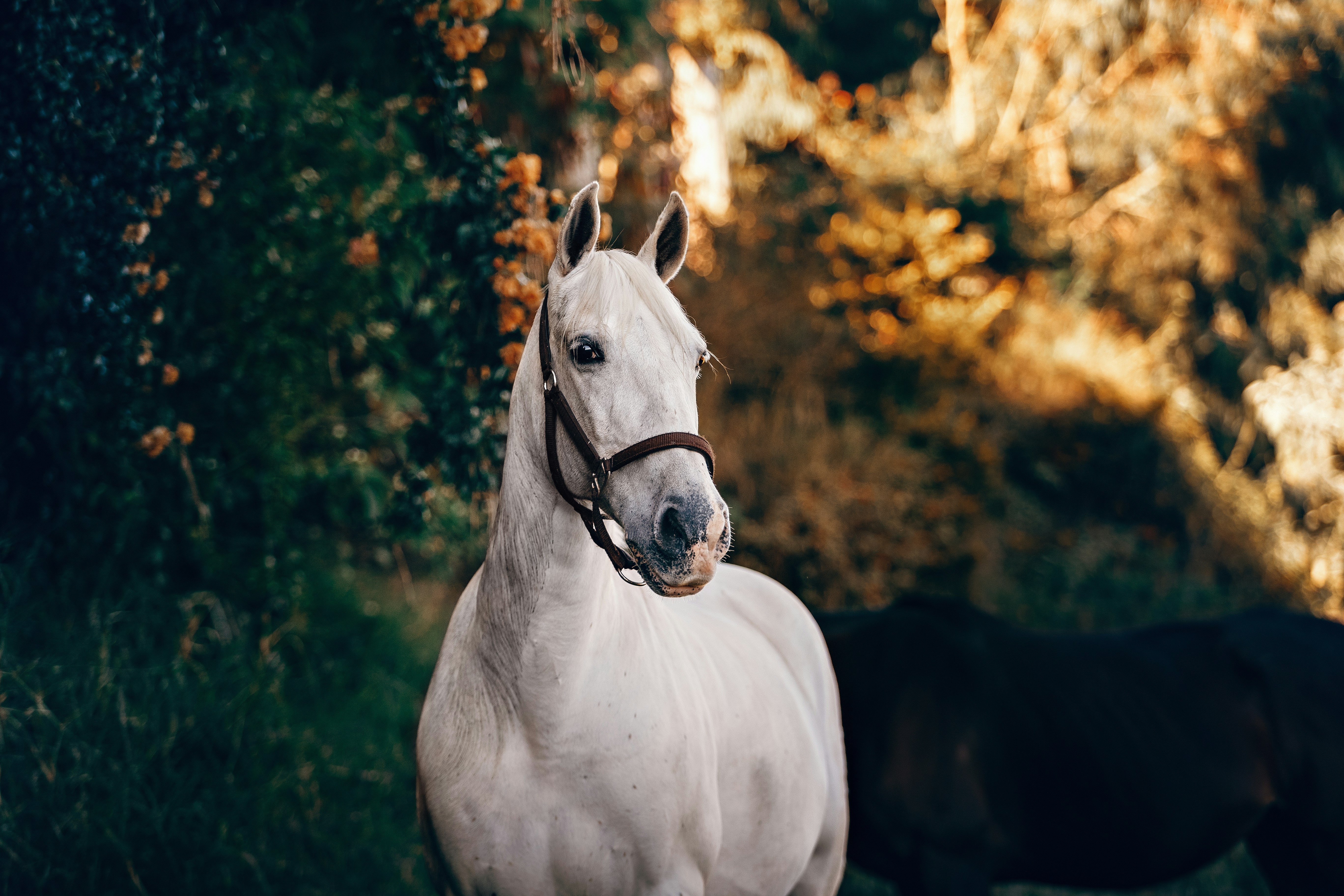
A horse may need to be sedated at various points in its life. Whether it is undergoing a dental procedure, veterinary examination or surgery, sedation will ensure the horse remains safe, cooperative and free from pain and distress throughout the entire process.
By inducing muscle relaxation and reducing anxiety or fear in a horse, sedation allows veterinarians and trainers to carry out treatment and care for an animal, ensuring they remain still for an extended period, reducing the risk of injury or discomfort. The amount of sedative given to a horse will depend on the treatment or procedure required and should always be administered under the supervision of a trained veterinarian. In this article, we will look at what to expect when sedating a horse for the first time.
Light Sedation
The administration of a light sedative aims to put a horse into a relaxed state while still allowing it to remain responsive. This may be required to calm a horse and help reduce its anxiety when undertaking activities such as clipping or other routine care. When under light sedation a horse will still be responsive, and can even ‘spook’ at certain stimuli, such as unexpected sights or sounds. A veterinarian may prescribe a light sedative for owners to administer to their horses with clear instructions on how to do so to ensure the horse’s safety and well-being.
Medium Sedation
Medium sedation will induce a deeper level of relaxation in a horse. As a result, the horse will become very calm and display a sleepy appearance which may include a drooping lower lip and lowered head. As the horse may become slightly unstable on its feet, some support is advised to prevent it from falling.
This standing sedation is often used when scanning a horse for tendon and ligament injuries and for dental procedures such as removing wolf teeth as it puts the horse in a semiconscious state, allowing the veterinarian to safely and effectively handle the animal and perform the necessary treatment.
Heavy Sedation
This level of sedation will induce high levels of drowsiness and relaxation in a horse and will require a veterinarian to be present throughout the procedure. A horse that is heavily sedated will typically appear very tired and sleepy with its lower lip and head dropping towards the ground.
Despite their unsteadiness, horses usually remain standing when administered with a heavy sedative. This should be done in a safe and closely confined area that has a supportive surface to prevent the horse from receiving any injuries. Heavy sedation is typically used for invasive procedures such as extensive dental work or when suturing wounds to ensure the horse remains calm and manageable throughout.
Recovery
Horses tend to recover relatively quickly from sedation, although the exact duration will depend on the drug and the level of sedation administered. During their recovery, horses should be provided with a quiet and safe environment that is free from draughts, as profuse sweating is also likely during this time. Any feed or other edible items should be removed to prevent the horse from attempting to eat them and choking. Once the effects of the sedative have worn off the horse can gradually begin resuming its normal activities.
An experienced veterinarian can provide more information and advice on safely sedating a horse.
You can find more intriguing articles in our section on Health & Education.
By Kentucky Equine Research Staff
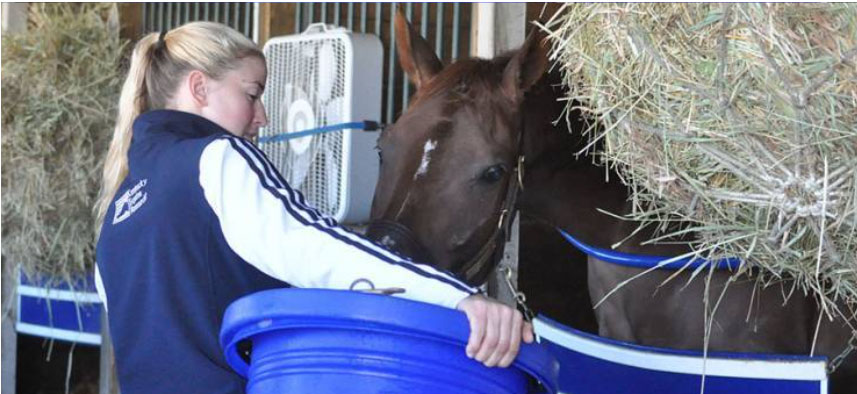
Fiber fermentation in the hindgut provides the horse with energy to grow, work, and play. The fiber fraction of a horse’s diet typically comes from pasture or hay, but there are forage alternatives that can help supplement energy, benefit the digestive system, and provide fiber for horses that have trouble chewing traditional forage.
One such forage alternative is beet pulp. According to Kathleen Crandell, Ph.D., a nutritionist at Kentucky Equine Research, “Beet pulp is an energy-rich source of digestible fiber that helps promote a healthy microbial population in the hindgut.”
Beet pulp is a byproduct of the sugar beet industry. Sugar beets are grown and harvested to make sucrose and sugar, and beet pulp is the plant material left over once the sugar has been removed. Because of the processing, beet pulp contains minimal sugar.
“Dried beet pulp products are usually available with or without added molasses. The sugar content of unmolassed beet pulp shreds is less than 10%, making it a safe feed for horses that need a low-sugar diet. Shreds with added molasses contain, on average, less than 15% sugar,” explained Crandell.
Beet pulp is considered a prebiotic, meaning it is beneficial to the millions of microbes in the horse’s hindgut. A robust, well-functioning microbiome contributes to overall health. Despite its prebiotic benefit, beet pulp should never be the sole fiber source of the diet. Beet pulp is low in protein (typically 8-10% crude protein) and rich in calcium but is devoid of vitamins and low in other minerals. While research reported in Nutrient Requirements of Horses, published by the National Research Council, showed that a diet consisting of 45-55% beet pulp had no negative effects on the horses consuming it, beet pulp alone will not provide sufficient nutrients, noted Crandell.
Beet pulp can be used to help underweight horses gain weight, as it provides approximately 1,000 kcals per pound (one quart of dry beet pulp shreds weighs approximately 0.5-0.6 pounds). Byproducts of microbial fermentation of beet pulp in the hindgut include volatile fatty acids, or VFAs, which are absorbed and turned into energy. This energy does not cause a spike in glucose or insulin and is released slowly for a more steady supply. Beet pulp is a common ingredient in commercial grain concentrates because of its energy density and benefit to the microbiome.
Beet pulp can also be used as a top-dressed supplement. Soaking is recommended because beet pulp holds moisture, making it useful for adding water to the digestive system.* Dry shreds will not swell in the throat or stomach when fed appropriately. If feeding beet pulp pellets, soaking is required because of the hardness of the pellet and the significant change in volume once pellets are wet.
Beet pulp has an unfair reputation for causing choke in horses. Choke can be caused by any feedstuff, including forages, that are eaten greedily and swallowed without proper chewing.
In summary, beet pulp is an option for adding energy and promoting digestive health in horses. Contact a KER nutrition advisor for advice on whether beet pulp is right for your horse.
- Monty Roberts - Cinder Part 2 The Value of Force Free Training (2:19)
- Monty Roberts - Cinder Part 1: Join Up with a Wild Horse (2:04)
- Inside the In Vitro Fertilization Lab at Rood & Riddle with Dr Charlie Scoggin & Dr Maria Schnobrich (37:25)
- The Making of a Dressage Trainer
- Topline Loss - How Nutrition Can Help
- Ask Monty: Why is my horse aggressive at feeding time? (1:22)
- New Tool Recognizes Pain in Horses with Osteoarthritis
- My Horse is Gaining Weight on Free-Choice Forage! Why Isn't it Working?
- 6 Must-haves For Your Next Horse Show
- Inside the Recipient Mare Herd from the Rood & Riddle Reproduction Center with Crystal Howard" (24:28)
- Breeding for the Next Champion: 6 Important Considerations for Broodmares
- Empty Fields Everywhere Why Movement is So Important
- Hard Tying the Horse to a Rail or Post with Michal Kays (5:37) - Certified Horsemanship Association
- The Icelandic Horse - Quite the Characters!
- 4 Signs of a Happy Horse
- Stallside Podcast - Behind the scenes with the Rood & Riddle Anesthesia and Surgery Technician Team (34:01)
- Breaking the Cycle of Hoof Lameness: Navicular, Laminitis, Pedal Osteitis (14:25)
- Rood & Riddle: Advances in Equine Healthcare (6:37)
- Extending Photoperiod for Muscle Development in Young Horses
- Adopting a Wild or Feral Mustang?