





Health & Education
We all want the best care possible for our horses. The Heath & Education section covers both Learning Institutions, Organizations as well as many sources for equine assistance including Veterinarians and Farriers.
For those who want a to formally study horses, the Education section includes College Riding, Equine Studies, and Veterinary Schools. Learn about the wide variety of horses in the Horse Breeds section. Supplements and Treatments Therapy are also included in the section.
Everyone can learn from Fine Art and there are some specialty Museums that might surprise you.
Horses as a therapy partner enrich the lives of the disabled. These facilities are listed in our Therapeutic Riding section. To help children and young adults build confidence and grow emotionally, please see the resources available on the Youth Outreach page.
Looking for a place to keep your horse? You can find it in the Horse Boarding section. Traveling? Find a Shipping company or Horse Sitting service if your horse is staying home!
Want to stay up to date with the latest training clinics or professional conferences? Take a look at our Calendar of Events for Health & Education for the dates and locations of upcoming events.
Do we need to add more? Please use the useful feedback link and let us know!
Mette Moe Mannseth is one of 5 Master Trainers in the Icelandic horse world. Horses of Iceland visited Mette at her farm, Þúfur, in North Iceland to hear the story of how a young girl in Norway became one of our most influential trainers and riding instructors. Mette discusses her passion, thoughts on training, breeding Icelandics and much more!
Read more: Get to know...Mette Moe Mannseth, Master Trainer (11:26) - Horses of Iceland
By Kentucky Equine Research Staff
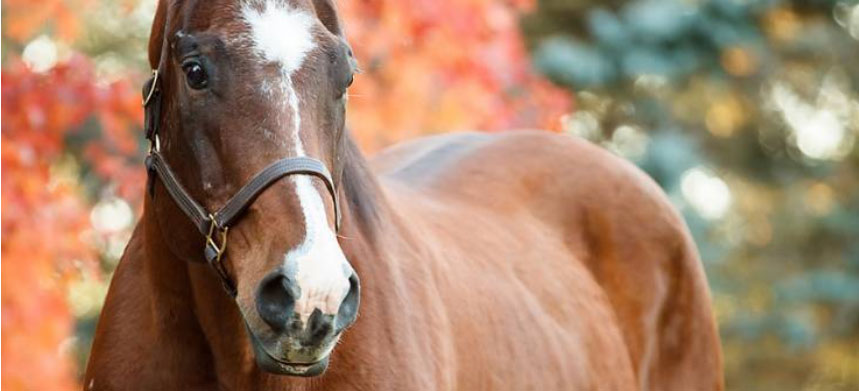
As temperatures cool and competition season winds down for many, autumn is a good time to plan for potential changes to a horse’s routine. Nutrition, water consumption, body condition, and exercise are always important, but these factors are intertwined all year long, no matter the season. A horse’s needs are not static, thus a quick checkup can help ensure horses stay happy and healthy through autumn.
Plan seasonal activities. Is your horse continuing to compete locally, taking the winter off, or prepping for a long haul for warm-weather competition? If the workload is staying relatively constant, it is possible that few dietary changes are necessary. Lightening up training could mean lower calorie needs, depending on the horse.
On the other hand, if you are traveling to a winter circuit, training may intensify or even peak, and dietary needs may need to be adjusted accordingly. When traveling, bring along at least some hay from home to help ease the transition to whatever forage is available at your destination. Trailer travel can also affect a horse’s gastrointestinal tract, so it may be useful to add support from nutritional supplements specifically designed for gastric and hindgut health.
Watch temperatures and haircoat status. No matter the training schedule, low temperatures mean that a horse will need more energy to keep warm. A horse with a clipped coat needs some special attention in this regard. Blankets or rugs are essential for horses with clipped coats, but shorter coats mean a horse’s critical temperature (the temperature at which a horse needs more energy to stay warm) will be higher compared to a horse with a full coat. A horse with a full coat may remain comfortable at 32° F (0° C), whereas a clipped horse may need help staying warm below 59° F (15° C).
The best way to help a horse stay warm from a dietary standpoint is to increase the amount of forage in the diet through the provision of extra hay, soaked beet pulp, or hay cubes. Horses ferment fiber in the cecum, and a byproduct of fermentation is heat. The cecum is the “fermentation vat” that also serves as a horse’s internal heater, thus feeding forage is a good strategy for helping a horse stay warm in colder months.
Catherine Whitehouse, M.S., a nutritionist at Kentucky Equine Research, advises, “No matter your plans for the fall and winter season, it is of key importance to keep an eye on your horse’s weight to make sure no major gains or losses occur.” This is especially true for horses that are off for the winter or that wear blankets. It is necessary to remove blankets regularly to keep an eye on body condition and monitor proper blanket fit as well.
Assess water consumption. With increased forage intake comes an increased need for water, so be sure horses are drinking enough and that water sources are accessible and free of solid ice. One study reported that in cold weather ponies drank more water when it was either continually warmed or had warm water added to the source compared to water that was at the near-freezing mark.* Horses will drink cold water, but bucket heaters or the addition of warm water once or twice daily may help encourage more intake. Restore SR (Restore in Australia) is a balanced electrolyte supplement that supports proper hydration and can help encourage water intake.
Contemplate hoof care. Work with your farrier to determine if any shoeing changes should be made for colder weather. Some opt to remove shoes while others may add snowball pads to prevent the buildup of snow and ice. Bio-Bloom PS (Bio-Bloom HF in Australia and certain other locales) is designed to provide optimal nutrition support for hooves and coat, and autumn is a great time to consider adding it to the diet.
Schedule a veterinary exam. Autumn vaccinations, dental checkups, and general health evaluations will help prepare a horse for changing seasons and potentially catch problems before they start. Your veterinarian can advise of any health concerns that may need special care in cold weather. “A dental evaluation can help ensure a horse has the proper dentition to chew the forage needed for warmth as temperatures chill,” recommended Whitehouse.
Survey turnout areas. Turning out horses has numerous benefits, foremost of which are free-choice exercise and social interaction with peers. Despite these benefits, danger lurks in some fields. “As pasture grasses become dormant, horses may be more inclined to taste-test weeds they would ignore at the height of growing season,” said Whitehouse.
Because of this, it is important that weed control measures are well established, and it is just as crucial that horses are provided an alternative forage source when on pasture during autumn and winter. Further, any dead branches that have fallen from trees should be picked up immediately. The dried leaves of certain species, particularly some maple trees, are toxic to horses and definitively linked to an atypical muscle disorder.
In summary, a horse’s dietary needs are not constant and should be evaluated seasonally to ensure all calorie and nutrient needs are being met appropriately. For dietary help, reach out to a nutrition advisor at Kentucky Equine Research.
- Uncovering Secrets | Seen Through Horses Campaign (2:56)
- We love the American Quarter Horse! Why is it such a popular breed?
- The Power of Horses | Breaking Barriers (5:26)
- Rood & Riddle Stallside Podcast - Leading the Way: Dr Katie Garrett on the Impact of the American Association of Equine Practitioners (28:42)
- Painful Horse Hoof - Satisfying Therapeutic Horseshoeing
- "Finding Her Voice" Story of Transformation | Seen Through Horses Campaign (3:02)
- Haynet Research in Horses: Something to Chew On
- Which Off-Track Thoroughbreds Are Most Desirable?
- Marguerite Henry and the Movies - book excerpt "Dear Readers and Riders: The Beloved Books, Faithful Fans, and Hidden Private Life of Marguerite Henry"
- Danger Zones with Julie Goodnight and Christy Landwehr
- 32 and You: An Owner's Guide to Genetic Tests in Horses (55:02) - Cornell Equine Seminar
- Poor Horse Behavior? It Could Be Pain Related
- The Power of Horses | Supporting Mental Health in Rural Communities (7:58)
- Tackling Thrush in Horses
- Addressing the Shortage of Equine Veterinarians: Nationwide Practices Join Together
- Rood & Riddle Stallside Podcast - Breaking Ground in Laminitis Research with Dr Andrew van Eps (38:13)
- Horse Miscarriages Offer Clues to Causes of Early Human Pregnancy Loss - Cornell Veterinary Medicine
- A 6-Step Guide to Keeping Your Horse Healthy
- Performing Treadmill Endoscopy at Rood & Riddle Equine Hospital (1:59)
- Rood & Riddle Stallside Podcast - Tall Fescue Woes: Insights on Endophyte Ingestion