





Health & Education
We all want the best care possible for our horses. The Heath & Education section covers both Learning Institutions, Organizations as well as many sources for equine assistance including Veterinarians and Farriers.
For those who want a to formally study horses, the Education section includes College Riding, Equine Studies, and Veterinary Schools. Learn about the wide variety of horses in the Horse Breeds section. Supplements and Treatments Therapy are also included in the section.
Everyone can learn from Fine Art and there are some specialty Museums that might surprise you.
Horses as a therapy partner enrich the lives of the disabled. These facilities are listed in our Therapeutic Riding section. To help children and young adults build confidence and grow emotionally, please see the resources available on the Youth Outreach page.
Looking for a place to keep your horse? You can find it in the Horse Boarding section. Traveling? Find a Shipping company or Horse Sitting service if your horse is staying home!
Want to stay up to date with the latest training clinics or professional conferences? Take a look at our Calendar of Events for Health & Education for the dates and locations of upcoming events.
Do we need to add more? Please use the useful feedback link and let us know!
The following is an excerpt from the book, Horse Tales for the Soul, Volume 7 in the series. This volume brings together more than 40 true, heartwarming, life affirming stories from horsemen around the globe. Enjoy!
Never Look a Draft Horse in the Mouth
Written by: Deb Lewin
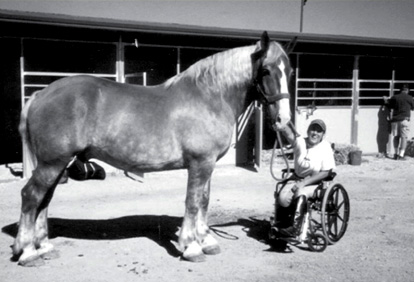
While driving in February, 1996, I was broadsided by another vehicle. I refer to this time as “My Opportunity.” After many surgeries and over a year of rehabilitation, I was told that I had reached MMI—Maximum Medical Improvement. That meant being propped up in a wheelchair with a neck brace, arm brace, back brace and leg brace after someone had showered me, washed my hair, dressed me and fed me.
I have a brain injury with left side paralysis, impaired vision and hearing and a host of other neurological and physical deficits. I had gone from being an independent woman and international able-bodied athlete to a woman needing assistance 24/7.
Read more: Horse Tales for the Soul "Never Look a Draft Horse in the Mouth"
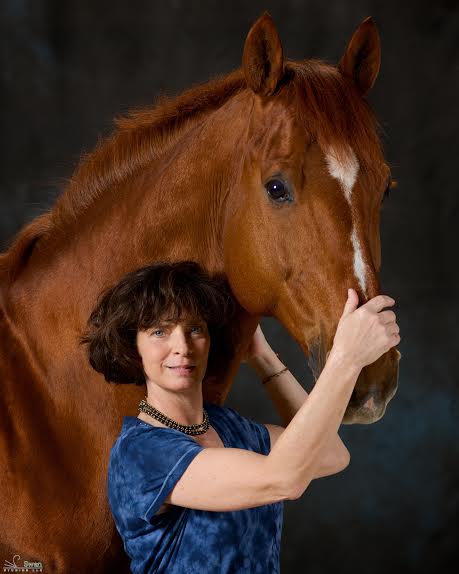
Brought to you by: Jennifer Kotylo, creator of the DVD series Improve Your Riding Through Movement available at jenniferkotylo.com.
In order to follow the motion of your horse correctly, your hip joints need to be able to move. Most people don’t even know where their hip joints are, let alone if they are moving correctly or not. Your hip joint is actually pretty deep within your pelvis, but can be felt along the front of your body in the middle of your groin.
They are not on the outside of your pelvis. Your hip joint is a classic ball and socket joint which means that your leg should be able to move in pretty much every direction with ease. Because most of us spend so much time sitting, these joints start to lose their mobility. Here are five easy-to-do movements that will get your hips moving again, allowing you to better follow the motion of your horse.
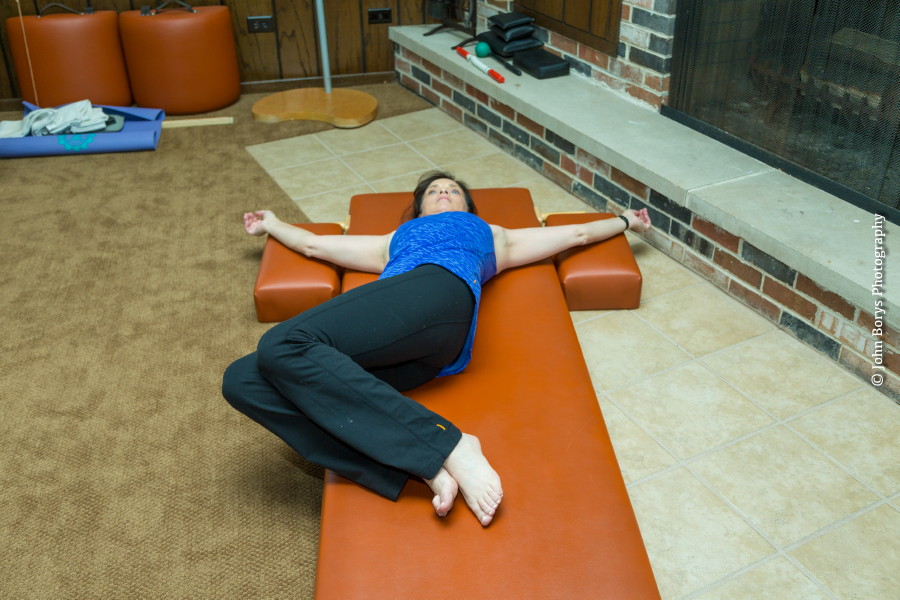 1. Knee Sways – Lay on the floor with your knees bent and your legs together. If your neck is uncomfortable, use a small pillow under your head.
Then, simply let your legs fall to one side and then the other. Don’t use any force, just allow your legs to move back and forth. This motion moves the ball of your leg around in your hip socket. As an added bonus, your lower back gets a nice stretch too. If the movement is flowing through your body correctly, you may end up scooting up the floor a bit. That’s a good thing!
2. Knee Circles – Lay on the floor with your knees bent. Make sure that your ankles, knees and hips are in alignment. Place a pillow under your head if your neck is uncomfortable. Keeping your knees bent lift one leg up and hold it behind your thigh with your hands.
Use your hands to make small circles, essentially stirring your leg bone within the hip socket. Circle the leg in both directions for a minute or two. Perform the circles with the other leg.
3. Ankle Rocking - Stand with your legs about hip distance apart. If you have balance issues, hold onto something stable. Stand on various parts of your feet; first your toes, then your heels, then the outside or your foot and then the inside. Play with these various stances for a couple of minutes.
Yes, your ankles are getting a workout, but so are your hips! For an added challenge, walk around while changing how you stand on your feet. If you place your hands on your hip joints you will feel how much your hips are moving in their sockets!
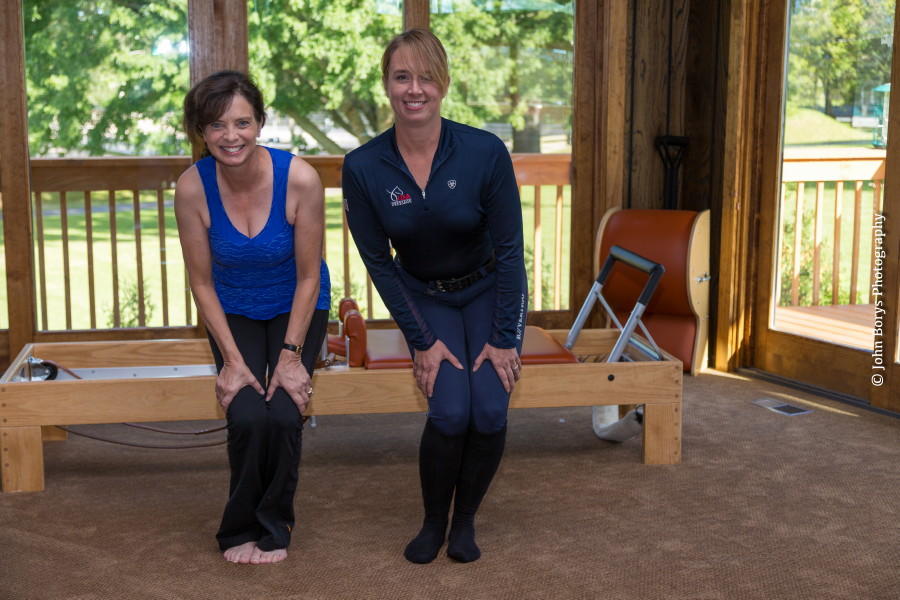 4. Squatting Circles - Stand with your legs together, squat down slightly and place your hands on your thighs. Keeping your hands on your thighs and your knees bent, start to circle your knees, first in one direction, and then the other.
Not only does this exercise supple your hips, but your knees, ankles and lower back too! Circle for about 1 to 2 minutes.
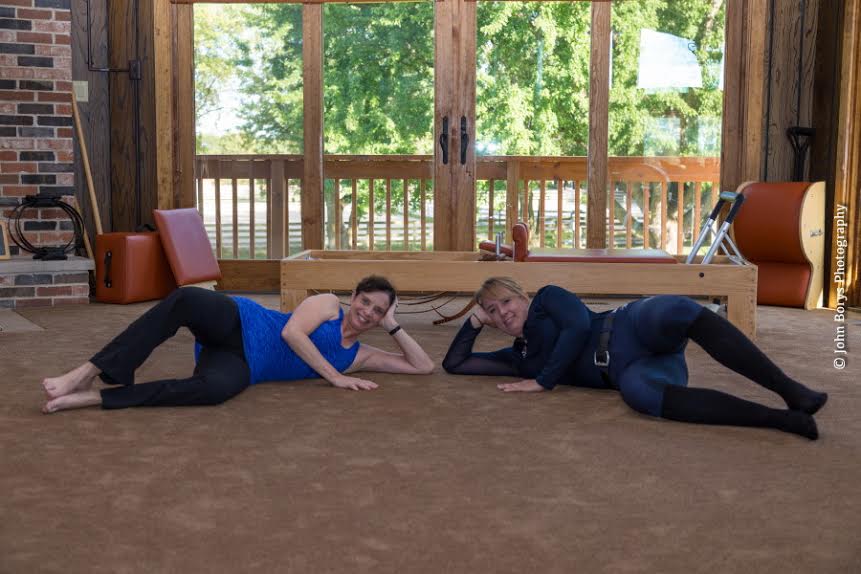 5. Clam Shells - Lay on the floor on your side. Try to make sure that your pelvis is perpendicular to the floor, not leaning either forward or back. Your legs should be stacked one atop the other, with your knees bent.
Keeping your feet touching, begin to slowly raise and lower your top knee, creating a clam-shell effect. Only raise your leg to the level where it naturally wants to go, don’t force it. Raise and lower approximately 10 times. Roll over and do the same movement with the other leg.
Don’t forget to smile. You are doing something wonderful for your body, enjoy the process!
Read more: 5 Simple Ways to Increase the Range of Motion in Your Hips