




Health & Education
We all want the best care possible for our horses. The Heath & Education section covers both Learning Institutions, Organizations as well as many sources for equine assistance including Veterinarians and Farriers.
For those who want a to formally study horses, the Education section includes College Riding, Equine Studies, and Veterinary Schools. Learn about the wide variety of horses in the Horse Breeds section. Supplements and Treatments Therapy are also included in the section.
Everyone can learn from Fine Art and there are some specialty Museums that might surprise you.
Horses as a therapy partner enrich the lives of the disabled. These facilities are listed in our Therapeutic Riding section. To help children and young adults build confidence and grow emotionally, please see the resources available on the Youth Outreach page.
Looking for a place to keep your horse? You can find it in the Horse Boarding section. Traveling? Find a Shipping company or Horse Sitting service if your horse is staying home!
Want to stay up to date with the latest training clinics or professional conferences? Take a look at our Calendar of Events for Health & Education for the dates and locations of upcoming events.
Do we need to add more? Please use the useful feedback link and let us know!
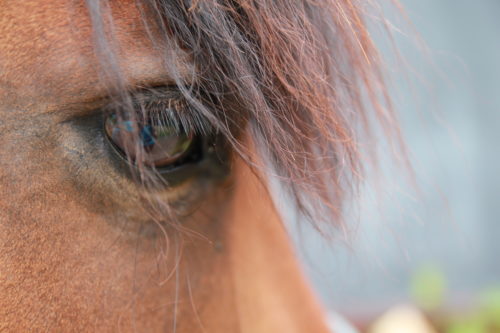
How can you tell when a horse is feeling stressed? It’s all in the eyes and the way their eyelids twitch, University of Guelph researchers have discovered.
A horse will blink less and twitch its eyelids more when it’s under mild stress, the research team found – a new finding that could offer handlers a simple, easy-to-spot sign their animal is becoming agitated.
The study, published in the journal Animals , is thought to be the first to reveal the significance of eyelid twitches as an indicator of stress, says Prof. Katrina Merkies, the study’s lead author.
“With humans, we already know our blinking changes when we are under pressure. Some studies have shown we blink more when agitated while others found we blink less. We wanted to see if horses blink rates change too,” said Merkies, a professor in the Department of Animal Biosciences at the Ontario Agricultural College.
Although many horse handlers can tell when their animals are agitated, it can sometimes be hard to get a good read on a horse’s mood — particularly if the animal has been well trained.
Read more: Horses Blink Less, Twitch Eyelids More When Stressed, U of G Researchers Find

Implement these safety best practices to help celebrate New Year's Eve with the greatest display of all – a safe, injury-free horse.
How does your horse react to fireworks?
In a recent horse owner survey, which examined the effects fireworks can have on horses, 99 percent of respondents indicated their horse exhibited fireworks-related anxiety – such as galloping, sweating, trembling and damaging fences – and 26 percent of horse owners reported their horse sustaining injuries due to such anxiety from fireworks.1 While multiple injuries were reported, the most common included cuts, sprains and broken limbs.
Maintain your horse’s health and safety. Before celebrating, ask your veterinarian about prescribing a tube of Dormosedan Gel® (detomidine hydrochloride) for your horse.
- Caring for “Winter Woolies”
- Equestrian Programs Benefit Veterans
- New Allergens Associated with Severe Equine Asthma
- Testing a New Therapy for Horses Struggling to Breathe
- Minerals and the EMS Equine
- Straight From the Horse’s Mouth: Equine Dentistry Basics
- Nutrition for the Pregnant Mare
- Monty Roberts: I Don’t Want My Students to Be As Good As Me
- How to Choose the Right Farrier for Your Horse
- What Horses Like
- 3 Ways to Learn to Ride Better - An Excerpt from Two Brains, One Aim
- Older Horses Need Supplemental Vitamin C
- The Resistance – Equine Parasites Rise Up
- Laminitis: A Year-Round Concern
- Quality Care for Tendons and Ligaments
- Feeding Flaxseeds: Do you have all the facts?
- 5 Red Flags You Should Not Ignore When Horse Shopping (And How to Address Them)
- The Secret to Healthy Horses? Keep it Simple!
- Horse Health: Equine Influenza and How to Minimize Your Risk
- Managing Horses in Hot Weather