




Health & Education
We all want the best care possible for our horses. The Heath & Education section covers both Learning Institutions, Organizations as well as many sources for equine assistance including Veterinarians and Farriers.
For those who want a to formally study horses, the Education section includes College Riding, Equine Studies, and Veterinary Schools. Learn about the wide variety of horses in the Horse Breeds section. Supplements and Treatments Therapy are also included in the section.
Everyone can learn from Fine Art and there are some specialty Museums that might surprise you.
Horses as a therapy partner enrich the lives of the disabled. These facilities are listed in our Therapeutic Riding section. To help children and young adults build confidence and grow emotionally, please see the resources available on the Youth Outreach page.
Looking for a place to keep your horse? You can find it in the Horse Boarding section. Traveling? Find a Shipping company or Horse Sitting service if your horse is staying home!
Want to stay up to date with the latest training clinics or professional conferences? Take a look at our Calendar of Events for Health & Education for the dates and locations of upcoming events.
Do we need to add more? Please use the useful feedback link and let us know!
In this episode of StallSide, our host, Dr. Peter Morresey, interviews dermatologist Dr. Julia Miller, who specializes in diagnosing and treating skin conditions. Dr. Miller sheds light on two common issues that horse owners may face: scratches and hives.
Scratches are a skin condition usually affecting horses’ lower legs but can be present in other areas of the body. Dr. Miller explains the causes of scratches using the three P’s- predisposing, primary, and perpetuating factors. She also discusses the benefit of tissue biopsies and prevention and treatment options, such as topical ointments and antibiotics.
Hives, on the other hand, are allergic reactions that can occur in horses due to various triggers, including Food, insect bites, and medications. Dr. Miller explains the symptoms of hives, which include raised bumps on the skin and itching and emphasizes the importance of identifying and removing the trigger. She also discusses when to call your veterinarian and treatment options, such as antihistamines and corticosteroids.
Read more: Rood & Riddle "Stallside" Podcast - Scratches and Hives Oh My! with Dr Julia Miller
by Cynthia Sutton for Equine Info Exchange
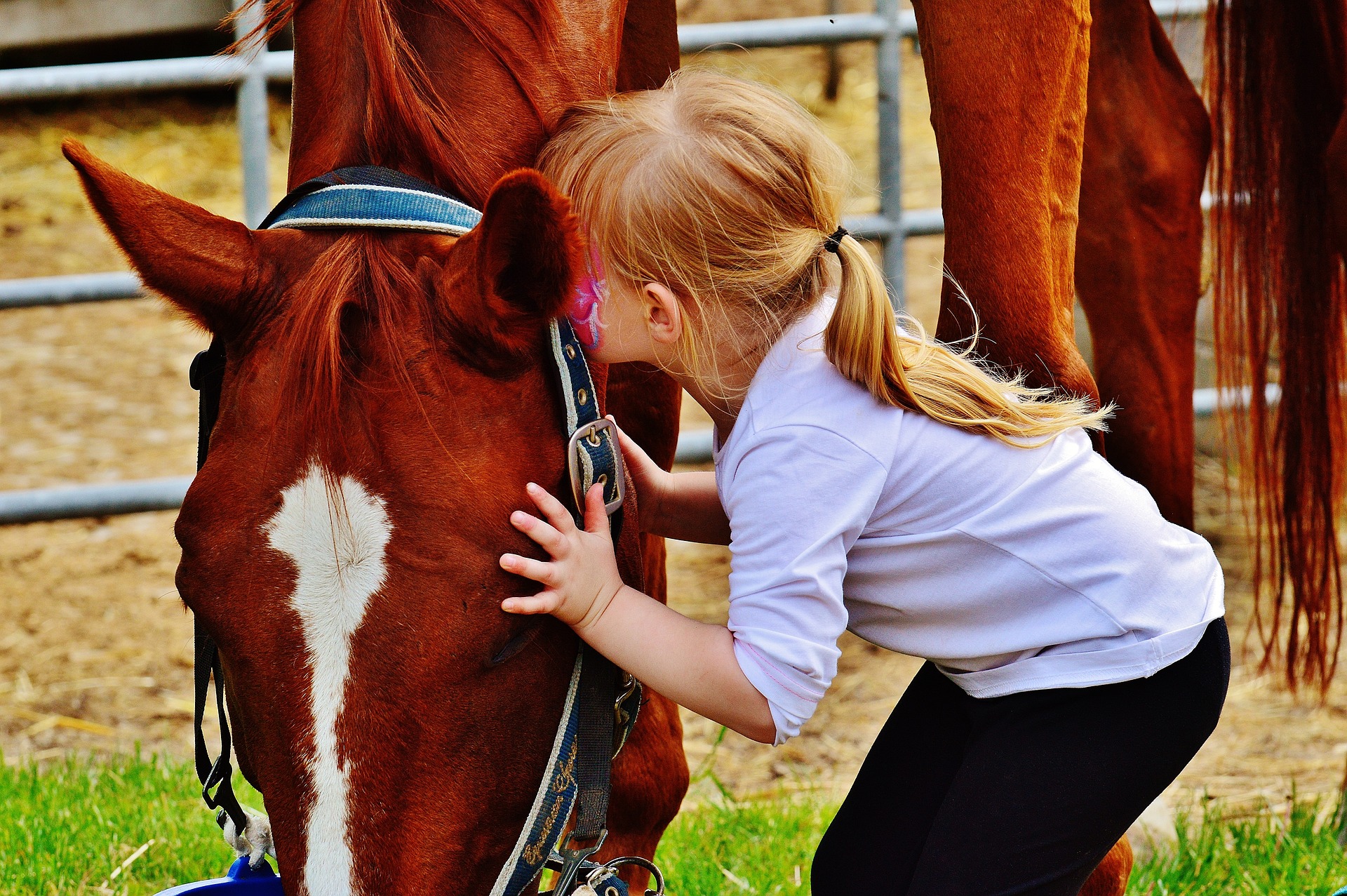
I remember learning to ride when I was seven years old when my mom bought me a book of lessons for Christmas. I was thrilled. I smile at the memory when I watch the video of me screaming with delight so many years ago. It was the start to a lifelong journey of riding horses and meeting the amazing people along the way who remain my friends to this day.
So, what do you do when your child shares your passion and wants to ride a horse?
Here are some ways to get the ball rolling:
- Check out the Pony Club in the United States to see what they have to offer. Others include Pony Club UK, Canadian Pony Club and Pony Club Australia.
- Join local groups on Facebook and ask for recommendations.
- Find a place to go trail riding where a beginner can experience a safe and leisurely ride.
- Seek out a summer camp where your child can learn to care for and ride a horse.
- See if a friend has a horse and schedule a visit with your child. It may at least give him or her a chance to groom!
- List a request on the website Nextdoor for recommendations in your area.
- See if there is a College or Preparatory school with a riding stable to see if your child can get involved.
- Go to the local feed store like Tractor Supply and see if they have a bulletin board.
- Go to the local tack store and see if they have bulletin board as well!
- Ask your friends for suggestions on places to go!
If you are interested in lessons, you may be looking for a barn. Finding a barn for a child is different than finding a barn for adults. It is highly recommended to check out possible barns before you bring your child with you.
Look for these things:
- Is it priced within your budget? You don’t want your child to fall in love with a stunning barn only to learn it is unaffordable.
- Is it clean? A well maintained barn is always important and sets a good example for your child.
- Check the tack room. Is there a place for you if you bring in your tack or is it messy and overcrowded?
- Are there lots of kids running around? It is important to ensure that the kids in the barn are properly supervised.
- Look at the refrigerator if there is one. Is it full of wine and beer or drinks appropriate for children? 6
- Are the horses receiving proper care? Bad horse care is a huge indicator of bad management, issues with funds or uneducated owners.
- Are the instructors kind? We have seen many coaches and trainers in all sports who have an intensity of training future Olympians. Chances are, you are just seeking fun for your child – not a soul crushing experience.
- Is it conveniently located? Your child may fall in love with riding and may want to go as often as possible. Make sure it’s convenient especially if you are in the winter months and live in a place which snows!
- Is it recommended by people you trust? Word of mouth is extremely helpful and can give you the “inside scoop” about barns you may be considering.
- Is there a work to ride program? Some places offer an exchange program where a child can help around the barn to get discounted rides or lessons. We know lots of (now) adults who did that as kids and helped provide a foundation in work ethics.
Other great resources to see shows and figure out a discipline to pursue are the United States Equestrian Federation and the Fédération Equestre Internationale (FEI).
Have fun, be safe and remember – always wear a helmet!
There are other interesting articles in our section on Health & Education.
- Biosecurity Education & Training
- Sample Lesson: First Lope with Tara Reimer (17:12)
- Obese Equine Athletes: Are These “Unhealthy” Healthy Horses?
- Facility Design with Biosecurity in Mind
- What's In Your Hay?
- Reading Horse Behavior with Dale Rudin (7:55)
- Why Do Horse Breeders Terminate a Twin?
- Rood & Riddle Stallside Podcast: The Importance of Ultrasound with Dr Colton Thacker (26:33)
- Infection Disease Control tips for Horse Farms - Dr. Scott Weese (15:62)
- Why the Sudden Behavior Change in My Horse?
- Hydrolyzable Carbohydrates and the Metabolic Horse
- Rood & Riddle Stallside Podcast - 0:03 / 27:14 • Intro The Most Interesting Guest so Far with Dr Bart Barber - Episode 50!
- Catching the Horse in a Paddock with Teresa Kackert (5:29)
- Equine Guelph Declares February Colic Prevention Education Month
- The History Of Equine Slaughter In The United States (Part 2 In A Series)
- Rood & Riddle Stallside Podcast - The PET Scan, Old Technology, New Applications with Dr Katie Garrett and Dr Jose Bras (33:01)
- To Shoe or Not to Shoe? An Excerpt from Shoeing the Modern Horse
- Rood & Riddle Stallside Podcast - The Time is Right for Your Barren Mare’s Check up with Dr Pete Sheerin (37:37)
- Ten Tips for Lunging Your Horse
- 5 Tips to Help You Train Your Horse