





Health & Education
We all want the best care possible for our horses. The Heath & Education section covers both Learning Institutions, Organizations as well as many sources for equine assistance including Veterinarians and Farriers.
For those who want a to formally study horses, the Education section includes College Riding, Equine Studies, and Veterinary Schools. Learn about the wide variety of horses in the Horse Breeds section. Supplements and Treatments Therapy are also included in the section.
Everyone can learn from Fine Art and there are some specialty Museums that might surprise you.
Horses as a therapy partner enrich the lives of the disabled. These facilities are listed in our Therapeutic Riding section. To help children and young adults build confidence and grow emotionally, please see the resources available on the Youth Outreach page.
Looking for a place to keep your horse? You can find it in the Horse Boarding section. Traveling? Find a Shipping company or Horse Sitting service if your horse is staying home!
Want to stay up to date with the latest training clinics or professional conferences? Take a look at our Calendar of Events for Health & Education for the dates and locations of upcoming events.
Do we need to add more? Please use the useful feedback link and let us know!
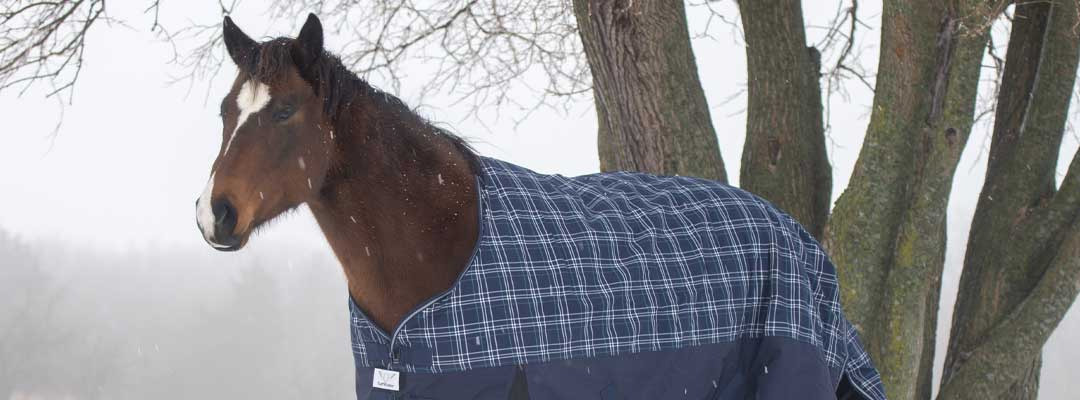
Horse owners, are you geared up to keep horses in winter time safe, sound and healthy? There is much to think of, and plan ahead for, as it relates to winter horse care -- especially if you are caring for an older horse.
Our friends at Absorbine said, “Winter can be particularly tough on our beloved senior horses. Cold temperatures can mean stiff, sore joints, snow and ice can be a challenge to navigate, and brisk Northern winds can deliver a deeper chill to old bones.”
How can you take extra precautions to keep an older horse comfortable this winter? Read up on these tips from Absorbine.
- Keep older horses snug in a rug.
Although horses in good health with full coats do just fine in the winter elements without a horse blanket, senior horses in winter often need a little extra warmth. If you have a senior horse that has trouble keeping weight, has particular health issues, or doesn’t grow as thick a coat as he once did, it’s a good idea to provide them with a blanket.
Waterproof and windproof is best, protecting them from icy gales and wintery mix precipitation that can permeate the coat and chill him to the bone. Make sure the blanket fits well, doesn’t cause rubs, and straps are secure and properly adjusted. It’s also important to remove the blanket regularly to groom and check their weight. Last, outdoor horses of all ages need a wind shelter in cold temperatures. A basic lean-to with a roof for them to stand under is all you need to keep the worst of the rain, snow and wind off your horse. They’ll be warm, cozy and stylish all winter long.
- Pack on the calories.
Winter is of course the time for horses to bulk up, as they use the calories they intake to feed their inner furnace and keep them warm from the inside. Older horses often aren’t able to utilize their calories as well as they did as youngsters, and are typically on the leaner side anyhow.
Sometimes, our old friends need a little extra help staying plump when it’s cold. Hay is the key here, and more of it. Increasing your senior horse’s helping of quality hay in the winter will help add calories and keep his body warm. As a horse’s back teeth wear down with age, older horses may have trouble chewing their food, so be sensitive to that. And if this is the case, look to alternatives like hay cubes that can be soaked until soft for easy chowing.
- Ensure horses are hydrated.
Proper hydration is critical for all horses but especially senior horses in winter. They are prime candidates for impaction colic, and lots of water will help reduce that risk and keep everything moving smoothly through the system. Be sure to supply your horse with plenty of clean water that is a comfortable temperature to drink all day, every day. Be sure to keep it from freezing by keeping it protected or using insulated and heated buckets. If your older horse is reluctant to drink, try warmer water, or add a little apple juice for a tasty treat. Keeping a salt lick accessible will also help him work up a thirst.
- Keep paddocks safe.
You definitely don’t want your senior slipping and falling out in the winter elements, so inspect paddocks and pastures regularly to make sure they are accessible and safe for the old folks. Keep icy spots in check by sanding regularly, and clear paths if the snow is very deep. Access to shelter is a great source of comfort for senior horses in winter; a simple lean-to shed can be enough to offer relief from snow, wind, ice and rain.
- Ensure horses are comfortable.
ButeLess, a favorite Devil’s Claw supplement for horses, is known for bringing relief from the aches and discomfort that may be exacerbated in cold winter months. To help ease the aches and pains that bitter cold winters accentuate, include a scoop in your senior horse’s daily feed. The Devil’s Claw, Vitamin B-12, and Yucca will provide long-term relief the natural way.
These ingredients are gentle on the stomach, so you can deliver the relief your senior needs without worrying about upsetting his tummy. Stiff, creaky joints are common in the winter, but with a little ButeLess, he’ll be bounding happily through snowdrifts until spring.
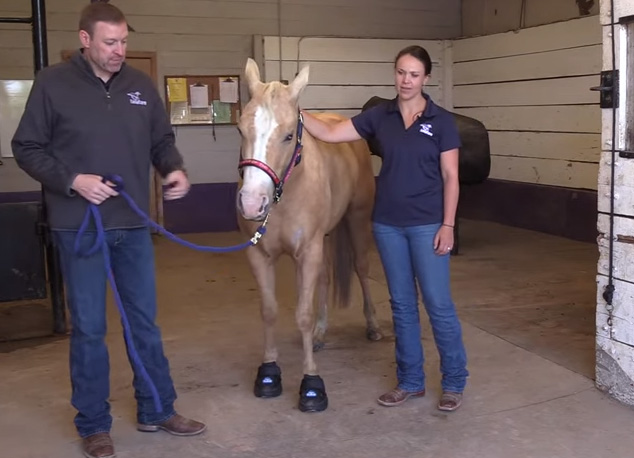
Hoof boots provide horses with the support they need for everyday use, therapy, trailering and more. When purchasing hoof boots at Valley Vet Supply, each product page will have a horse boot size chart, which you can specifically look to, in order to make the best sizing decision for your horse. Learn all about measuring for hoof boots in the article and video below, and implement the following four tips to help ensure proper hoof measurement for your horse's Easyboots and Easycare hoof boots.
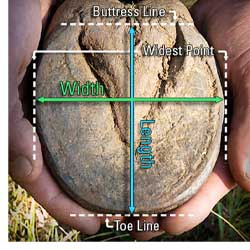
Horse Hoof Boot Size Chart
- After a fresh trim, measure the width of the hoof across the bottom at the widest point.
- Measure the length of the hoof from the toe to the buttress line of the heel. The buttress line is the farthest weight-bearing point of the heel where the hoof wall ends. Do not include the heel bulbs in the measurement.
- Compare your measurement with the appropriate size chart. Each boot style has its own unique size chart.
- Ideally, the length and width measurement will fit into the same size. If the length and width measurements indicate different sizes, select the larger size. If the width and length measurements are different by more than one size, your selected boot style is not recommended.* Be sure to check your measurements against an alternative boot in the EasyCare line, as another style may better accommodate your horse’s hoof shape.
Look to our selection of hoof boots to provide your horse constant hoof protection, while still enjoying the benefits of a barefoot horse. Measuring for hoof boots doesn't have to be hard. Check out this EasyCare blog for a fitting assistant! There, you can use your smartphone or a digital point-and-shoot camera to take crisp images of your horse's hoof, and answer a few brief questions, for assistance with hoof boot fitting and sizing. An Easy Care representative will be in contact with you within just one business day to help you determine sizing, and then you can place your order at Valley Vet Supply for Secretariat-fast shipping.
- The Benefit of Barn Cats!
- Treating a foal's Overbite with Dr Brad Tanner from Rood & Riddle Equine Hospital
- Biosecurity for Horse Owners
- Biosecurity: When and How to Isolate
- Do You Ride Big or Small? and excerpt from "Ride Big" by John Haime
- Rood & Riddle "Stallside" Podcast - The Science and Benefits of Equine Plasma with Sarah Myer Thompson (38:11)
- Olfactory Stimulation Enriches Horses’ Environments
- Whole Food Options to Boost Protein Quality
- Monty Roberts Gentling Your Spooky Horse (4:17)
- The Biomechanics of Engagement :The Essential Components of Self Carriage (18:19)
- Monty Roberts: A Real Horse Whisperer (49:43)
- Julie Goodnight: Don't wear a bike helmet for horseback riding-- here's why.... (0:30)
- Julie Goodnight: Quick Tip to Stay out of Horse's Kick Zone, CHA (0:29)
- The Uniqueness of Icelandic horses, Part 2 (7:15)
- Beyond Dust Reduction: Soaking Hay Improves Lung Function in Asthmatic Horses
- Air Quality and Air Pollution’s Impact on Your Horse’s Lungs
- Restricting Forage is Incredibly Stressful - Choose a different approach for weight loss
- Reading the Horse's Vital Signs with Teddy Franke (1:43)
- The Uniqueness of Icelandic horses - Part 1 (8:02)
- Blanketing the Horse Safely with Tammi Gainer (8:35)