




Health & Education
We all want the best care possible for our horses. The Heath & Education section covers both Learning Institutions, Organizations as well as many sources for equine assistance including Veterinarians and Farriers.
For those who want a to formally study horses, the Education section includes College Riding, Equine Studies, and Veterinary Schools. Learn about the wide variety of horses in the Horse Breeds section. Supplements and Treatments Therapy are also included in the section.
Everyone can learn from Fine Art and there are some specialty Museums that might surprise you.
Horses as a therapy partner enrich the lives of the disabled. These facilities are listed in our Therapeutic Riding section. To help children and young adults build confidence and grow emotionally, please see the resources available on the Youth Outreach page.
Looking for a place to keep your horse? You can find it in the Horse Boarding section. Traveling? Find a Shipping company or Horse Sitting service if your horse is staying home!
Want to stay up to date with the latest training clinics or professional conferences? Take a look at our Calendar of Events for Health & Education for the dates and locations of upcoming events.
Do we need to add more? Please use the useful feedback link and let us know!
By the EIE Editorial Staff
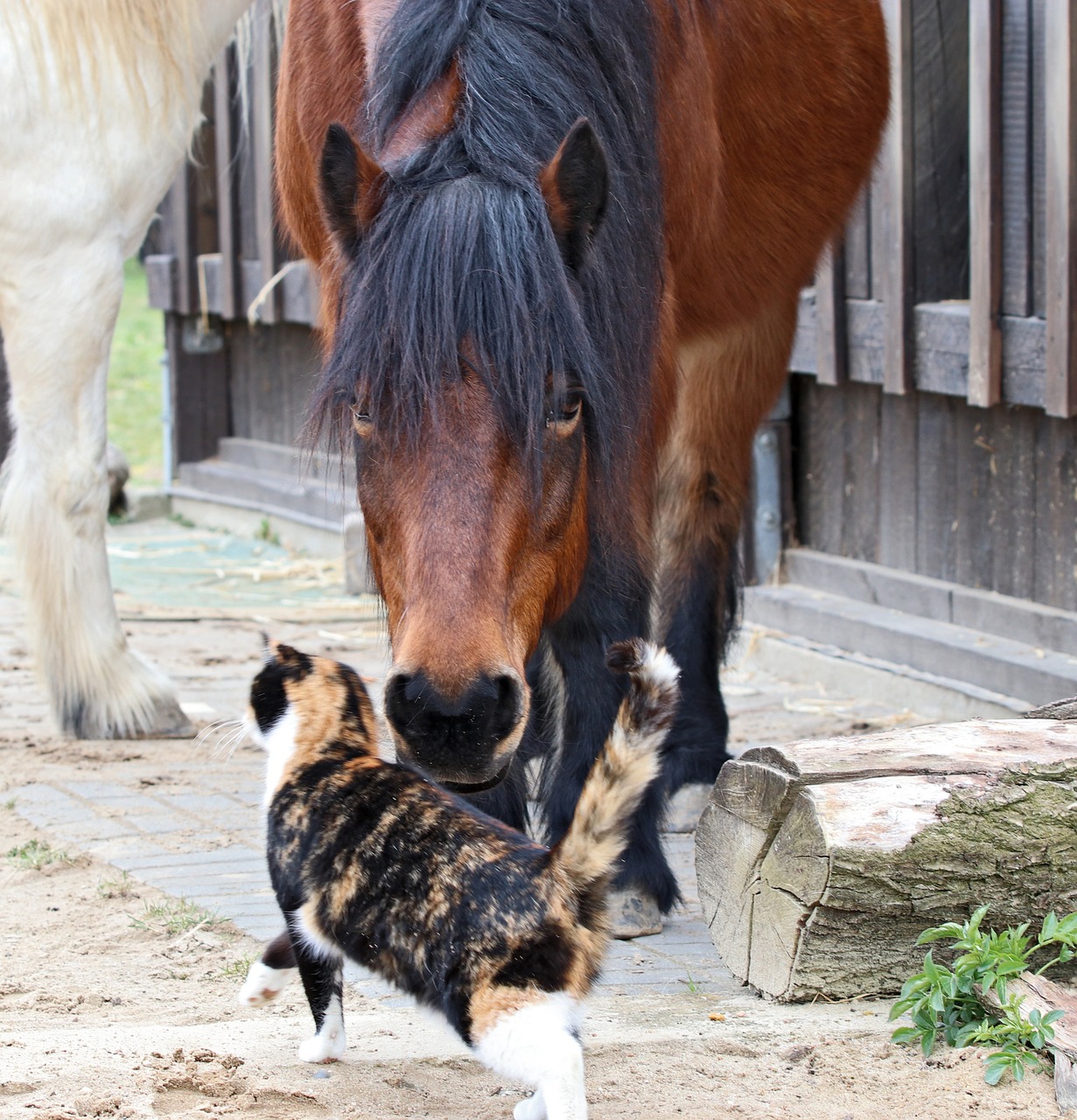
Barn cats can be amazing allies for horse owners, providing both direct and indirect benefits and a great greeter when you visit your horse at the barn! The barn environment may also be a place where cats who are otherwise unadoptable can live a happy and fulfilling life. Here are some of the benefits of having a barn cat.
Pest Control
- Natural hunters: Their primary benefit is keeping rodent populations in check. Mice and rats can damage feed, spread disease, and even gnaw on horses' tails and manes. By taking care of these pests, barn cats help protect your horses' health and well-being.
- Deterrence: Even their presence can deter rodents. Their keen senses and reputation as predators scare away unwanted critters, reducing the need for other pest control methods.
Cost-Effective
- Sustainable solution: Compared to traps, poisons, or professional pest control services, barn cats are a more natural and cost-effective solution over time.
- Low-maintenance: While you'll need to provide food, water, and shelter, they generally take care of themselves, requiring minimal intervention. A great idea is affordable pet insurance.
Other Benefits
Specifically for Horses
- Reduced stress: Some horses seem to be less anxious with cats around, which can be helpful for nervous or easily spooked horses.
- Pest control around feed: Rodents can contaminate feed with droppings and attract other pests. Barn cats help keep feed areas clean and safe. Reduced risk of disease: Rodents can carry diseases harmful to horses, and keeping their populations low minimizes the risk of transmission.
However, it's important to remember
- Not all cats are suitable: Choosing barn cats with the right temperament and hunting skills is crucial. Consider adopting feral cats with strong hunting instincts. Many rescue organizations call them “working cats” and may be available through your local animal shelter.
- Proper care is essential: Provide them with food, water, shelter, and regular veterinary care, including vaccinations, spay/neuter and parasite control. As these are generally outdoor cats, it is vital that these cats have regularly scheduled veterinary appointments as they are exposed to much more than indoor cats.
- Safety first: Ensure cats and horses can interact safely. Introduce them gradually and provide enough space and escape routes for both.
Overall, barn cats can be valuable additions to a horse farm, offering natural pest control, companionship, and contributing to a healthy environment. But remember, proper care and responsible management are essential for everyone's well-being.
Read more about cats in the special edition of National Geographic’s Secret Life of Cats.
You can find more interesting stories in our section on Health & Education.
There have been impressive advancements in equine dentistry during the past few years. From cavity filling, periodontics, and root canals to orthodontics and oral surgery. Today Dr. Brad Tanner, one of the few boarded equine dentists in the world, treats an overbite in a thoroughbred foal.
Read more: Treating a foal's Overbite with Dr Brad Tanner from Rood & Riddle Equine Hospital
- Biosecurity for Horse Owners
- Biosecurity: When and How to Isolate
- Do You Ride Big or Small? and excerpt from "Ride Big" by John Haime
- Rood & Riddle "Stallside" Podcast - The Science and Benefits of Equine Plasma with Sarah Myer Thompson (38:11)
- Olfactory Stimulation Enriches Horses’ Environments
- Whole Food Options to Boost Protein Quality
- Monty Roberts Gentling Your Spooky Horse (4:17)
- The Biomechanics of Engagement :The Essential Components of Self Carriage (18:19)
- Monty Roberts: A Real Horse Whisperer (49:43)
- Julie Goodnight: Don't wear a bike helmet for horseback riding-- here's why.... (0:30)
- Julie Goodnight: Quick Tip to Stay out of Horse's Kick Zone, CHA (0:29)
- The Uniqueness of Icelandic horses, Part 2 (7:15)
- Beyond Dust Reduction: Soaking Hay Improves Lung Function in Asthmatic Horses
- Air Quality and Air Pollution’s Impact on Your Horse’s Lungs
- Restricting Forage is Incredibly Stressful - Choose a different approach for weight loss
- Reading the Horse's Vital Signs with Teddy Franke (1:43)
- The Uniqueness of Icelandic horses - Part 1 (8:02)
- Blanketing the Horse Safely with Tammi Gainer (8:35)
- Riding Exercises to Improve Rider Position with Christy Landwehr from Certified Horsemanship Association (9:50)
- Why Wear a Helmet? Riders Share Harrowing Close Calls