




Health & Education
We all want the best care possible for our horses. The Heath & Education section covers both Learning Institutions, Organizations as well as many sources for equine assistance including Veterinarians and Farriers.
For those who want a to formally study horses, the Education section includes College Riding, Equine Studies, and Veterinary Schools. Learn about the wide variety of horses in the Horse Breeds section. Supplements and Treatments Therapy are also included in the section.
Everyone can learn from Fine Art and there are some specialty Museums that might surprise you.
Horses as a therapy partner enrich the lives of the disabled. These facilities are listed in our Therapeutic Riding section. To help children and young adults build confidence and grow emotionally, please see the resources available on the Youth Outreach page.
Looking for a place to keep your horse? You can find it in the Horse Boarding section. Traveling? Find a Shipping company or Horse Sitting service if your horse is staying home!
Want to stay up to date with the latest training clinics or professional conferences? Take a look at our Calendar of Events for Health & Education for the dates and locations of upcoming events.
Do we need to add more? Please use the useful feedback link and let us know!
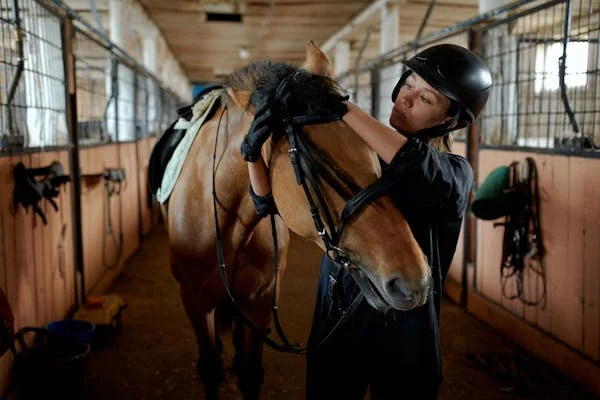
A horse can be a great companion. The nature of the association may stem from companionship, riding pleasure, or competing in contests. Assuring the health of your horse requires a dedicated journey of care and attention to detail. This includes giving them the right diet, getting regular check-ups and ensuring they have a suitable living environment and regular exercise schedule. Here is an ultimate guide for keeping your horse healthy.
1. Well-Balanced Diet
A well-balanced diet is key to health, regardless of your horse’s age, breed, and activity level. Having experienced different life stages during their lifetime, and some working harder physically than others, horses are subjected to various requirements.
- Young and growing horses need diets rich in protein and calcium for correct development.
- Older horses may need easily digestible feeds with supplements added to the diet to help maintain health.
- Performance horses need higher energy intake than those used for leisure.
Essential nutrients would include carbohydrates for energy, proteins for the development of muscles, and fats for supplying energy and maintaining good coat condition, with the addition of vitamins and minerals to maintain general health.
Supplementary feeds like salt blocks can complement the required electrolytes. Feeding schedules should stay as close as possible to a horse’s natural grazing habits by providing forage continually throughout the day while sectioning out grains and concentrates to avoid digestive complications and obesity. In some cases, a horse energy supplement may be beneficial for maintaining stamina during training or competition.
2. Hydration
Adequate water intake is essential for overall health, digestion, thermoregulation, and cellular functions in your horse. Access to fresh, clean water should always be available for horses. Horses consume five to 15 gallons of water within a 24-hour period, though this may increase in hot weather or after long rides.
Some signs of dehydration to look for in a horse include reduced skin elasticity, dry mucous membranes, and sunken eyes. It is also crucial not to over-hydrate, since this may cause an electrolyte imbalance. Keep replenishing your water source; heating may be recommendable during the cold months.
3. Veterinary Care and Routine Check-Ups
Regular check-ups allow problems to be identified at the initial stage and solved before it’s too late. Common problems among equines include colic, lameness, or breathing difficulties, which can be sorted out with a regular check by a veterinarian.
Preventative care is the key to good health. Vaccinations will prevent influenza, tetanus, and West Nile virus. Make sure to practice good dental care with regular check-ups and floating (filing teeth) to prevent dental problems that impact feeding and nutrition. Also schedule deworming to give no room for internal parasites to manifest.
4. Exercise and Physical Fitness
A well-rounded exercise program will be important to your horse’s physical and mental health. An appropriate amount of exercise means one that agrees with the size, breed, or age of your horse and their present level of fitness.
Regular sessions help maintain muscle and cardiovascular fitness and joint flexibility, adding to overall fitness. Other exercise benefits for horses include maintaining a healthy weight, improving digestion, and enhancing immune function. Additionally, regular activity strengthens the bond between horse and owner, fostering trust and cooperation. Whether riding, lunging, or turning out in a paddock, consistent physical activity leads to a fit and happy horse.
5. Proper Grooming and Hygiene
Daily grooming practices are necessary for a clean and healthy horse. Good grooming can eliminate dirt, debris, materials, and loose hair. Ensure that you inspect your horse daily for any injuries or skin conditions. Brushing, combing, and hoof picking complement each other as essential tools for grooming. Regular sessions also help bind you to your horse more effectively.
Attention should also be given to a clean and safe living environment. Stables should be dry, spacious, and free of hazards. To stop hazardous bacteria and parasites from growing, clean stables and equipment on a regular basis. A clean atmosphere improves your horse’s overall health by lowering the possibility of respiratory problems or other health problems.
6. Mental and Emotional Welfare
Horses are social animals that want to interact and stimulate their interests. For mental and emotional needs, ensure that your horse has some aspect of social interaction with other horses. Some enrichment activities include providing toys and creating stimulating environments to keep your horse engaged and mentally active.
It’s important to be able to recognize the signs of stress or behavioral problems. Any change in behavior or appetite could indicate that something is wrong. A calm and content horse can be maintained through consistent positive reinforcement, or with the help of an equine behaviorist.
Endnote
Following the best practices mentioned above is the best way to ensure your horse leads a healthy life. Consider what it eats and drinks, along with providing it with regular exercise and maintaining good hygiene. You also need to also prioritize veterinary services to keep their health in check.
You can find more informative articles in our section on Health & Education.
Problems involving the upper airway are a common cause of decreased athletic performance. The treadmill allows the clinician to examine the upper airway of an equine athlete while it is exercising at high speed. This type of dynamic evaluation is very useful in determining if the horse has an upper airway abnormality affecting performance. There are certain abnormalities of the upper airway that only become evident during exercise and will not be seen during a resting endoscopic evaluation. The examination is tailored to the type of work and the level of fitness for each horse, mimicking the speed and distance that the horse typically works. The endoscopic examination is recorded and evaluated in slow motion so that subtle abnormalities are identified.
Read more: Performing Treadmill Endoscopy at Rood & Riddle Equine Hospital (1:59)
- Rood & Riddle Stallside Podcast - Tall Fescue Woes: Insights on Endophyte Ingestion
- Rood & Riddle Stallside - Understanding Equine Biomechanics and Farriery with Dr Jenny Hagen
- Regenerative Medicine Therapies in Horses
- Educational Benefits of Equine-Assisted Learning Programs for Students
- Why is the Mule the Most Important Member of the Horse Family? Cornell Equine Seminar
- Five Tips for Keeping Your Horse Sound - Cornell Vet Equine Seminar Series
- Deworming the horse using a paste syringe with Teresa Kackert
- Stable Vices: Theirs or Ours? Abnormal Behavior in Horses
- FAQ: Lameness and Arthritis in Horses
- How to Safely Pony a Horse with Teresa Kackart (6:55) - Certified Horsemanship Association
- Equine Emergencies 101: What To Do When the Worst Happens from Cornell Equine Seminar
- Pre-purchase Headaches in the Sport Horse
- Sources of Magnesium - Including Whole Foods
- The Grayson-Jockey Club Research Foundation: Improving the Ability to Diagnose Spinal Cord Diseases
- Leadership Isn’t as Simple as it Sounds - an Excerpt from "How Two Minds Meet"
- CBD and other Cannabinoids – How they can benefit you, your horses, and your pets
- Foal Handling with Monty Roberts (2:00)
- Rood & Riddle Stallside Podcast: Sport Horse Medicine & Innovative Therapies with Dr Daniel Devis
- Melatonin: Can It Predict Your Horse’s Temperament?
- Summer Safety: Barn Fans & Automatic Horse Waterers