




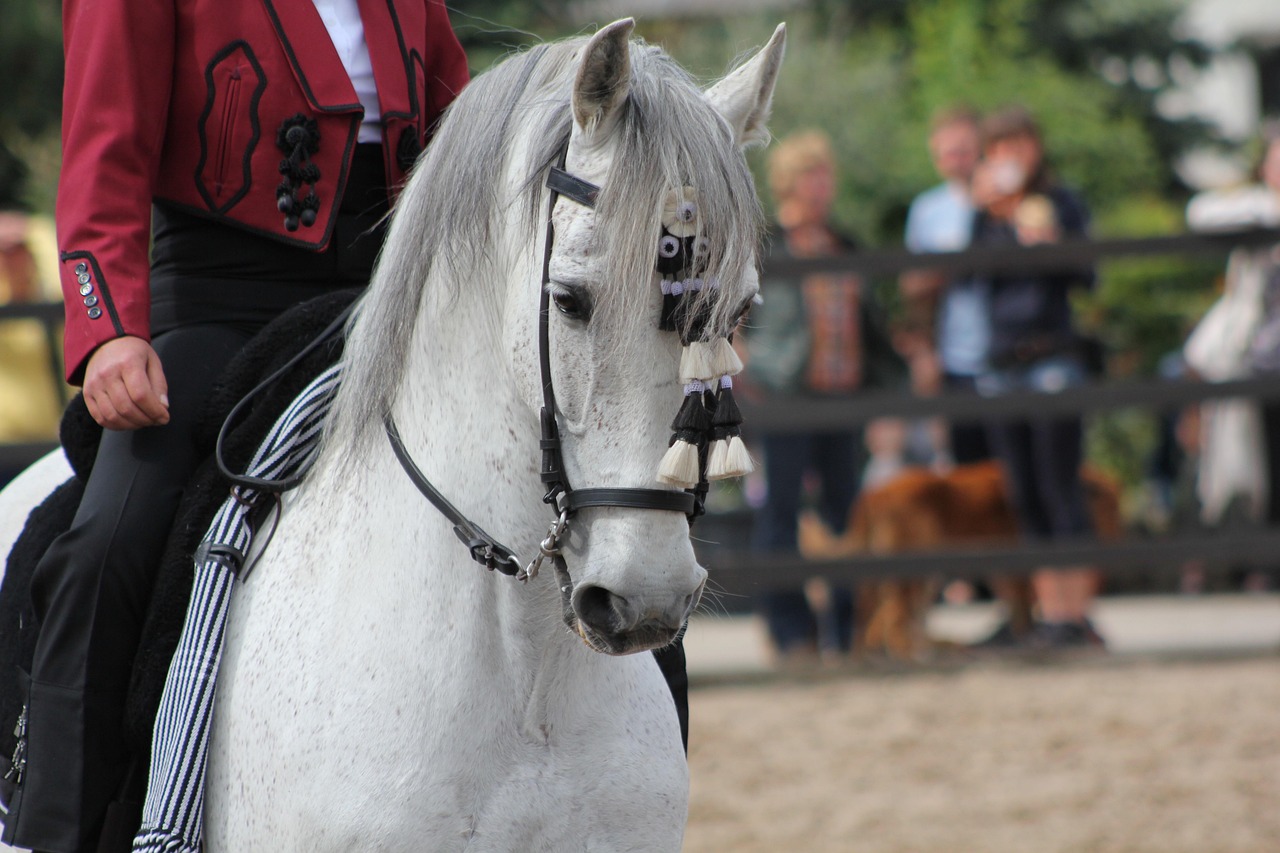
There is a special connection between horses and the landscapes of Spain. From the rolling Andalusian countryside to the vast plains of Castile, Spain has long been a country where equestrian traditions are woven deeply into the rhythm of daily life.
For centuries, the horse has symbolized grace, power, and pride, shaping both the culture and the countryside. Today, that legacy continues, attracting riders, breeders, and enthusiasts from around the world who dream of a life surrounded by open skies, olive groves, and the quiet companionship of horses.
A Legacy Rooted in Tradition
The Spanish horse, known for its intelligence and elegance, has a history that stretches back more than a thousand years. The Andalusian, or Pure Spanish Horse, remains one of the most admired breeds on earth. Its influence can be seen in the formation of many other breeds, from the Lipizzaner of Austria to the Lusitano of Portugal.
What makes this horse remarkable is not just its beauty but its spirit. Calm yet powerful, it reflects the grace of a country that values patience, skill, and balance.
Spanish equestrian culture is a living tradition. In rural villages, festivals celebrate the harmony between rider and horse, with parades, dressage demonstrations, and regional competitions that bring entire communities together. This devotion to horsemanship is not limited to professionals or breeders; it is part of Spain’s identity, present in both its history and its modern way of life.
The Landscape of the Horse
The Spanish landscape is as varied as it is breathtaking. From the lush, green hills of Galicia to the sunlit pastures of Andalusia, the environment is as inviting for horses as it is for their riders. The country’s geography provides diverse conditions for training, breeding, and leisure riding. Mountain trails, sandy beaches, and expansive meadows create an ideal natural setting for equestrian activities.
In southern regions such as Andalusia, the climate allows for year-round riding, with mild winters and long sunny days. Many stables are designed to make the most of the natural surroundings, blending traditional architecture with functionality. Courtyards, shaded walkways, and open arenas reflect a culture that has learned to live in harmony with both horse and land.
It is this blend of natural beauty and cultural heritage that continues to draw people from around the world. Those who dream of creating an equestrian home often begin by exploring property for sale Spain, where rural estates, fincas, and modern equestrian centers offer a chance to combine lifestyle with passion.
Equestrian Estates and Country Living
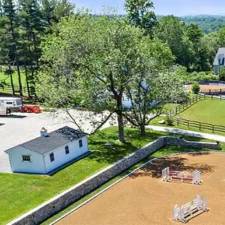
Spain offers an incredible range of properties suited for equestrian life. Traditional haciendas with stables and riding arenas sit among olive groves and vineyards, while contemporary estates cater to professional riders seeking advanced training facilities. Many properties include paddocks, barns, and access to scenic riding routes that stretch across open countryside.
What makes these properties so desirable is the quality of life they offer. The Spanish approach to rural living values simplicity and connection to nature. Days begin early, with the sound of horses in the stable, and end with sunset rides through golden fields.
For families, the country lifestyle provides both tranquility and community. For professionals, the equestrian industry in Spain offers access to a respected network of trainers, breeders, and international events.
For those looking to make a long-term investment, exploring property for sale in Spain opens the door to a lifestyle rooted in authenticity. Many rural estates combine traditional design with modern sustainability, offering solar energy systems, water recycling, and environmentally conscious construction. It is a perfect match for those who appreciate both heritage and forward thinking.
The Role of Equestrian Tourism
Beyond private ownership, Spain’s equestrian sector continues to grow through tourism and cultural experiences. Riding holidays are one of the most popular ways to explore the countryside, attracting visitors from across Europe and beyond.
Travelers can ride through vineyards in Rioja, explore pine forests in Catalonia, or canter along the beaches of Cádiz. These experiences connect people not only with the landscape but with local traditions and cuisine.
Equestrian tourism also supports rural communities by preserving cultural heritage and creating sustainable opportunities for local families. Traditional stables, small inns, and family-run farms often collaborate to provide authentic riding experiences that honor centuries-old traditions. This symbiotic relationship between the land, the horse, and the people ensures that Spain’s equestrian heritage continues to thrive in a modern world.
The Emotional Connection Between Rider and Place
Living with horses in Spain is about more than practicality; it is about emotional fulfillment. There is a deep serenity that comes from riding across ancient paths lined with almond trees or from watching your horses graze against a backdrop of distant mountains. Each region offers its own character. Andalusia is known for passion and pageantry, Catalonia for innovation and craftsmanship, and Castile for timeless, open beauty.
This emotional bond with place is one of the reasons why so many equestrian enthusiasts choose Spain as their destination. It is not simply about owning land; it is about belonging to a landscape that understands the language of horses. When people invest in property in Spain, they often find that what they are truly investing in is a way of life that balances freedom, purpose, and peace.
A Country Built on Harmony
Spain’s equestrian spirit is one of harmony-between rider and horse, between tradition and innovation, between work and pleasure. Whether training for competition or simply enjoying a quiet trail ride, life here moves at a pace that encourages appreciation. The respect for craftsmanship, care, and community that defines Spanish culture is evident in every stable, saddle, and stride.
For anyone who dreams of living close to the rhythm of nature and sharing each day with these magnificent animals, Spain offers both opportunity and inspiration. The connection between land, history, and horses runs deep, creating a foundation for a fulfilling and meaningful life.
Conclusion
Spain’s equestrian heritage is not a relic of the past; it is a vibrant part of the present. It lives in the architecture of rural estates, in the artistry of horsemanship, and in the spirit of its people. Across the country, tradition and beauty merge to create spaces where humans and horses coexist in harmony.
For riders and investors alike, the journey often begins with admiration but ends with belonging. To live among Spain’s horses is to experience a way of life that values grace, patience, and connection. A life that reflects the enduring bond between people and the animals that have shaped their world.