





Health & Education
We all want the best care possible for our horses. The Heath & Education section covers both Learning Institutions, Organizations as well as many sources for equine assistance including Veterinarians and Farriers.
For those who want a to formally study horses, the Education section includes College Riding, Equine Studies, and Veterinary Schools. Learn about the wide variety of horses in the Horse Breeds section. Supplements and Treatments Therapy are also included in the section.
Everyone can learn from Fine Art and there are some specialty Museums that might surprise you.
Horses as a therapy partner enrich the lives of the disabled. These facilities are listed in our Therapeutic Riding section. To help children and young adults build confidence and grow emotionally, please see the resources available on the Youth Outreach page.
Looking for a place to keep your horse? You can find it in the Horse Boarding section. Traveling? Find a Shipping company or Horse Sitting service if your horse is staying home!
Want to stay up to date with the latest training clinics or professional conferences? Take a look at our Calendar of Events for Health & Education for the dates and locations of upcoming events.
Do we need to add more? Please use the useful feedback link and let us know!
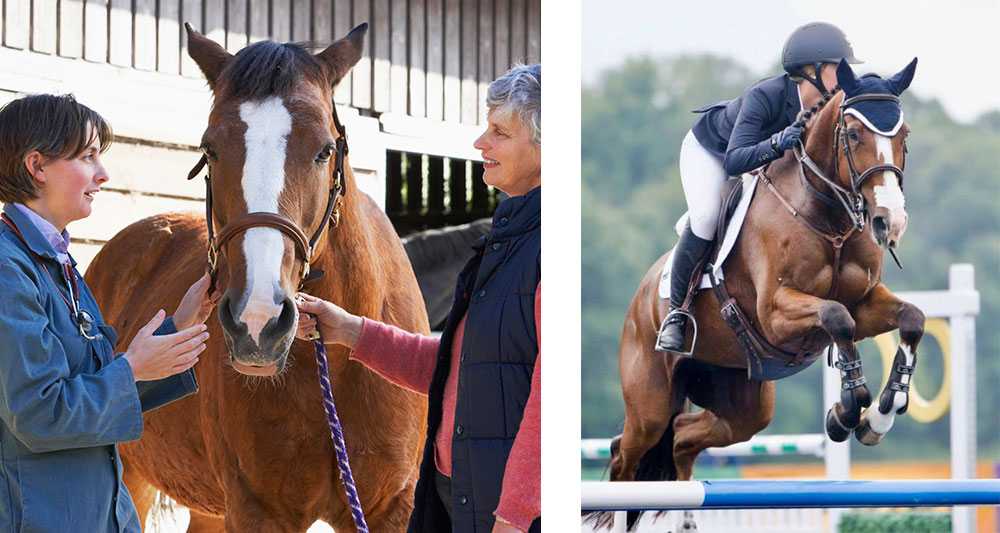
Veterinarians in Utah
- Arcadia Veterinary Clinic, 90 Lloyd Lane, Heber City, UT 84032
- Bear River Animal Hospital, 390 W. 600 North, Tremonton, UT 84337
- Bridgerland-Cache Animal Hospital, 95 W 900 N, Logan, UT 84321
- Kanab Veterinary Hospital, 6676 US-89, Kanab, UT 84741
- Moab Veterinary Clinic, 4575 Spanish Valley Dr., Moab, UT 84532
- Mountain Point Equine Hospital, 14005 S Loumis Parkway, Bluffdale, UT 84065
- Park City Equine, 2333 500 E, Heber City, UT 84032
- Rocky Mountain Large Animal Clinic Inc., 3226 N 1150 West, Spanish Fork, UT 84660
- South Valley Equine, Main Hospital & Reproduction Center, 122 W. 400 N., Saratoga Springs, UT 84045
- South Valley Equine, Northern Utah Clinic, 1892 W. Heritage Ranch Dr., Farr West, UT 84404
- Tooele Veterinary Clinic, 1182 N. 80 E. Tooele, Utah 84074
- Wasatch Animal Clinic, 895 W 100 S Heber City, UT 84032
- West Mountain Veterinary Hospital, 143 W 900 N, Payson, UT 84651-1700
When looking for a horse veterinarian, prioritize their experience with horses, relevant certifications, good horse handling skills, a confident and calm demeanor, access to specialists for complex cases, a clear communication style, and positive recommendations from other horse owners in your area; also consider their availability, practice setup, and pricing structure to ensure they fit your needs.
Key qualities
Equine specific expertise: Ensure the vet has significant experience treating horses, as equine medicine differs from other animal practices.
Relevant certifications: Check if the vet holds certifications from organizations like the American Association of Equine Practitioners (AAEP) or has additional specialties like lameness, dentistry, or reproduction.
Good horse handling skills: A skilled vet should be comfortable and confident around horses, handling them calmly during procedures.
Communication skills: Choose a vet who explains diagnoses and treatment plans clearly and answers your questions thoroughly.
Access to specialists: Consider if the vet has a network of specialists they can refer to for complex cases.
Reputation and referrals: Ask other horse owners in your area for recommendations about the vet's competence and reliability.
Other factors to consider
Practice setup: Decide if you prefer a solo practitioner or a larger clinic with multiple vets depending on your needs.
Availability: Check the vet's practice hours and on-call availability for emergencies.
Cost and pricing structure: Inquire about the vet's fees for routine procedures and potential treatments to ensure they fit your budget.
Facility and equipment: Evaluate the vet clinic's facilities, including the availability of necessary diagnostic tools and equipment.
An equine veterinarian is a veterinarian who specializes in the care of horses. They are trained to diagnose and treat a wide range of horse health problems, including:
- Lameness
- Digestive problems
- Respiratory problems
- Reproductive problems
- Infectious diseases
- Neurological disorders
- Surgical conditions
Equine veterinarians also play a role in preventive care for horses, such as vaccinations, deworming, and dental care.
Equine veterinarians are different from small animal veterinarians in a number of ways. First, equine veterinarians must have a strong understanding of horse anatomy and physiology. Horses are large animals, and their anatomy and physiology are different from those of small animals such as cats and dogs.
Second, equine veterinarians must be able to work with horses in a variety of settings, including farms, racetracks, and horse shows. This requires them to be able to handle horses safely and effectively.
Finally, equine veterinarians must be familiar with a wide range of horse breeds and disciplines. This is because different breeds of horses are prone to different health problems, and different disciplines place different demands on horses' bodies.
Here are some specific examples of the tasks that an equine veterinarian may perform:
- Perform physical examinations
- Diagnose and treat diseases and injuries
- Perform surgery
- Vaccinate horses
- Deworm horses
- Provide dental care
- Advise horse owners on nutrition and management
Equine veterinarians play an important role in the health and well-being of horses. They provide a wide range of services to help horses stay healthy and perform at their best.
Here are some of the key differences between equine veterinarians and small animal veterinarians:
- Species: Equine veterinarians specialize in the care of horses, while small animal veterinarians specialize in the care of cats and dogs.
- Anatomy and physiology: Horses are large animals with anatomy and physiology that is different from that of small animals. Equine veterinarians must have a strong understanding of horse anatomy and physiology in order to provide effective care.
- Work environment: Equine veterinarians often work in a variety of settings, such as farms, racetracks, and horse shows. Small animal veterinarians typically work in veterinary clinics or hospitals.
- Breeds and disciplines: Equine veterinarians must be familiar with a wide range of horse breeds and disciplines. Small animal veterinarians typically focus on a smaller range of breeds and disciplines.
Overall, equine veterinarians and small animal veterinarians play important roles in the health and well-being of animals. They are both highly skilled and knowledgeable professionals who are dedicated to providing the best possible care to their patients.
You can find more informative articles in our section on Health & Education. While you're here be sure to check out our Curated Amazon Store.
Veterinarians in Vermont
- Aeolus Animal Hospital and Equine Center, 145 Harmony Lane, Manchester Center, VT 05255
- Arlington Equine, 9 Church St., Arlington, VT 05250
- Burlington Equine Veterinary Services LLC, 248 Plouffe Lane, Charlotte, VT 05445
- Clover Acres Livestock Veterinary Services LLC, 73 Depot St., Proctorsville, VT 05153
- Cross Border Equine Center, 396 Parker Hill Road, Springfield, Vermont 05156
- Fieldstone Equine Clinic, 425 VT - 110, Tunbridge, VT 05077
- Meadowbrook Equine LLC, P.O. Box 175, Middlebury, VT 05753
- Sugar Run Equine Veterinary Services, 171 Stancliffe Rd., Morristown, VT 05661
- Three Rivers Equine Veterinary Service, P.O. Box 663, St. Johnsbury, VT 05819
- Upper Valley Equine Services, P.O. Box 767 Chester, VT 05143, US
- Vermont Large Animal Clinic, 1054 Lake Road, Milton, VT 05468
- Vermont New Hampshire Vet Clinic, 38 East West Road, East Dummerston, VT 05346
When looking for a horse veterinarian, prioritize their experience with horses, relevant certifications, good horse handling skills, a confident and calm demeanor, access to specialists for complex cases, a clear communication style, and positive recommendations from other horse owners in your area; also consider their availability, practice setup, and pricing structure to ensure they fit your needs.
Key qualities
Equine specific expertise: Ensure the vet has significant experience treating horses, as equine medicine differs from other animal practices.
Relevant certifications: Check if the vet holds certifications from organizations like the American Association of Equine Practitioners (AAEP) or has additional specialties like lameness, dentistry, or reproduction.
Good horse handling skills: A skilled vet should be comfortable and confident around horses, handling them calmly during procedures.
Communication skills: Choose a vet who explains diagnoses and treatment plans clearly and answers your questions thoroughly.
Access to specialists: Consider if the vet has a network of specialists they can refer to for complex cases.
Reputation and referrals: Ask other horse owners in your area for recommendations about the vet's competence and reliability.
Other factors to consider
Practice setup: Decide if you prefer a solo practitioner or a larger clinic with multiple vets depending on your needs.
Availability: Check the vet's practice hours and on-call availability for emergencies.
Cost and pricing structure: Inquire about the vet's fees for routine procedures and potential treatments to ensure they fit your budget.
Facility and equipment: Evaluate the vet clinic's facilities, including the availability of necessary diagnostic tools and equipment.
An equine veterinarian is a veterinarian who specializes in the care of horses. They are trained to diagnose and treat a wide range of horse health problems, including:
- Lameness
- Digestive problems
- Respiratory problems
- Reproductive problems
- Infectious diseases
- Neurological disorders
- Surgical conditions
Equine veterinarians also play a role in preventive care for horses, such as vaccinations, deworming, and dental care.
Equine veterinarians are different from small animal veterinarians in a number of ways. First, equine veterinarians must have a strong understanding of horse anatomy and physiology. Horses are large animals, and their anatomy and physiology are different from those of small animals such as cats and dogs.
Second, equine veterinarians must be able to work with horses in a variety of settings, including farms, racetracks, and horse shows. This requires them to be able to handle horses safely and effectively.
Finally, equine veterinarians must be familiar with a wide range of horse breeds and disciplines. This is because different breeds of horses are prone to different health problems, and different disciplines place different demands on horses' bodies.
Here are some specific examples of the tasks that an equine veterinarian may perform:
- Perform physical examinations
- Diagnose and treat diseases and injuries
- Perform surgery
- Vaccinate horses
- Deworm horses
- Provide dental care
- Advise horse owners on nutrition and management
Equine veterinarians play an important role in the health and well-being of horses. They provide a wide range of services to help horses stay healthy and perform at their best.
Here are some of the key differences between equine veterinarians and small animal veterinarians:
- Species: Equine veterinarians specialize in the care of horses, while small animal veterinarians specialize in the care of cats and dogs.
- Anatomy and physiology: Horses are large animals with anatomy and physiology that is different from that of small animals. Equine veterinarians must have a strong understanding of horse anatomy and physiology in order to provide effective care.
- Work environment: Equine veterinarians often work in a variety of settings, such as farms, racetracks, and horse shows. Small animal veterinarians typically work in veterinary clinics or hospitals.
- Breeds and disciplines: Equine veterinarians must be familiar with a wide range of horse breeds and disciplines. Small animal veterinarians typically focus on a smaller range of breeds and disciplines.
Overall, equine veterinarians and small animal veterinarians play important roles in the health and well-being of animals. They are both highly skilled and knowledgeable professionals who are dedicated to providing the best possible care to their patients.
You can find more informative articles in our section on Health & Education. While you're here be sure to check out our Curated Amazon Store.
- Horse Veterinarians in Virginia
- Horse Veterinarians in Washington
- Horse Veterinarians in West Virginia
- Horse Veterinarians in Wisconsin
- Horse Veterinarians in Wyoming
- Horse Vet in Alabama
- Horse Vet in Alaska
- Horse Vet in Arizona
- Horse Veterinarians in Arkansas
- Horse Vet in California
- Horse Vet in Colorado
- Horse Vet in Connecticut
- Horse Vet in Delaware
- Horse Vet in Florida
- Horse Vet in Georgia
- Horse Vet in Idaho
- Horse Vet in Illinois
- Horse Vet in Indiana
- Horse Vet in Iowa
- Horse Vet in Kansas