




Recreation & Lifestyle
Welcome to Recreation & Lifestyle, which includes leisure riding and other aspects of the equestrian lifestyle for you and your horse loving friends and family.
Looking for the perfect present? See the Gifts & Jewelry section. Redecorating? Find a Painting, Photograph or Sculpture in the Artwork section. Need to check out a movie or crawl up with a good book or magazine? See our Entertainment section where you will find and Books, Movies, Games, and Magazines. And don't forget about Fine Art in some specialty Museums that might surprise you.
Looking for love or a trail buddy? Riding Partners is the spot to seek other riders who share your passion. Find a place to ride with that special person in our Trail Riding section and if you need more time away, take a look at Vacations. Want to know about the next horse show or special event? Don’t miss it! Dates and locations are included in the Calendar of Events for Recreation & Lifestyle.
Do we need to add more? Please use the useful feedback link and let us know!
By the EIE Editorial Staff
We all know that horses are primarily flight animals. This means their first instinct when faced with a threat is to run away.
Their evolutionary history as prey animals on the open plains ingrained this response. They rely on their speed and agility to escape predators.
However, horses also have a fight response as a secondary option. If they're cornered or can't escape, they may resort to fighting back with kicks, bites, or rearing to defend themselves.
For that reason, when they hear, see or feel something where they believe they are unsafe, they will spook!
Here are some of the most popular (or unpopular) spook triggers in horses.
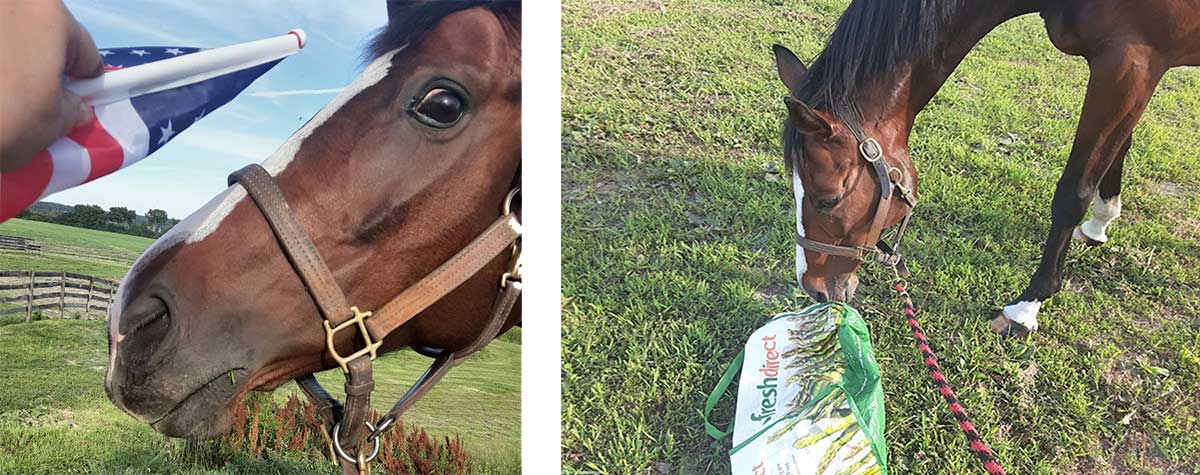
1. Flags and Bags. Yes, the blowing flag and the dreaded plastic bag tie for our number one spot on this list. We’ve all been riding and seen a random plastic bag blow across our path. We brace ourselves knowing that our horse will leap up, or sideways – thinking that his leg will be entrapped with no way out. This is such a common issue that even when NOT riding we think of spooking horse episodes when seeing a blowing flag or bag. Yes, perhaps we have PBPTSD (Plastic Bag PTSD).
2. Balloons. We love a nice celebration but celebrations which involve balloons, especially ones that are blowing or get released into the air, can be mind blowing for a horse. Beware!
3. Barking or chasing dogs. You are trail riding minding your own business when an unleashed dog who has never seen a horse runs up on you. The frantic owner tries calling and gets irritated at you when you suggest the dog should perhaps be on a leash and they should get a refund on obedience classes, lest the dog gets kicked or the horse bolts. Yes, it's always the rider's fault. Sigh.
4. Motorcycles. This is pretty self explanatory. A few unknowing bikers didn’t realize the impact this has on horses when several of them showed up at a horseshow wanting to watch. The loud sound is just too much for them. Chaos ensued and horses scattered but fortunately no one got hurt as they we kindly asked to quietly roll their bikes off the grounds.
5. Wildlife. Trail riding can bring many surprises like the time we were quietly walking down a path and a 12-point buck launched himself from behind a bush across our path. Fortunately, the horse was a veteran, stopped in shock but carried on after the deer disappeared.
6. Spray bottles. We bought a young horse that was clearly not handled much and the first time we tried to fly spray her she spun around the stall. So, we worked with her gradually little by little by wiping the spray on her and slowly introducing her to the spraying process. Interestingly, a couple of our horses never got accustomed to the Equispot process and spook away from the dripping on their topline. Perhaps they associate it with flies landing on them.
7. Unexpected touch. While trying out a horse once, a friend joined us. While riding while the friend was walking on the left-hand side, the horse suddenly jumped to the right. Since I didn’t give her a cue, I asked, “Did you touch her?” He said he did. UGH! Don’t touch a horse while someone is riding without them knowing! No wonder why she spooked.
8. Water. Some horses love to jump in a pond, stream or river. If they start pawing, be careful. They may just roll around and you'll get an unplanned bath! Others never want to be a “mudder” and are insecure about the smallest of puddles because they don’t feel safe about where to put their feet. With exposure to water features, this can be overcome and enjoyable to the horse.
9. Cars. Riding alongside a road can be harrowing when drivers don’t slow down and give you and your horse space. It is scary for both you and your horse – and can be extremely dangerous. We always encourage riders to ride during the day and wear a helmet. Many also choose to wear reflective gear.
10. Shadows. Horses rely heavily on vision, but their sight works differently from ours. They have excellent peripheral vision but poorer depth perception. A shadow on the ground can be a confusing change in the landscape for a horse. Their monocular vision (focusing on one eye at a time) might make a shadow appear to jump or change shape as they shift their gaze. One of the most famous shadow spooking incidents is when racehorse Dayjur jumped a shadow at the finish of the 1990 Breeders’ Cup Sprint which caused him to lose ground – and the race!
What triggers your horse? Let us know!
You can find more interesting stories in our section on Recreation & Lifestyle.
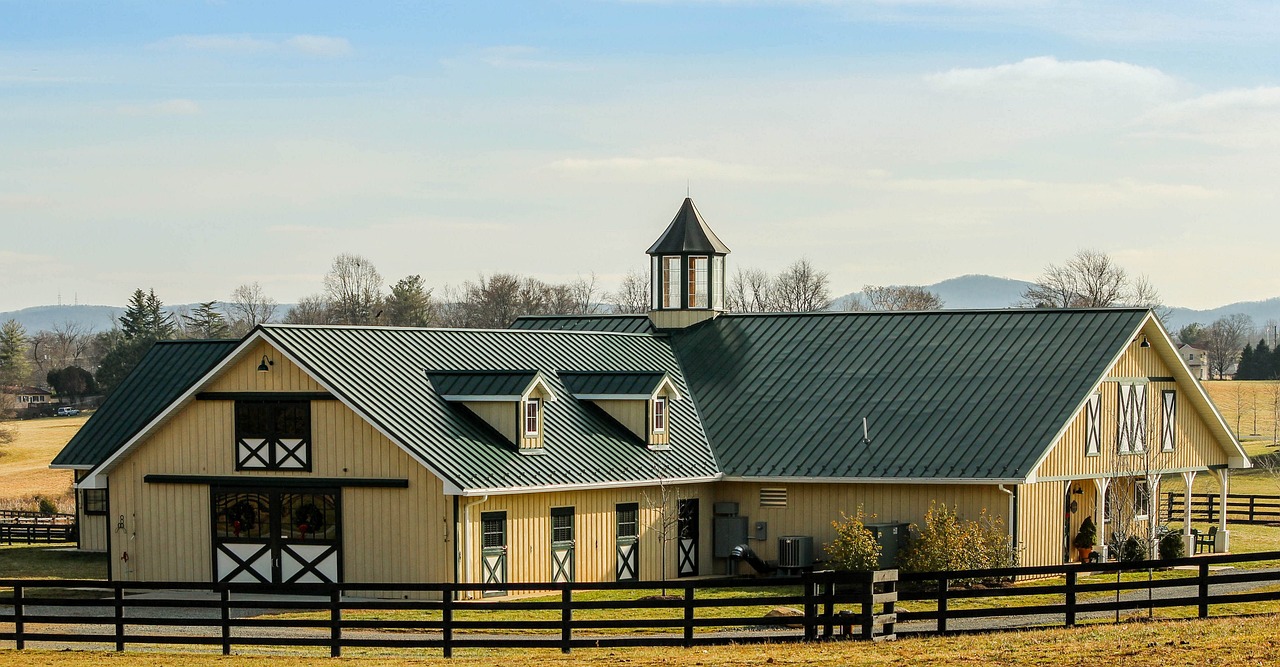
Purchasing a horse farm or an equestrian center can be a very exciting yet overwhelming venture. It is far more complex than buying a home since many factors need to be considered for the best care and safety for your horses. When looking at equestrian real estate, it is important to consider the following factors.
Land
The amount and quality of land is one of the most important factors to consider when buying equestrian real estate. You will need enough land to accommodate your horses, as well as any other buildings or facilities that you plan to have on the property. The land should also be suitable for horses, meaning that it should be well-drained and have good footing.
Facilities
The type and condition of the facilities on the property are also important to consider. Do you need a barn, stalls, wash racks, tack rooms, or any other facilities? Are the existing facilities in good condition?
Location
The location of the property is also important. Do you want to be close to other equestrian facilities, such as riding trails, showgrounds, or veterinary clinics? Do you want to be in a rural area or a more suburban or urban area?
Test the Water, Test the Soil
Good water is key to good health. Check if there is an ample water supply and find out if there are water sharing rights.
Horses are greatly impacted by the quality of land. When you test soil, look for things such as alkaline, acidity, and salt levels. You’ll also need to look for signs of bad pesticides or herbicides. Even if sprayed years ago, they can still impact the soil today. When horses are grazing, they take in bits of soil along with the grass. If there are not enough nutrients or if the soil has pesticides, your horses are going to suffer. Tell the laboratory that you’re raising horses, not food crops. Horses and crops need different nutrients to be their best. Land that is good for crops may not be good for your horses.
Budget
Equestrian real estate can be expensive, so it is important to set a realistic budget before you start shopping. Keep in mind that you will also need to factor in the cost of maintaining the property and caring for your horses.
Financial Commitment
Horses are expensive animals to keep. You'll need to factor in the cost of bedding and feed, farrier services, veterinary care, stabling or boarding fees, deworming, vaccinations, and other miscellaneous expenses. You may also choose to insure your horse which is an additional cost.
Time Commitment
Horses are social animals that require regular handling and attention. You'll need to spend time each day feeding, watering, cleaning their stall, grooming, and exercising them. Even if you board your horse at a stable, you'll still need to factor in travel time to and from the barn.
Finding Suitable Housing
Horses need a safe and secure place to live. You'll either need to have enough property to provide them with pasture and shelter, or you'll need to board them at a stable. Boarding fees can vary depending on the location and amenities offered. Here's a Boarding Checklist to help you in your search. Likewise, if you plan on having grooms or caretakers live on your property to look after your horses and farm, ensure that there is adequate staff housing available.
Know Your Neighbors
Owning a horse can be a challenging but rewarding experience. It's important to have a support system in place, such as a trainer, a farrier, a veterinarian, and other horse owners. These people can provide you with guidance, support, and friendship.
Get to know your neighbors. When you find that perfect piece of land, go introduce yourself. These are the people that know about the land, the weather, and what to do in emergencies. Find out what they do with their farmland, any problems they have, and let them know what you’re thinking of doing with your own potential property.
Keeping all of these in mind, owning a horse can be an incredibly fulfilling and rewarding relationship for many years, so treasure every moment!
Equestrian Real Estate in California
You can find more interesting stories in our section on Recreation & Lifestyle.
By the EIE Editorial Staff
Horses have earned their fame for a multitude of reasons, both for their contributions to human history and for their inherent qualities that have captured our imagination. Here's a list of our most memorable and famous horses.
1. Black Beauty: This fictional horse is the star of the beloved children's novel of the same name by Anna Sewell. The story tells the tale of a black stallion who is mistreated by various owners but ultimately finds a happy ending. Black Beauty's story is a powerful indictment of cruelty to animals and remains a popular choice for young readers.
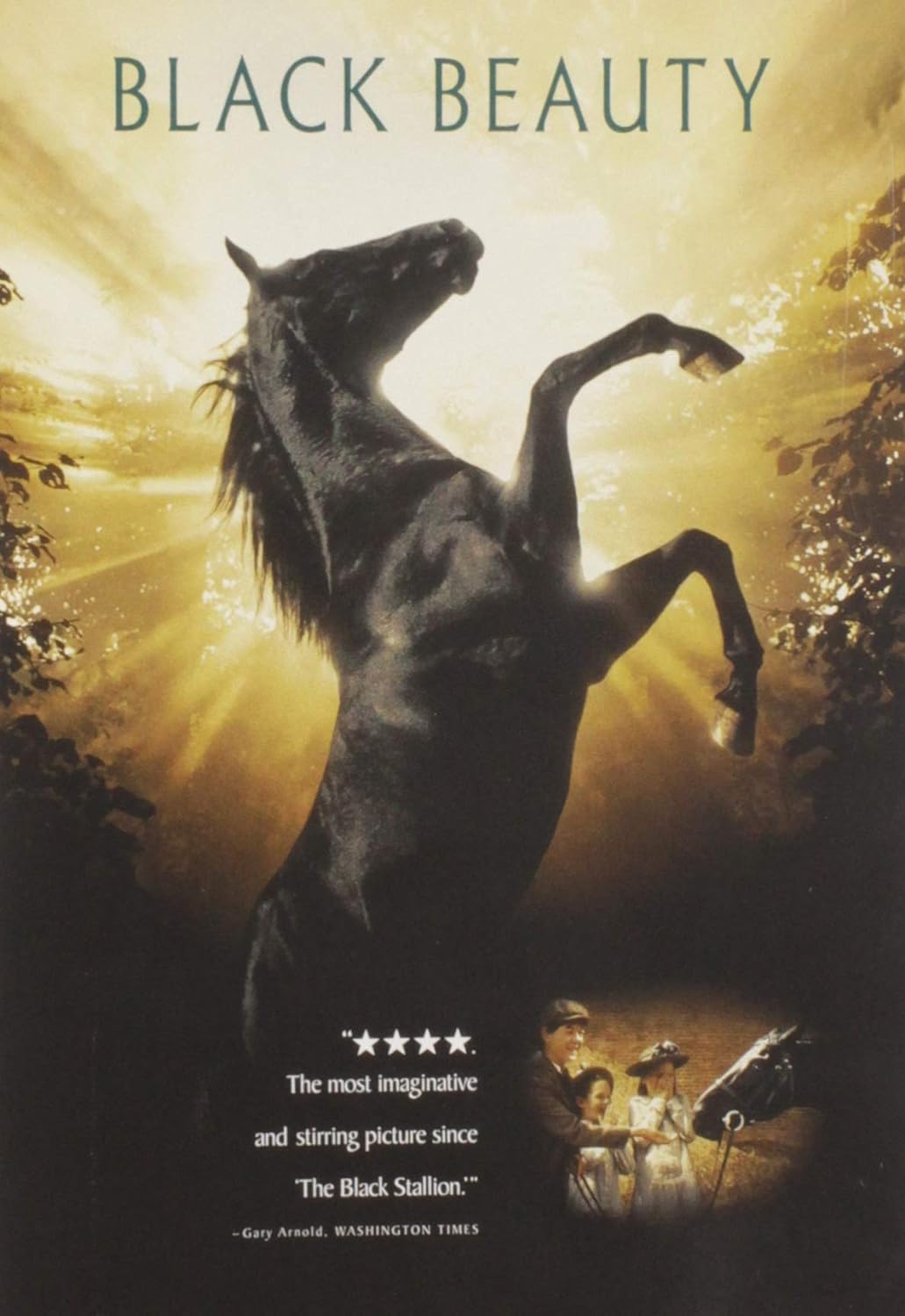
Black Beauty (1994)
Buy Now on AMAZON
VHS Tape | DVD | Blu-Ray | Prime Video
The fates of horses, and the people who own and command them, are revealed as Black Beauty narrates the circle of his life. Director: Caroline Thompson, Writers: Anna Sewell (novel), Caroline Thompson (screenplay), Stars: Sean Bean, David Thewlis, Docs Keepin Time
Black Beauty by Anna Sewell
Buy Now on Amazon
Paperback | Hardcover
2. The Black: “The Black” is the name of the stunning fictional Arabian stallion from the book series from Walter Farley which was later made into a beautifully filmed masterpiece in 1979. In the movie, this powerful black stallion forms a unique bond with a young boy, Alec Ramsay, when they are both shipwrecked on a deserted island. The boy later races The Black against the best racehorses in the country.
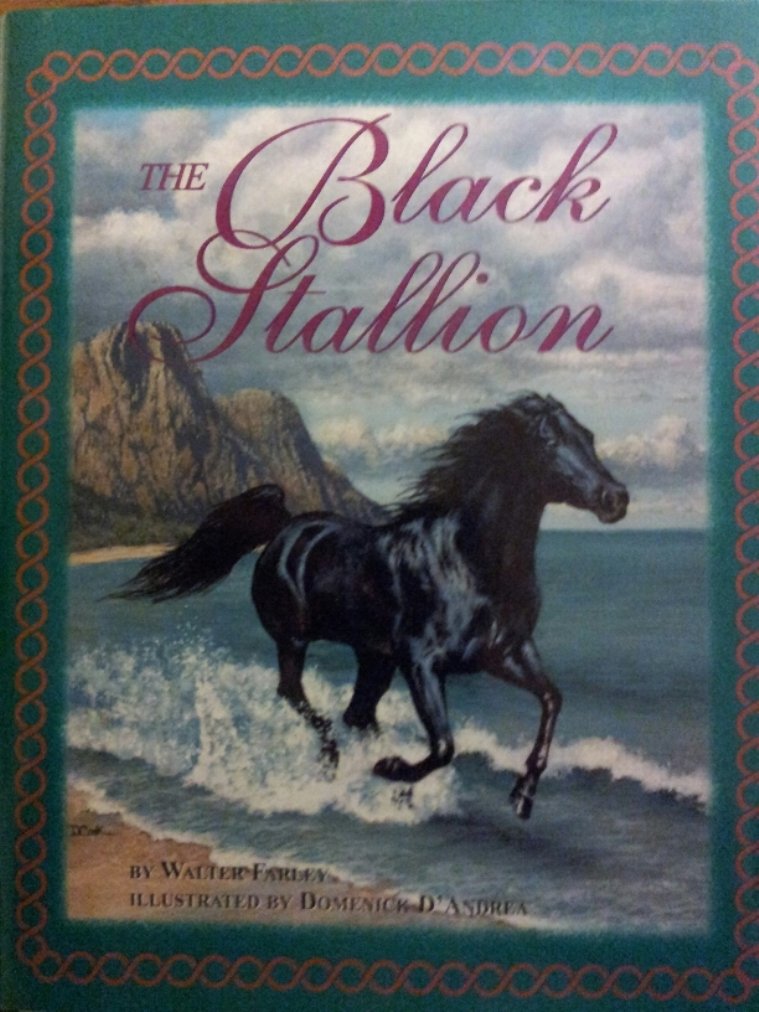
The Black Stallion by Walter Farley</br > Buy Now on Amazon
Paperback | Hardcover
The Black Stallion (1979)
BUY NOW on AMAZON
VHS Tape | DVD | Blu-Ray | Prime Video
While traveling with his father, young Alec becomes fascinated by a mysterious Arabian stallion that is brought on board and stabled in the ship he is sailing on. Director: Carroll Ballard, Writers: Melissa Mathison (screenplay), Jeanne Rosenberg (screenplay), Stars: Kelly Reno, Mickey Rooney, Teri Garr
3. Man o' War: Nicknamed "Big Red," Man o' War was another champion racehorse who dominated the early 20th century and is widely regarded as one of the greatest racehorses of all time. He won 20 of his 21 starts, established seven track records for speed over various distances, and raced at odds as short as 1–100. He died on November 1, 1947, at age 30 after an apparent heart attack. He was so popular that his funeral was broadcast live on NBC Radio.
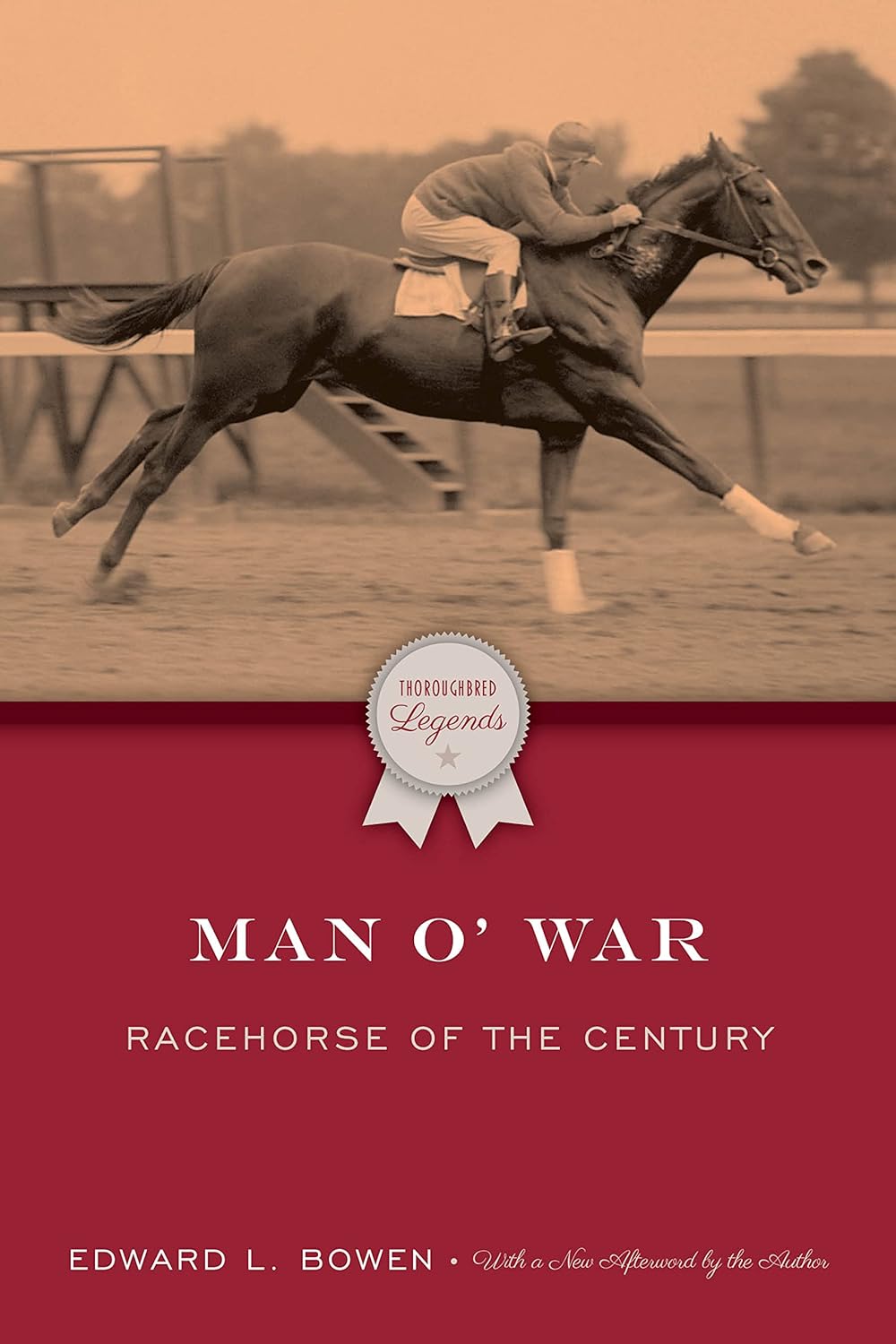
Man o' War (Thoroughbred Legends) by Edward Bowen
Buy Now on Amazon
Hardcover | Paperback | Kindle
4. Mister Ed: The talking palomino horse of the 1960s sitcom was "Mister Ed." The talking palomino horse, Mr. Ed, was played by a talented horse named Bamboo Harvester. His voice was provided by actor Allan Lane. The show centered around Wilbur Post, the owner (played by Alan Young), who was the only one who could understand Mr. Ed's witty and often sarcastic remarks.
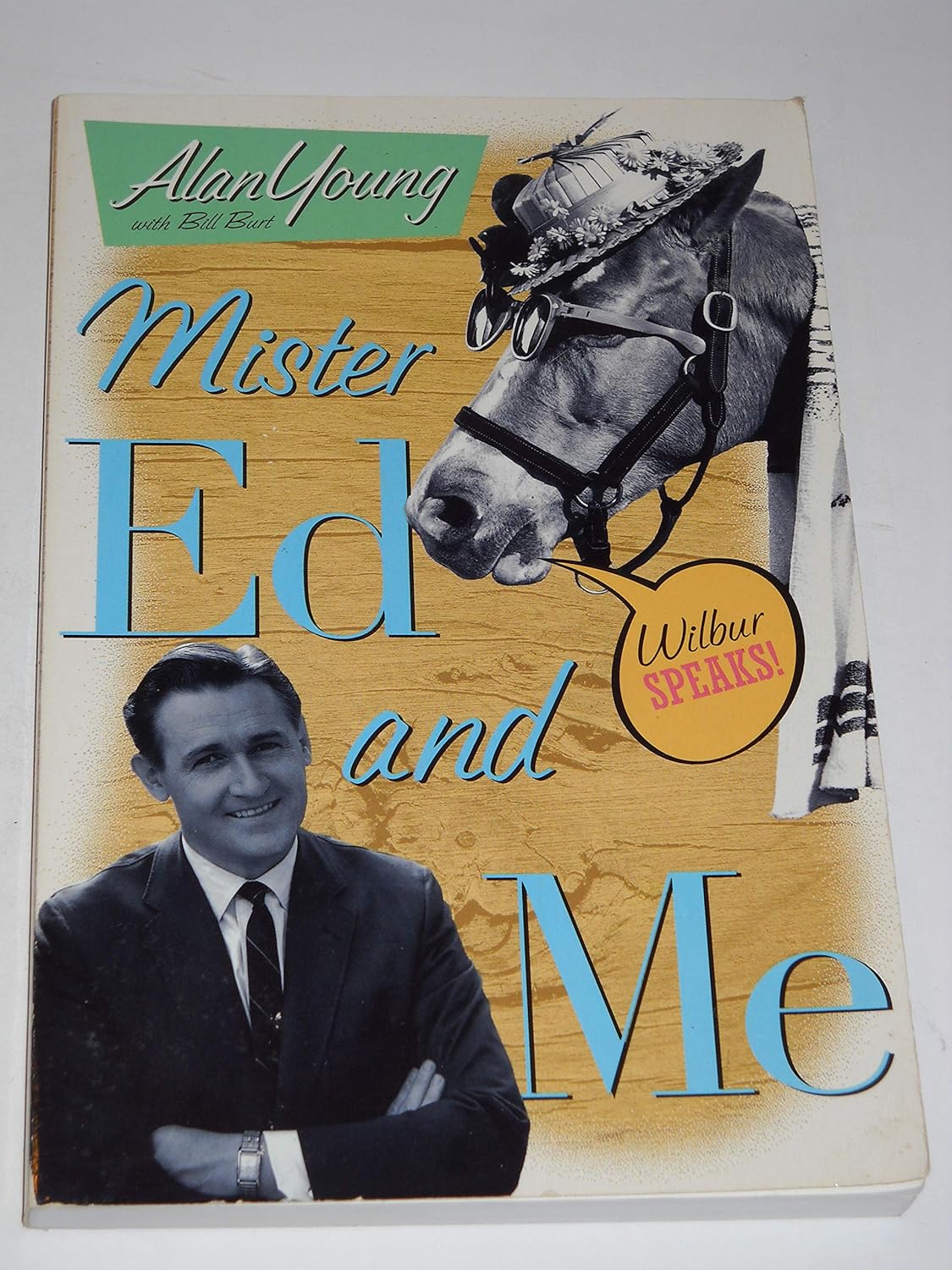
Mister Ed and Me by Alan Young
Buy Now on Amazon
Paperback
5. Misty of Chincoteague: Misty was a fictional horse from the children's novel “Misty of Chincoteague” by Marguerite Henry. The book is inspired by the real-life Chincoteague Pony Swim, a tradition where Chincoteague Island ponies are rounded up and swim across a channel to Assateague Island. In the story, two siblings, Paul and Maureen, befriend a wild mare named Phantom and her foal, Misty.
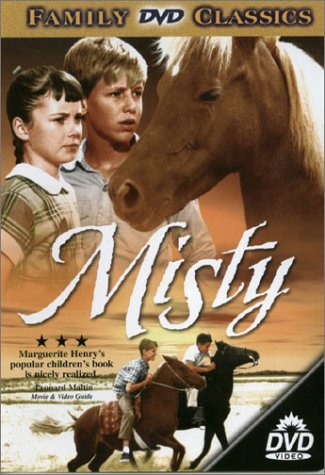
Misty of Cincoteague
Buy Now on Amazon
Paperback | DVD | Prime video
6. Phar Lap: An Australian racing champion, Phar Lap wasn't just fast; he had a powerful physique. Standing at 17 hands tall with a massive heart (later discovered to be unusually large), his physical attributes contributed to his racing prowess. Phar Lap wasn't just a winner; he was dominant. He won a staggering 37 races out of 51 starts in the 1920s and early 1930s, often beating competitors by significant lengths. His versatility was impressive too, excelling in both long-distance and sprint races. Coinciding with the Great Depression, Phar Lap's victories provided a much-needed morale boost for Australians. His death at a young age from alleged poisoning remains a mystery.
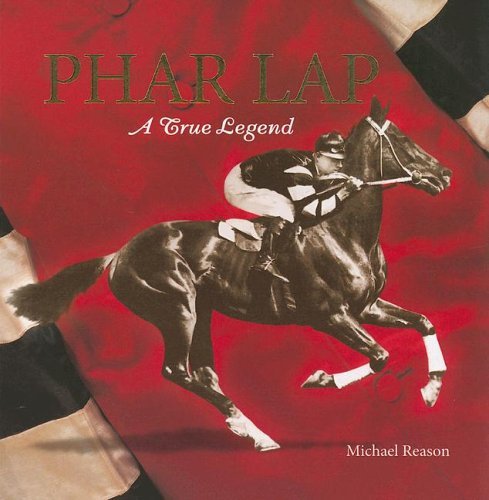
Phar Lap: A True Legend by Michael Reason
Buy Now on Amazon
Kindle | Paperback
Phar Lap (1983)
Buy Now on AMAZON
VHS Tape | DVD
7. Seabiscuit: The undersized racehorse who became a national sensation during the Great Depression. Seabiscuit wasn't a horse owned by the elite. His owner, Charles Howard, wasn't a wealthy man either. Their success story resonated with ordinary people who felt overlooked or underestimated. The bond between Seabiscuit and his jockey, George Woolf, was another captivating aspect of the story. Woolf himself had overcome injuries and setbacks, further mirroring the spirit of resilience. Their teamwork became a source of inspiration. The book by Laura Hillenbrand entitled “Seabiscuit: An American Legend” tells the story of Seabiscuit's transformation from a struggling racehorse to a champion, beating triple crown winner War Admiral in a 1938 match race.
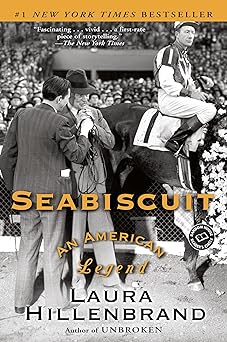
Seabiscuit: An American Legend
BUY NOW on Amazon
Hardcover | | Kindle | Audiobook
Seabiscuit (2003)
BUY NOW on AMAZON
VHS Tape | DVD | Blu-Ray | Prime Video
True story of the undersized Depression-era racehorse whose victories lifted not only the spirits of the team behind it but also those of their nation.
Director: Gary Ross, Writers: Laura Hillenbrand (book), Gary Ross (screenplay), Stars: Tobey Maguire, Jeff Bridges, Elizabeth Banks |
8. Secretariat: Another “Big Red!” This chestnut thoroughbred won the 1973 Triple Crown in which his record-breaking times for the Kentucky Derby, Preakness Stakes, and Belmont Stakes still stand today. Race caller Chic Anderson announced Secretariat was moving like a “tremendous machine” on the way to winning the Triple Crown and Belmont Stakes by a remarkable 31 lengths. Upon his death, it was discovered his heart was twice the size of a normal horse. Many consider Secretariat to be the greatest racehorse of all time.
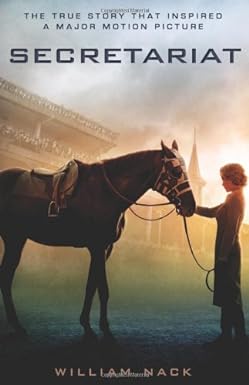
Secretariat by William Nack
BUY NOW on Amazon
Paperback | Audiobook
William Nack (Author). “Secretariat is an elegantly crafted, exhilarating tale of speed and power, grace and greatness, told with such immediacy that the reader is lost in the rush of horses and the clatter and ring of the grandstand.” —Laura Hillenbrand, bestselling author of Seabiscuit. Updated with a new preface by the author. In 1973, Secretariat, the greatest champion in horse-racing history, won the Triple Crown. The only horse to ever grace the covers of Time, Newsweek, and Sports Illustrated in the same week, he also still holds the record for the fastest times in both the Kentucky Derby and the Belmont Stakes. Paperback: 480 pages Publisher: Hyperion; Reissue edition (August 31, 2010) KINDLE EDITION Available
Secretariat (2010)
BUY NOW on AMAZON
Blu-Ray | Prime Video
Penny Chenery Tweedy and colleagues guide her long-shot but precocious stallion to set, in 1973, the unbeaten record for winning the Triple Crown. Director: Randall Wallace, Writers: Mike Rich, William Nack (book), Stars: Diane Lane, John Malkovich, Margo Martindale
9. Silver: The Lone Ranger's loyal white steed, Silver is one of the most recognizable horses in American pop culture. He was a constant companion to the masked hero and helped him fight for justice in the Wild West. Actually, Silver wasn't actually a single horse! While the character of Silver is always a white stallion, multiple horses have portrayed him in the television show. The most famous Silver was likely played by two different horses. The first horse's real name was White Cloud, and the second was named Tarzan's White Banner, later renamed Hi-Yo Silver (after the show's famous catchphrase).
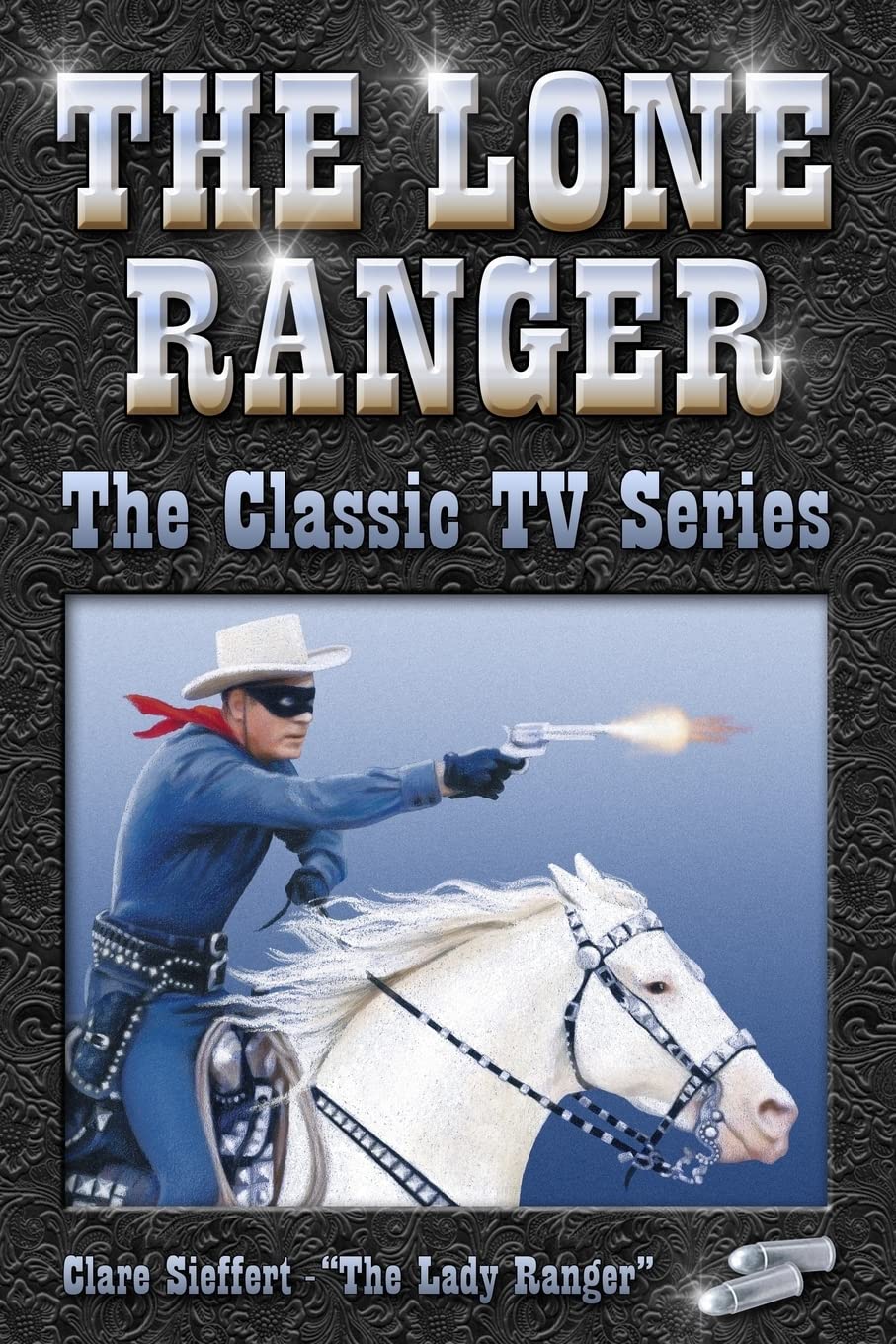
The Lone Ranger (The Classic TV Series)
Buy Now on Amazon
Paperback | Kindle
10. Trigger: Roy Rogers' golden palomino Trigger was another famous television horse. He appeared in numerous films and TV shows alongside Roy Rogers and was known for his gentle temperament and athletic ability. Trigger’s original name was Golden Cloud. Reportedly after riding the horse just 100 yards, Roy never looked at another, and purchased Golden Cloud on a time payment plan for the amazing sum of $2,500. As Roy recalled, "He would turn on a dime and he'd give you 9 cents change." We thought it was an ecumenical opportunity to see Trigger prior to selling at Christie’s in New York City for the amount of $266,500.
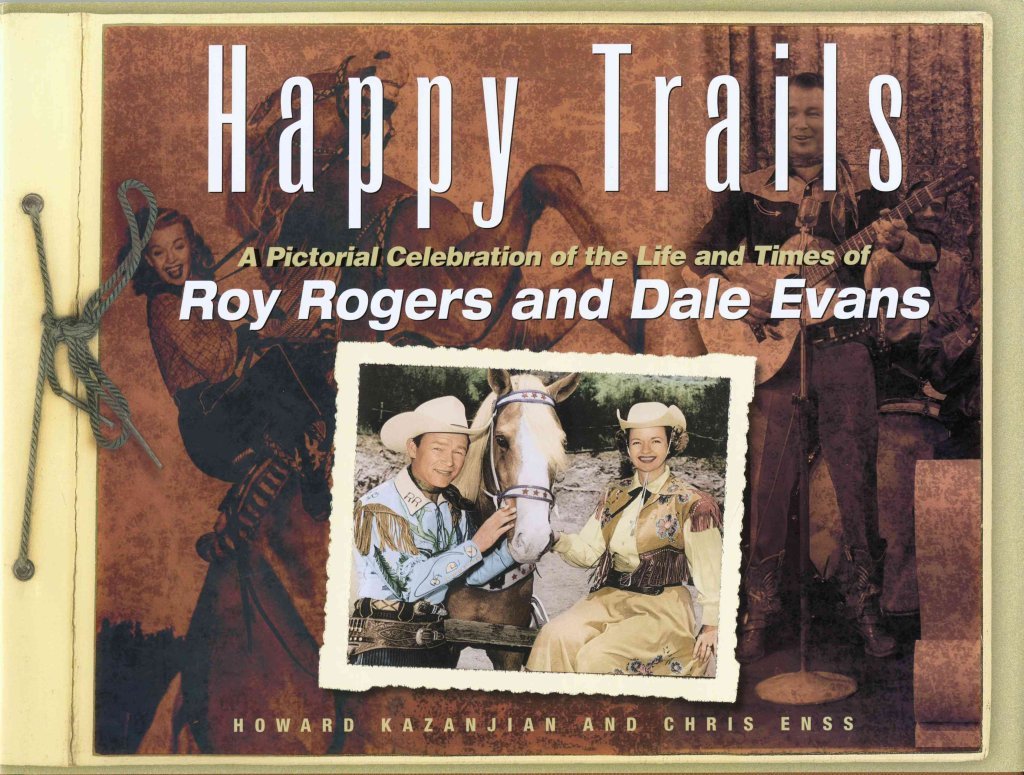 Happy Trails: A Pictorial Celebration of the Life and Times of Roy Rogers and Dale Evans
BUY NOW on AMAZON
Paperback | Hardcover
Which one is your favorite? Did we miss any? Let us know! Send us your article ideas at info@equineinfoexchange.com. We look forward to hearing from you!
You can find more interesting stories in our section on Recreation & Lifestyle.
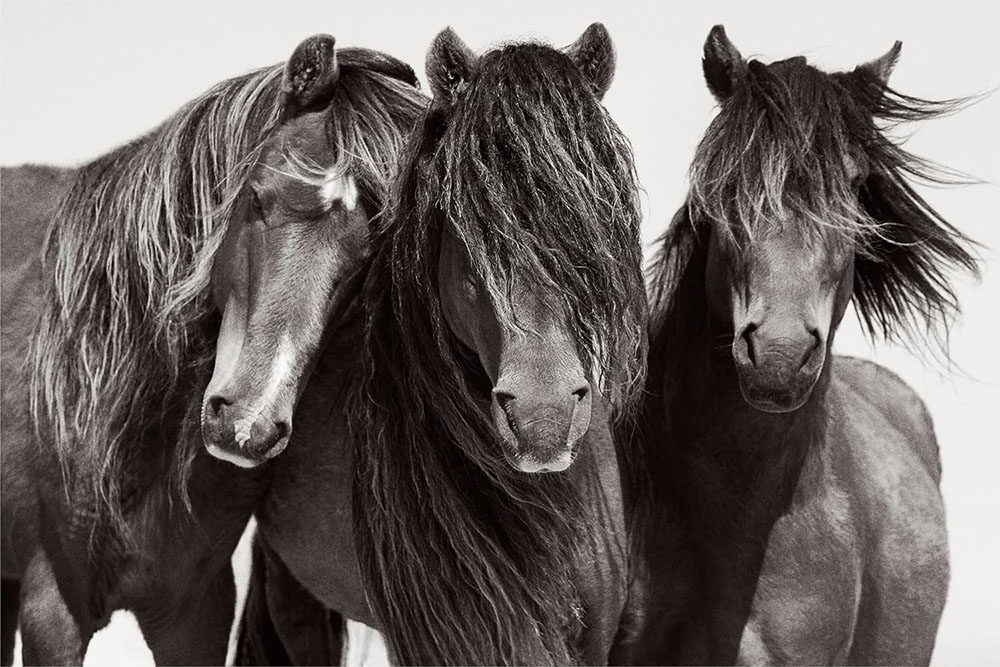
100 Images | 10+ Years | 5 Countries | 4 Continents
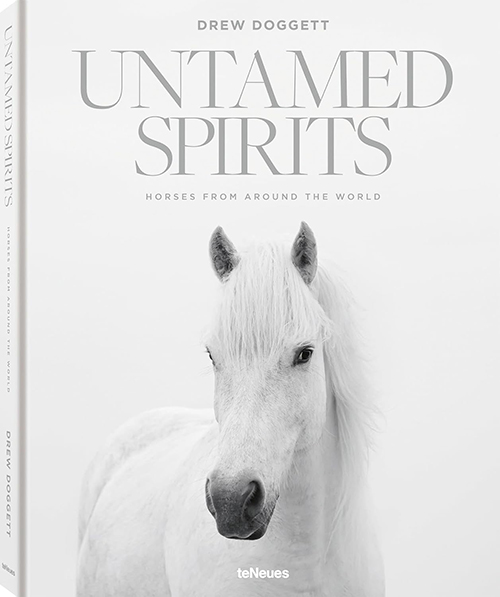
Renowned photographer Drew Doggett releases his latest book of photography featuring unique and storied horses from around the world, captured with unprecedented access through a fashion-inspired lens.
(Charleston, SC—March 19, 2024) The studio of award-winning fine art photographer Drew Doggett is thrilled to
announce the highly anticipated release of his newest book,
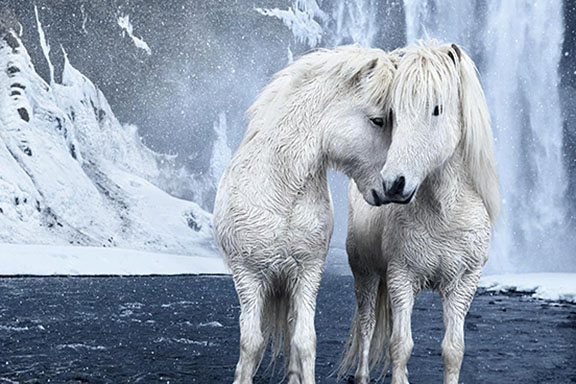
The images and text within these pages invite you on a visual journey visiting some of the most unique and storied horses from across the globe, including the Icelandic horses beneath waterfalls, rescue horses photographed underwater in the West Indies, the elite horses competing in Wellington, Florida each year, the wild and free horses of Sable Island, and the ancient, bold, and beautiful, all-white Camargue horses in the South of France. Within its pages, the artist uncovers the currents evident in horses no matter where they roam; from their strength to their innate sense of character, by recognizing their wild beauty and allure in all shapes and forms.
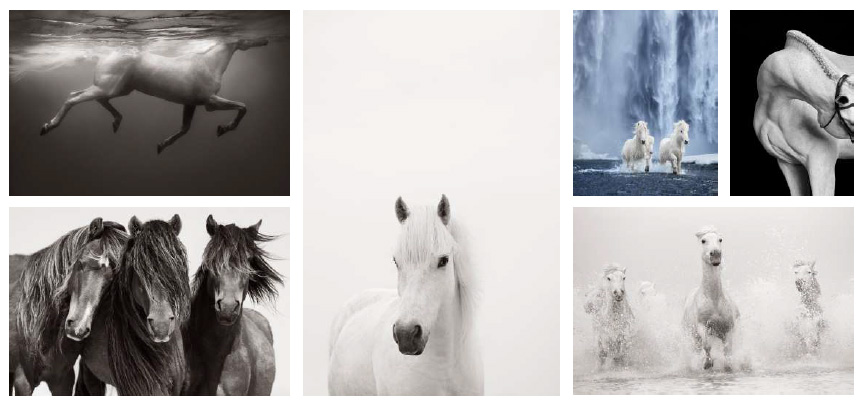
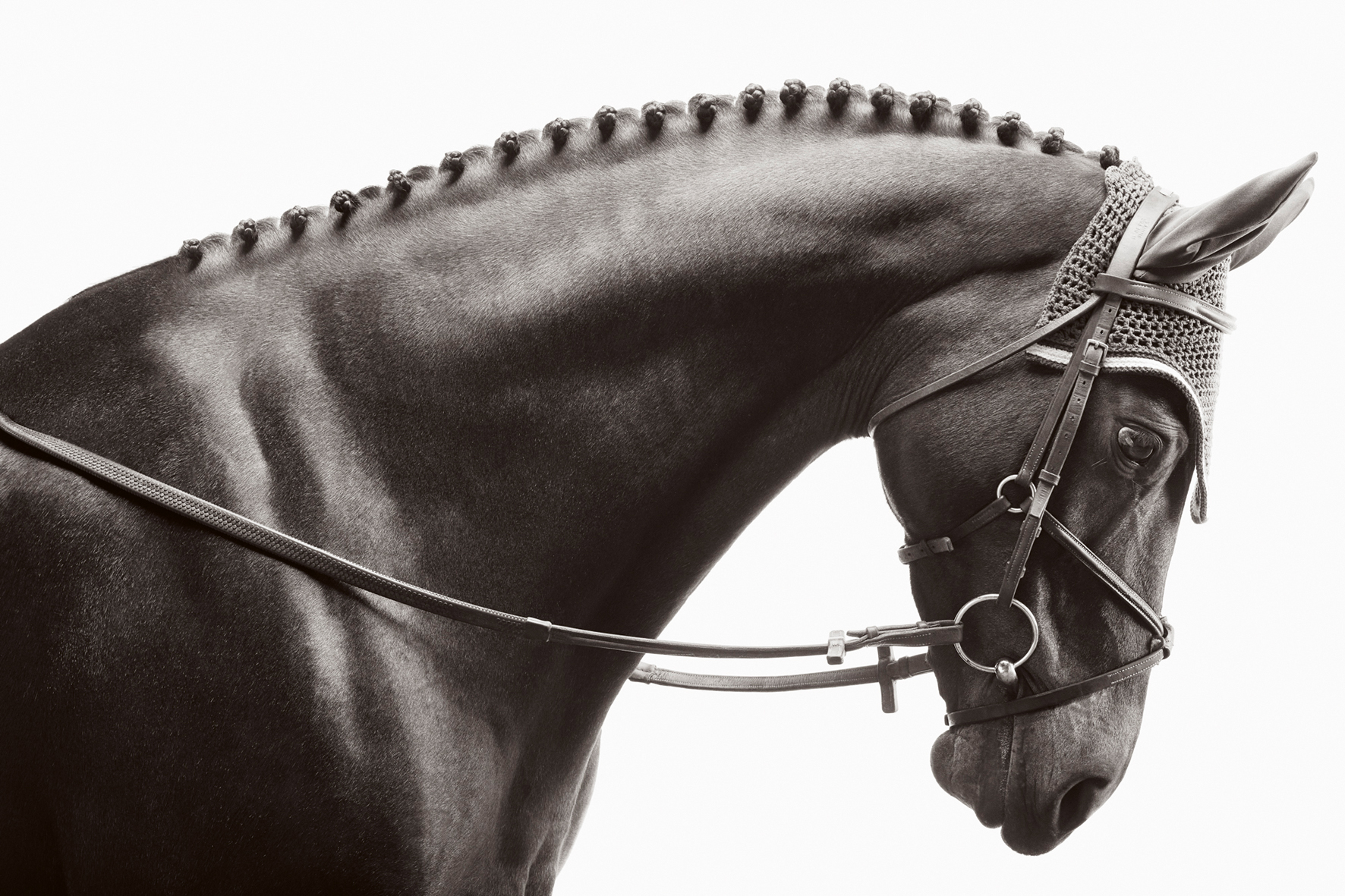
The collection of images in Untamed Spirits, which bear the artist’s signature fashion-inspired style and attention to detail, further cement the horse’s enduring appeal as companions to man and symbols of strength and fortitude. The book also contains the backgrounds of each photographic series and breed, as well as artist statements reflecting on the unique artistic choices of each series. By the end of this book, readers will gain an understanding and appreciation of horses around the world while also discovering what makes them an enduring part of our global culture.
About the Artist
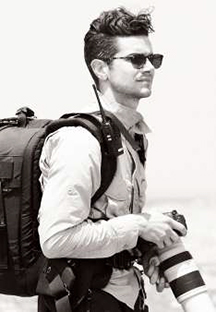
Drew Doggett is an award-winning photographer and director whose work tells extraordinary stories of diverse cultures, communities, and wildlife through a fashion-inspired lens. The works featured in Untamed Spirits: Horses from Around the World are part of Drew's photography series captured over the last decade, celebrating horses around the world. His photographic work can be found in private and public collections globally including the Smithsonian African Art Museum (DC) and has been featured in many publications such as Conde Nast Traveler, Architectural Digest, Forbes, and The Daily Mail. He currently serves as an ambassador for Re:wild, a conservation organization founded by Leonardo DiCaprio and Global Wildlife Conservation.
Through a fashion-inspired lens, photographer & filmmaker Drew Doggett tells extraordinary stories of diverse cultures, animals, and communities. From remote tribes in the farthest reaches of the Kenyan desert to the largest tusked elephants left on Earth, Drew is relentless in his pursuit of sharing the miraculous beauty of our natural world through his fine art photography series and short films. Drew's photography can be found globally in private and public collections, notably the Smithsonian African Art Museum (DC) and the Four Seasons (HI). He has received over 130 awards and honors for his images and films, including being named 2023 Nature Photographer of the Year at the ND Awards. Drew’s artwork has been featured in many publications, such as Conde Nast Traveler, Architectural Digest, Forbes, Bloomberg, Fortune, The Daily Mail, and Outside Magazine.
To see the entirety of Drew's fine art print series, including his equestrian work, and to watch the accompanying short films, visit www.drewdoggett.com
Untamed Spirits: Horses From Around the World
BUY NOW on Amazon
Hardcover - released July 2, 2024.
You can find more interesting stories in our section on Recreation & Lifestyle. Be sure to check out our Curated Amazon Store.
We are saddened to see that Golden Gate Fields closed this past weekend. We had great memories there, especially the time we met the late equine photographer Julie Albright who took us to the backstretch to meet her horse Awesome Gem whom she owned in partnership with West Point Thoroughbreds. We especially loved the area which included a tribute to the champion sprinter Lost in the Fog who is buried at the track he called home.
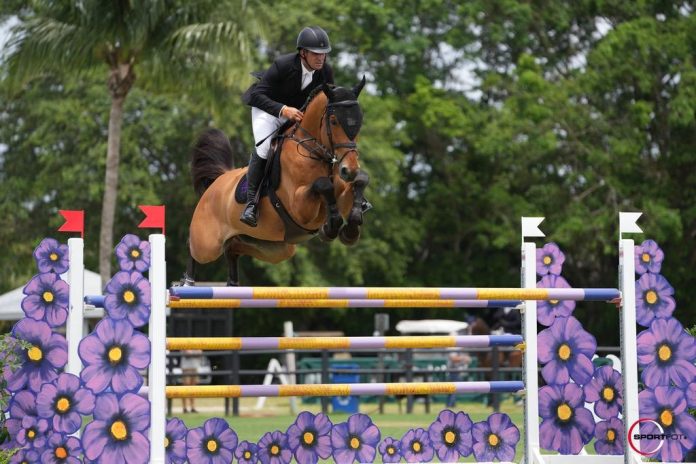
by Allyson Coluccio
An expert in importing, Allyson Coluccio provides her take on what to look out for before buying a horse from across the pond
I have been importing horses since the early 90’s. Well, I suppose it actually started with the ponies! I started with importing British Riding Ponies from England. At the time, Warmbloods were just becoming more popular, so in 1995, I began importing horses as well.
To date, I’ve imported hundreds of horses from Europe to the United States, primarily focusing on horses from Holland, Belgium, and Germany. While at this point I’m a seasoned professional in the importing business, I still manage to learn new things everyday—and I hope to share that sentiment with others that are interested in importing.
While finding the horse that fits your needs for the ring you wish to compete in is important, I encourage buyers to seek out the most amateur-friendly horse you can find. While these do exist in America, I find that the horses in Europe with the best brains are actually less expensive than here.
In Europe, they value a little more blood than the average person in America. While they have caught on to the idea of “hunter-izing,” you may be able to get the slow and steady horse for a purchase price of $40,000 that would otherwise cost six figures in the United States.
Outside of the potential savings you could get from this type, the obvious reason to buy the best-brained horse is for safety and assurance in the ring and on the ground; that quieter horse means less prep, which means less wear and tear on the horse.
I currently have a horse that I think is the best horse we have ever had. It doesn’t matter if he hasn’t been turned out or ridden consistently. Every day that he comes out, I am just as likely to put an eight-year-old on him as I am an eighty-five-year old. That’s what makes him great!
A Common Trap
As an expert, even I have been fooled by the rumored “X-ray swap.” I recently purchased a horse from someone that I have bought from before, and sure enough, the X-rays I was given were not the ones that belonged to the horse. Luckily, they were mediocre X-rays exchanged for other mediocre X-rays, but it’s important to make sure you do everything possible to ensure this doesn’t happen to you!
Even if a seller has X-rays for a horse, be sure to pull your own and confirm that the name, microchip number, or other identifying qualities match with the horse that you are purchasing.
On the subject of X-rays, I’d like to stress the importance of sometimes looking beyond the X-rays. As a whole, what comes up in films is very rarely what becomes an injury to a horse. More horses get soft tissue injuries due to the excessive work we do in America. That’s not something that has anything to do with an X-ray; that’s a people problem!
If you’re on a budget, I highly recommend you consider the horse with a blemish. Consult your vet to see how it may impact them long term. Who knows, you may end up with the WEF hack winner at a fraction of the price as it would be in America.
Importing can be a super fun way to find your next partner. Just make sure you’re smart about the buying process and find the one that is the best fit for you.
This article originally appeared on The Plaid Horse and is published here with permission. All photos courtesy of The Plaid Horse.
There are many more interesting articles in our section on Recreation & Lifestyle.
- From Traffic Tragedy to Community Change
- The Spirit of Elvis's Love of Horses Endures at Graceland
- The 10 Challenges of Horse Ownership
- Staying On Track: Organizing Your Riding Lessons Digitally
- Back Door Horse - An Excerpt from the Book by Heather Wallace
- "Horse Girl, A Journey Home" an Excerpt from the Book
- The Cowboy and the Queen - Monty Roberts Documentary
- Why is Playing Polo So Much Fun?
- Not-So-Coy Fish Boot - A Rocketbuster Catch
- Welcome to the Kentucky Horse Park!